
5 Social media strategies for building a strong brand


What are the best social media strategies for building a strong brand?
The best social media strategies start with a clear brand identity, focus on the platforms where your audience lives, and use consistent, engaging content to build a loyal community.
Here is the quick view:
- Define your brand’s values, voice, and look before you post.
- Pick the platforms that match your audience, then post with a steady rhythm.
- Engage, partner, and measure, so your brand keeps growing over time.
Today, social media is a must-have tool for businesses. It helps you build a strong brand presence and connect with your target audience.
So this article explores social media strategies that help you craft a thriving brand identity. In turn, those strategies drive success in a crowded marketplace.
Social media strategies for your brand
Defining your brand identity
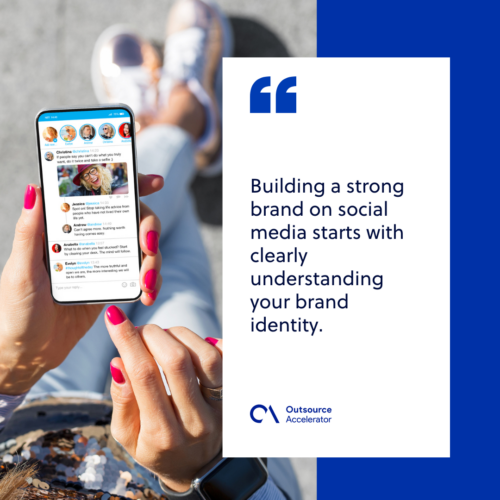
A strong brand on social media starts with a clear brand identity. So begin by defining your values, mission, and unique selling point.
Next, think about your target audience and what sets you apart from rivals. Your brand identity should match your business goals and connect with your ideal customers. For more on this, explore these types of brand strategy.
In addition, craft a brand story that shares your values and connects with people on an emotional level.
Branding agencies can help you with this step. For example, investing in a professional web design and branding agency may save you time and money in the long run. It can also save you from costly mistakes.
Branding agencies help you get a solid grasp of your brand identity and turn it into a strong online presence. As a result, they build consistent visual elements, such as logos, color schemes, and fonts, to create one clear brand image across platforms.
Choosing the right social media platforms
Not all social media platforms are equal. Each one has its own strengths and user base.
So to build a strong brand, pick the platforms that match your audience and goals. First, do some research on the demographics, engagement patterns, and content tastes of users on each platform.
Then focus your effort where your audience is most active. For instance, if you target a younger crowd, Instagram or TikTok may work best.
Meanwhile, if your brand serves professionals, LinkedIn can help you build thought leadership.
By choosing the right platforms, you use your resources well and boost your brand’s visibility. If the workload grows, you can also outsource your social media management to a specialist team.
Content strategy and engagement
Content sits at the heart of social media branding. So build a clear content strategy that fits your brand identity and speaks to your audience.
Next, create a mix of engaging, shareable content. For example, use helpful articles, strong images, videos, user posts, and interactive polls or quizzes. A few trusted social media management tools make this far easier to plan and schedule.
Consistency is key when you post. So set a regular schedule to keep a steady presence and engage your audience.
Further, track and review how your content performs. This shows you what works for your audience.
In particular, watch engagement metrics such as likes, comments, and shares. As a result, you can refine your strategy and create content that drives brand awareness and real connection.
Building an authentic community
Social media lets you grow a community around your brand. So focus on genuine ties and engage with people on a personal level.
For example, reply quickly to comments and messages. This shows you value their input and are committed to excellent customer service.
In addition, encourage user posts and testimonials to extend your reach and credibility. You can also host contests, giveaways, or challenges to spark active participation and a sense of belonging.
By building an engaged community, you turn followers into advocates. In turn, they champion your brand and help spread your message.
Delve into influencer marketing and partnerships
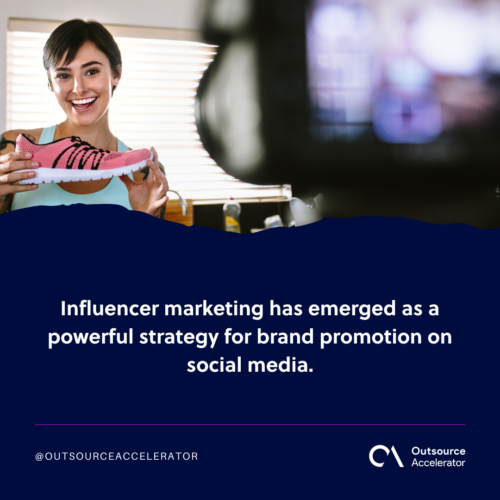
Influencer marketing has become a powerful way to promote a brand on social media.
When you work with influencers who share your values and audience, you reach more people and build trust. So start by finding influencers who fit your industry.
From there, build genuine partnerships. Let them show your products or services in a real, relatable way.
Besides influencers, consider partnerships with brands or groups that share your values or audience.
As a result, joint campaigns can create buzz, widen your reach, and drive cross-promotion that benefits everyone involved.
Measuring success in social media
To judge your social media branding, set key performance indicators (KPIs). Then monitor and review the right metrics on a regular basis.
In particular, track metrics such as:
- Follower growth
- Engagement rate
- Website traffic
- Conversions, and
- Brand sentiment
Based on that data, refine your social media strategies to improve results. For example, experiment with different types of content, posting times, and engagement tactics. This shows what works best for your audience.
Social media is a fast-moving space. So stay agile and adapt to trends and shifting customer tastes. As a result, your brand stays relevant and strong. If the work gets heavy, social media outsourcing can keep output steady.
In short, strong social media strategies are key to a memorable brand. By following the steps above, you unlock the power of social media to boost your brand visibility.
Remember, success takes patience, consistency, and a genuine commitment to your audience. With the right strategies, your brand can thrive online and stand out from competitors.
Frequently asked questions about social media strategies
How many social media platforms should a small brand use?
Start with one or two where your audience is active. It is better to post well on a few than to spread thin across many. As you grow, you can add platforms with care.
How often should a brand post on social media?
Consistency matters more than volume. Many brands post a few times a week per platform. So set a schedule you can keep, then adjust based on what your engagement data shows.
What is the first step in building a social media strategy?
Begin with a clear brand identity and goals. Once you know your values, voice, and audience, every other choice gets easier. For a primer, review the basics of social media marketing.
Is influencer marketing worth it for small businesses?
Yes, when the fit is right. Micro-influencers often cost less and reach a loyal, niche audience. So pick partners who share your values, not just those with big follower counts.
How do I measure social media success?
Track KPIs such as follower growth, engagement rate, website traffic, conversions, and brand sentiment. Review them often. Then use the data to refine your content and posting plan.






 Independent






