
What makes a good recruiter: 10 premier qualities to look for


What makes a good recruiter?
A good recruiter blends strong communication, deep role knowledge, proactive sourcing, sound judgment, and a data-driven approach to hire the right people fast.
- Great recruiters build trust with candidates and hiring teams alike.
- They source ahead of need and keep a bench of ready talent.
- They track hiring metrics and adapt quickly when needs shift.
Finding skilled recruiters is still one of the hardest tasks many companies face. According to a Recruiters Lineup report, 72% of employers struggle to find qualified candidates. In addition, 74% of recruiters report delays from long time-to-hire processes that cost them key talent.
A skilled recruiter can drive growth, lift retention, and sharpen your talent strategy. Still, finding that person is not easy. So this guide breaks down what makes a good recruiter. It also covers the ten core traits every company should look for. These common recruitment challenges make the right hire matter even more.
Primary responsibilities of a recruiter
Recruiters help shape a company’s workforce. Their work goes beyond filling openings. Instead, they connect the right talent with the right roles.

Below are the core duties every recruiter handles to support the business and its people:
Understanding hiring needs
Recruiters start by meeting with hiring managers to clarify the job. They gather details on the role, the team, and the skills needed. Then they build an accurate candidate profile.
Writing and posting job descriptions
Next, they write clear job posts that reflect the role and draw strong applicants. They share these listings on job boards, company sites, and social media. As a result, each role reaches a wider audience.
Sourcing candidates
Active sourcing is another key duty. Recruiters use databases, LinkedIn, referrals, and events to build a talent pipeline. Often, they do this even before a role opens. Strong talent acquisition habits keep that pipeline full.
Screening applicants
Once applications arrive, recruiters review resumes and run phone screens. They check skills and fit against the job. So their goal is a shortlist that closely matches the role.
Coordinating interviews
Recruiters also schedule and run interviews between candidates and hiring teams. Also, they handle logistics and set clear expectations. Because of this, the process stays smooth from start to finish.
Managing offers and negotiations
When a candidate is chosen, the recruiter presents the offer and leads talks. They align the company and the candidate on terms. The aim is a good result for both sides.
Maintaining candidate relationships
Finally, recruiters stay in touch with past applicants and future prospects. These ties help fill roles faster. They also build a stronger employer brand over time.
What makes a good recruiter: 10 Qualities to look for
A good recruiter can be the difference between a high-performing team and losing top people to rivals. Many firms focus on hiring fast. However, the real value lies in recruiters who consistently attract, assess, and secure the right talent. Recent recruitment statistics back this up. So what makes a good recruiter? Here are the top ten qualities to look for.
1. Strong communication skills
Good recruiters know how to listen and speak clearly. For example, they engage candidates with confidence and give clear feedback. They also keep hiring managers in the loop. As a result, their communication shapes the whole candidate experience.
2. Deep understanding of the role
A good recruiter does not just skim a job description. Instead, they dig deep. For example, they learn the technical needs, the team setup, and the business goals. So they can spot talent that fits the job and the company culture.
3. Relationship-building ability
Recruiters must earn trust fast. Whether with passive candidates, hiring managers, or partners, the best build lasting ties. Because of this, they often win faster hires and stronger referrals.
4. Proactive sourcing skills
Top recruiters do not wait for applicants. Instead, they search for talent on LinkedIn, job boards, and at events. They also keep a bench of qualified people ready for future roles.
5. Adaptability
Hiring needs shift often. Great recruiters stay flexible when roles, expectations, or timelines change. So they keep the process moving forward. Watching current hiring trends helps them adjust early.
6. Strong judgment
Good recruiters weigh more than resumes. For example, they assess potential, soft skills, fit, and long-term value. As a result, they help companies dodge costly hiring mistakes.
7. Data-driven approach
Elite recruiters track time-to-hire, candidate conversion rates, and sourcing results. Then they use this data to fix bottlenecks and sharpen their plan. So an analytical mindset leads to smarter, faster decisions.
8. Negotiation skills
Pay talks can get tricky. Great recruiters handle offers with honesty and tact. In addition, they match candidate hopes with company budgets and keep both sides happy. In turn, strong closing cuts dropouts and lifts offer acceptance rates.
9. Emotional intelligence
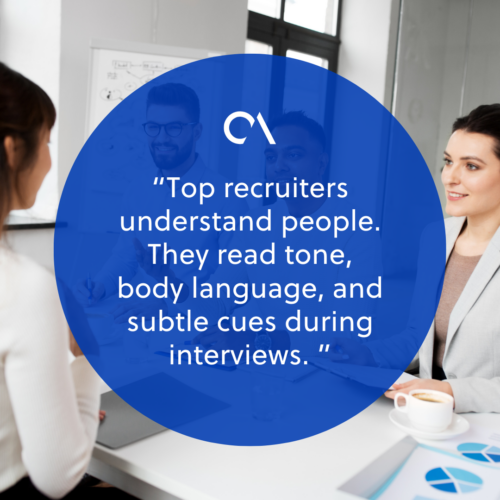
Top recruiters understand people. For example, they read tone, body language, and small cues in interviews. Because of this, they connect better and solve concerns early.
10. Strong work ethic
Recruiting is not a 9-to-5 job. Instead, it takes drive, focus, and extra effort. Reliable recruiters follow up and follow through. So strong candidates never slip through the cracks. They also stay steady under pressure and meet tight deadlines.
Final verdict: What makes a good recruiter worth hiring
Recruiting is both an art and a science. When companies know what makes a good recruiter, they boost their odds of a great hire. Seasoned recruiters communicate clearly, adapt fast, and deliver results. They also source talent, build trust, and manage complex stages with ease.
So when companies hire recruiters with these qualities, they gain a long-term talent partner. For some firms, recruitment process outsourcing offers another path to that skill. In the end, the right recruiter means stronger teams, faster hiring, and a better candidate experience.
Frequently asked questions
What skills matter most for a recruiter?
First, communication tops the list. Strong recruiters also bring sound judgment, sourcing skill, and empathy. Together, these traits help them hire the right people fast.
How do you measure a recruiter’s performance?
First, track clear metrics like time-to-hire and offer acceptance. Also watch quality of hire and candidate conversion rates. These numbers show how well a recruiter really works.
What is the difference between a recruiter and a hiring manager?
A recruiter finds and screens candidates for many roles. A hiring manager owns the open role and makes the final call. So the two work closely but hold different jobs.
Should companies outsource recruitment?
It depends on your needs. Outsourcing can speed up hiring and widen your talent reach. For fast-growing firms, it often frees internal teams to focus on core work.
How can a recruiter improve candidate experience?
Clear and quick communication helps most. Recruiters should set expectations and share timely updates. A smooth, respectful process then keeps strong candidates engaged.






 Independent






