
What is voice analytics?


Businesses would be nothing without their customers. So it is only right to give them the best experience you can. However, that can be hard at times. Every customer is different, and a tactic that works for one may fail with another. This is where voice analytics can help.
What is voice analytics?
Voice analytics is the use of technology to record, transcribe, and analyze spoken conversations, so companies can read customer emotion and intent at scale.
- It turns calls into text you can search and review.
- It flags tone, pauses, and mood, not just words.
- It helps teams improve service, sales, and training.
Read on to learn how voice analytics works, how it differs from speech analytics, and the many jobs it can do.
Voice analytics explained
Voice analytics is the process of using technology to analyze spoken talks. The tools record calls and can transcribe them into text right away. In addition, they can read a caller’s emotions from their speech patterns.
How does voice analytics work?
Voice analytics works by studying a speaker’s voice. The tools have three main parts: natural language processing, intent classification, and analytics. First, natural language processing (NLP) reads the spoken words and finds key terms.
Next, intent classification uses smart algorithms to grasp what the caller truly means. Finally, analytics give insight into each call, such as pauses, tone, and other cues. These can point to customer joy or frustration. So the system compares spoken words against a database of common phrases and keywords. This is close to how sentiment analysis reads the mood behind a message.
Voice analytics vs. speech analytics: Key differences
To put it simply, voice analysis studies voices and words in a spoken talk. On the other hand, speech analytics software focuses only on the actual words. Unlike voice analysis, it ignores tone, volume, pitch, and other cues.
Speech analytics cares most about recording and transcribing words. So agents and supervisors use it to sort and find keywords across many calls. Meanwhile, broader conversation intelligence tools blend both views for a fuller picture.
The importance of voice analytics
Many industries now use voice analytics, from insurance to healthcare and finance. Still, the area that gains most is customer service. With these tools, firms can spot vital, once-hidden insight about customer conversion. As a result, they can even fix problems before they arise.
Voice analytics can also show the winning habits of top agents. So supervisors can coach the rest to copy them. On the other hand, the tools flag habits that upset customers. Because of this, supervisors can advise against them. These call center analytics benefits add up fast across a busy team.
Voice analytics use cases
Below is a list of jobs voice analytics can do.
1. Market research
It can be hard to stand in your customers’ shoes. So this gap is risky, since you cannot sell well without it. How do your customers talk? What features do they still want? What do they love most? For example, the answers may hide in your recorded calls. Voice analysis is a great voice of the customer method. As a result, you and your team can sharpen your marketing and reach more buyers.
2. Assessing agent performance
Besides customer satisfaction rating (CSAT), few tools make agent review easy. However, voice analytics gives you a better way. Since calls become text fast, you can search for key terms. For example, look for thanks like “thank you so much.” If a customer says it often, they likely find their agent helpful.
Another asset is the emotion-reading feature. It can tell you if an agent hurts a customer’s mood. By reading the dialogue too, you can find the exact line that tipped things off. So the agent can avoid that mistake next time.
3. Useful feedback
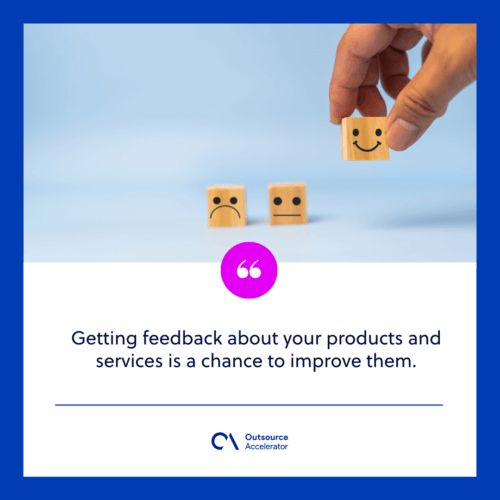
Feedback is always useful, whether good or bad. So take each chance to improve your products and service. Some customers call just to vent about a poor experience. Use that input to fix repeat complaints. In addition, some customers have no social media and can only reach your customer service by phone. This makes recorded feedback even more valuable.
4. Insight for improved employee training
It is smart to update your agent training curriculum now and then. For example, new trends, better tools, or outdated tips may call for a refresh. So voice analytics can guide that update. By reviewing real calls, you can spot bad habits in your staff. These may be self-taught or a gap in old training. Whatever the cause, the data helps you rebuild customer service training that works.
5. Checking regulatory compliance
It is important to ensure regulatory compliance on every call. So voice analytics helps here too. As a result, you can catch compliance issues and fix them before they become a real threat.
The benefits of using voice analytics
With voice analytics, your company can enjoy real gains, including these.
1. Cost-effective
The tools help you find weak spots and fix them. So you save money over time. Resolution calls get shorter, which lets more customers get through. In addition, faster training updates cut wasted spend on retraining. So investing in voice analytics beats letting waste continue.
2. Improved customer service
Voice analytics lets agents read a customer’s mood in real time. So they know if they help or hurt during the call. This tells them what to do next. For example, if a customer sounds annoyed, they can shift their tone fast. In addition, this input builds a better customer experience (CX).
3. Optimizing the sales process
You can also use voice analytics to sharpen your sales process. So study your calls and find what winning ones share. Also note what agents say that pushes buyers away. As a result, you can make each pitch clearer and more convincing.
4. Understand customers better
As noted, voice analytics helps you know your customers. So learn their pain points, see what pleases them, and spot what they miss. In the end, deeper understanding gives customers a better experience. So it is a win for everyone.
5. Competitive intelligence
Voice analysis helps you get ahead of rivals. By studying customer talks, you find insight others have not seen yet. As a result, you can act on it first.
6. Keyword organization
The tools help you track key terms, such as products, rival names, or pricing. So you can group keywords and filter topics with ease. At a glance, you can see which calls matter most.
Utilize voice analytics to your advantage
Adapting to new tools and trends is a vital trait for any business leader. So skipping voice analytics now can leave you behind. The tools may feel hard to set up, especially in a long-established firm. However, the many uses and gains above show that they pay off. So use voice analytics to lift your customer experience, improve training, and gain an edge over rivals.
Frequently asked questions about voice analytics
What is the difference between voice analytics and speech analytics?
Voice analytics studies both words and vocal cues like tone and pitch. Speech analytics looks only at the words spoken. So voice analytics reads more of the emotion behind a call.
Which industries use voice analytics most?
Insurance, healthcare, finance, and retail all use it widely. Contact centers rely on it heavily too. Because of this, any firm with high call volume can benefit.
Does voice analytics work in real time?
Yes, many tools score calls as they happen. So agents can adjust their tone mid-call. In addition, supervisors can step in when a call goes wrong.
Is voice analytics hard to set up?
It can take effort in an older, set-in-its-ways company. Still, most modern tools connect to your call systems. So the setup is easier than it once was.
How does voice analytics improve training?
It shows the real habits behind good and bad calls. First, you spot the gaps. Next, you update your curriculum to close them. As a result, agents learn faster from real examples.






 Independent





