
Telework vs telecommute: Understanding the differences, pros, and cons


What is the difference between telework vs telecommute?
In telework vs telecommute, telework is any work done outside the office. Telecommute, though, uses technology to work off-site and cut the daily commute.
The two terms overlap a lot, but they are not the same. Here is the quick view:
- Telework is a broad term for all remote work.
- Telecommute focuses on cutting the daily commute.
- Both help staff work well outside the main office.
Telework and telecommute have grown popular as remote work spread. Both share many of the same traits.
Many professionals still look for the best setup for their needs. As a result, people often mix up the two terms. So this article breaks down each one, plus their pros and cons.
What is the difference between teleworking and telecommuting?
Both terms have been in use across many industries for decades. Still, people often use them to mean the same thing.
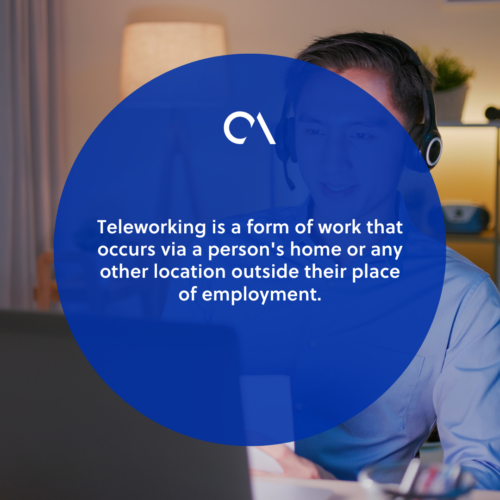
The two words are close, but there are subtle differences. Teleworking is work done from home or any spot outside the office. In fact, it often acts as an umbrella term for all remote work.[1]
For example, OECD research on telework found that large firms often adopt it faster than small ones. So company size can shape how common telework becomes.
On the other hand, telecommuting does not always mean working at home. It means using telecommunications systems[2] to work away from the office, such as in the field.
With telecommuting, the remote spot should cut an employee’s normal commute. For example, teleworking can mean working in the same building but not at the same time. Telecommuting, though, means working from a different building.
Knowing the telework vs telecommute difference helps owners a lot. As a result, they can build smarter communication plans around each setup. A clear remote work adoption plan makes this even easier.
Telework vs telecommute: Pros and cons
Telework and telecommute both help staff work well from afar. So here are their main pros and cons.
Pros of telework and telecommuting
Below are some of the top perks of telework and telecommuting.
Promote work-life balance
With these setups, staff can plan their own hours. As a result, they gain a better work-life balance.
When people control their schedules, they choose when to take calls or meetings. So they set their own hours instead of following office rules.
This also lets them focus on key tasks with fewer distractions. In addition, it cuts the stress of daily office “face time” that adds little value. Many teams pair this with a flexible work policy.
Saving time and money
With telecommuting, staff skip high travel and commute costs. So it can save a lot of time and money versus a daily drive or transit trip.
On top of that, remote spots often lift staff satisfaction. As a result, people feel happier than they would in a daily office grind.
Foster productivity
Remote staff can spend more time on tasks that need focus. So it can help increase productivity.
When people work remotely, they often work longer hours. Because of this, they face fewer office distractions while they work.
A study by Ergotron found that 40% of remote employees are more productive than their peers. In part, this is because they put in longer hours. For more tips, see how to boost remote employee productivity.
Enhances efficiency
Staff who telework or telecommute tend to be more productive. As a result, they often make fewer mistakes.
In short, it saves time and money for both sides. So people can finish key daily tasks without traffic jams or office noise.
Work independently
One of the biggest perks is that staff need not report to the office daily. So they gain more freedom in how they plan their days.
Working from home also adds flexibility for meetings with coworkers and clients. As a result, scheduling gets much easier.

Cons of telework and telecommuting
These setups have great perks, but they also have a few downsides.
Leads to isolation
One drawback is isolation for staff. Working remotely can be isolating , especially with no coworkers nearby.
Teams miss the daily contact with colleagues and clients. Still, that contact helps build trust and keep people current. So without it, trust takes longer to grow in a virtual setup. Strong remote collaboration habits can close this gap.
Lack of collaboration between work teams
Remote staff are often split from their colleagues. So they may lack shared tools like printing stations or meeting rooms.
In addition, this can raise isolation and lower morale among employees who miss regular contact.
Increases security risks
Security is a major concern when staff work remotely. In fact, they face more various security risks, such as phishing, malware, and social engineering scams.
Influences the work culture
Rather than talk face-to-face, remote staff rely on email and chat. So issues can surface more slowly.
As a result, this can lead to mix-ups and frustration. For example, some people may not feel at ease raising touchy topics by email.
Streamline your business through teleworking and telecommuting
Telework vs telecommute are both remote work methods. Each has its perks and its drawbacks.
Still, knowing the difference helps you pick the best fit for your firm. Both setups help businesses in many ways. In fact, they are now core to most modern work models. For context, see the latest work-from-home statistics.
That said, teleworking and telecommuting boost productivity and staff satisfaction. As a result, they help drive real business success.
Frequently asked questions about telework vs telecommute
Is telework the same as telecommute?
No, they are close but not identical. Telework is a broad term for all remote work. Telecommute focuses on cutting the daily commute with technology.
What are the main benefits of telework and telecommute?
Both save time and money on commuting. They also lift productivity and work-life balance. As a result, many staff feel happier and more focused.
What are the biggest drawbacks?
The main drawbacks are isolation and weaker teamwork. Security risks also rise when staff work off-site. So firms need clear rules and good tools.
Which setup is better for my business?
It depends on your work and your team. Telework suits roles that need deep focus. Telecommute suits staff who mainly want to skip the commute.
Key takeaways
- Telework covers all remote work, while telecommute cuts the daily commute.
- Both setups save time, save money, and often lift productivity.
- The main downsides are isolation, weaker teamwork, and security risks.
- Clear communication and tools help firms get the most from each setup.
- The best choice depends on the role and the team’s needs.
Article References:
[2] Telecommunication system. Khujamatov, Kh.E., Khasanov, D.T. and Reypnazarov, E.N. (2019). Research and Modelling Adaptive Management of Hybrid Power Supply Systems for Object Telecommunications based on IoT. [online]






 Independent





