
Addressing the top 5 remote staffing challenges

As businesses grow, the talent gap is one of the toughest hurdles they face. So remote staffing challenges often appear fast once a company hires across borders. However, every one of them is fixable. In this guide, we break down the main problems and show how to solve them, with help from Clark Staff.
What are the main remote staffing challenges?
The main remote staffing challenges are communication gaps, weak collaboration, hard-to-track productivity, culture drift, and legal compliance across regions.
- Time zones and the wrong tools can slow clear communication.
- Distance can weaken teamwork and company culture.
- Different countries bring tricky tax and labor rules.
Still, none of these should stop you. First, let us look at why remote staffing is now a mainstream choice. Next, we will work through the five hurdles one by one.
Remote staffing in this day and age
Remote staffing has grown into a mainstream business practice. However, it did not happen by accident. New technology and shifting worker expectations both drive the trend. Because of this, more firms now hire talent far beyond their home city.
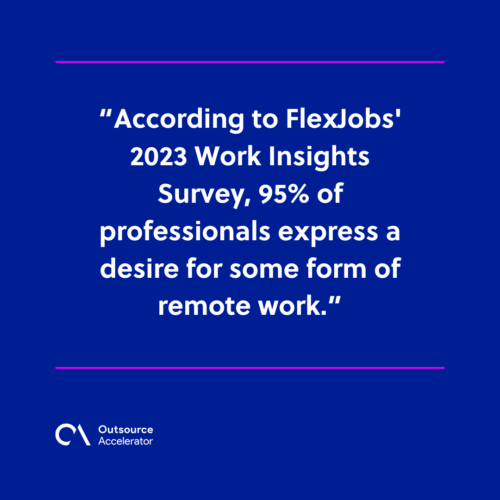
For example, FlexJobs’ 2023 Work Insights Survey found that 95% of professionals want some form of remote work. The appeal is clear. So remote work offers better work-life balance and also cuts commuting time.
As a result, companies are no longer boxed in by location when they hire. In addition, this helps them close the skills shortage many local markets face. In short, remote staffing is an easy way to scale a modern workforce.
Meanwhile, firms can take full advantage of:
- Access to global talent
- Reduced overhead costs
- Increased employee satisfaction
With video calls, project software, and chat tools, teams work well across the world. However, this setup also brings unique hurdles. So the next section covers them in detail.
5 ways to overcome remote staffing challenges
Here are five ways businesses can handle common remote staffing challenges. As a bonus, each fix is simple and proven to work.
1. Communication barriers
Remote teams often struggle to keep communication clear. Meanwhile, time zones make it worse. As a result, missed messages and mix-ups can slow the work down.
So to fix this, firms can use tools like Slack, Zoom, and Microsoft Teams. In fact, the right remote work tools keep everyone on the same page. In addition, set clear rules for response times. For important talks, video calls work best.
2. Maintaining team collaboration
Remote work can feel isolating. As a result, teamwork and new ideas may suffer. So keeping people engaged takes real effort.
To build collaboration, first use shared spaces for work and brainstorming. In addition, hold regular check-ins and virtual idea sessions. Because of this, strong employee engagement keeps dispersed teams connected. Meanwhile, Clark Staff matches companies with offshore talent who thrive in team settings.
3. Managing productivity and accountability
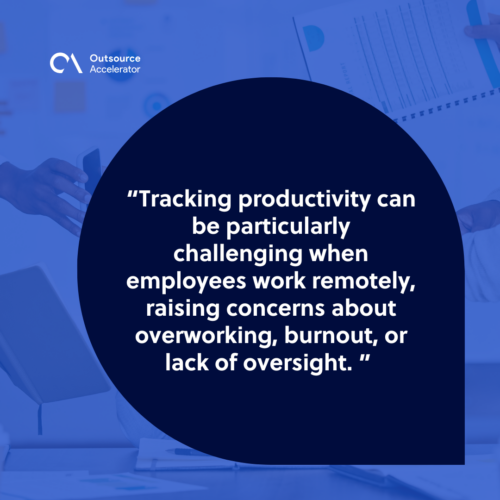
Tracking output is harder when staff work from home. Meanwhile, worries about burnout and weak oversight can grow. So aim for clear results, not constant monitoring.
In practice, the key to remote productivity is:
- Setting clear goals
- Using time-tracking tools
- Setting key performance indicators (KPIs) to measure progress
For example, Clark Staff helps firms find results-driven remote workers who own their work. As a result, you keep output high without micromanaging. Still, avoiding common remote team mistakes also protects morale.
4. Maintaining company culture
Building a shared culture with remote teams is often the biggest hurdle. For example, dispersed staff can drift from company values and mission. So leaders must be intentional about connection.
To address this, first invest in regular virtual team-building, celebrations, and casual chats. As a result, these promote a sense of belonging. In addition, write down your values and repeat them in all remote communication. Meanwhile, good remote team management habits keep everyone aligned. Because of this, Clark Staff helps onboard teams that fit the culture even from afar.
5. Legal and compliance issues
Managing a team across regions brings complex legal issues. For example, these include tax laws, labor rules, and local employment risks. Because of this, small mistakes can get costly fast.
So to lower the risk, work with legal experts on global staffing rules. Meanwhile, Clark Staff brings an international reach and deep local know-how. As a result, firms stay compliant while managing remote teams with ease.
Beat remote staffing challenges with Clark Staff
Remote staffing does not have to be a source of stress. For a start, Clark Staff gives companies the support they need. In addition, it offers tailored solutions and deep skill in remote workforce management.
So build high-performing remote teams that drive long-term success as you partner with Clark Staff. Contact Clark Staff today and take on remote staffing challenges head-on.
Frequently asked questions
What is remote staffing?
Remote staffing is the practice of hiring workers who do their jobs from another location. Often they sit in another city or country. So this model lets firms tap a wider talent pool without a local office.
Why do companies turn to remote staffing?
First, companies use remote staffing to reach skilled people they cannot find at home. In addition, it lowers overhead and office costs. On top of that, many workers prefer the flexibility, so it helps with hiring and retention.
How do you keep remote staff productive?
First, set clear goals and track progress with KPIs rather than watching hours. Next, use simple time-tracking and project tools for visibility. Still, trust matters most, so focus on results, not activity.
Is remote staffing hard to manage across time zones?
It can be at first. However, good habits make it smooth. For example, agree on core overlap hours and clear response times. In addition, record key meetings so no one misses important updates.
How does a provider like Clark Staff help?
First, Clark Staff handles sourcing, onboarding, and local compliance for you. Meanwhile, it matches your firm with vetted offshore talent who fit your culture. As a result, you skip much of the setup work and start scaling sooner.






 Independent






