
The importance of an omnichannel approach in customer engagement

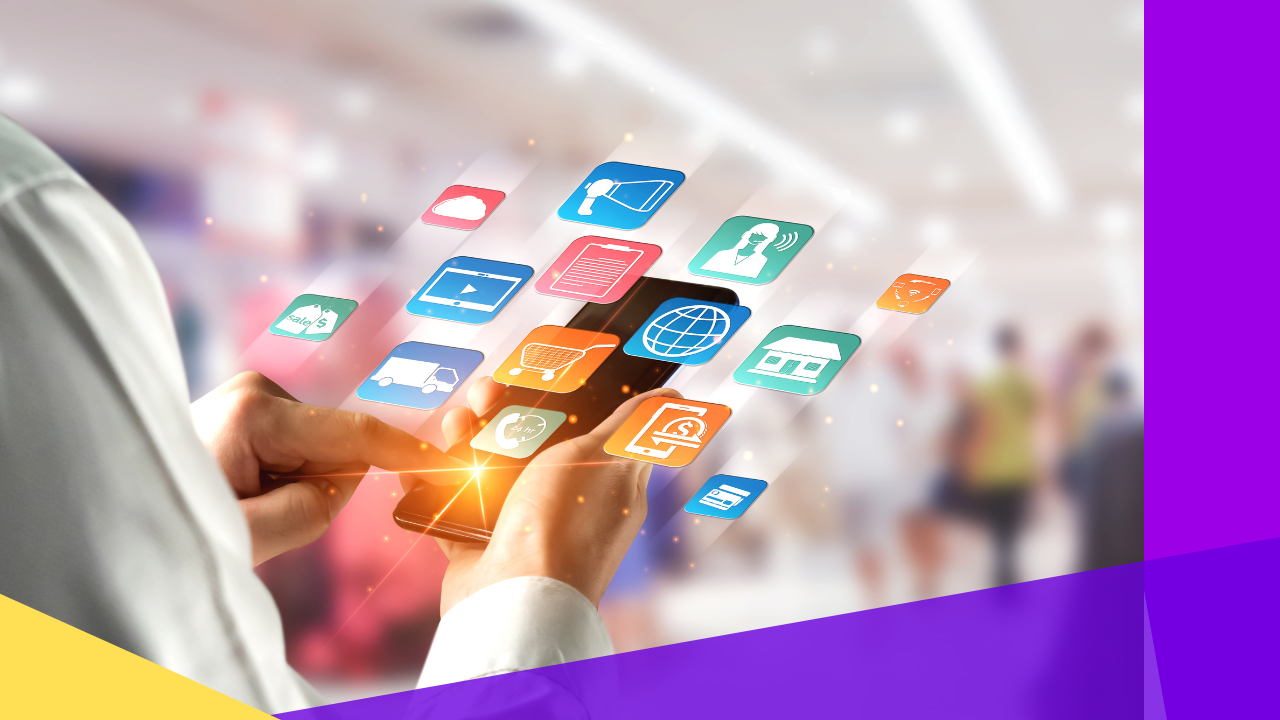
Why does an omnichannel approach matter in customer engagement?
An omnichannel approach matters because it gives customers one smooth, connected experience across every channel they use, which builds trust, loyalty, and repeat business.
- It links phone, chat, email, social media, apps, and your website into one journey.
- Customers never have to repeat themselves when they switch channels.
- Because of this, brands see higher satisfaction, stronger loyalty, and more sales.
Have you ever switched between your phone, laptop, and social media to reach a brand? That smooth experience you want, where your questions get answered on every channel, is the heart of omnichannel customer engagement.
Today, people expect businesses to be easy to reach on all platforms. So they move from websites to apps to social media and expect quick replies each time. This article explains why an omnichannel approach is so important. In addition, it shows how the model helps brands connect with their audience and build lasting ties.
Understanding the omnichannel approach
The omnichannel approach is a customer-first strategy. It gives people a smooth, joined-up experience across many channels and touchpoints. The goal is simple. It unifies every channel, online or offline, into one clear and steady customer journey.
With this model, a customer can start on one channel and move to another with no friction. For example, they might ask a question on social media and finish the chat by phone. As a result, the brand meets people where they already are. It also offers one unified experience no matter which channel they pick.
So by joining channels and keeping service steady, businesses lift customer satisfaction, loyalty, and engagement. Still, the aim is always the same: make each step feel easy.
6 benefits of an omnichannel approach
An omnichannel approach brings clear gains for both the business and the customer. Here are six of the biggest ones.
1. Improved customer satisfaction and loyalty
This approach helps brands give steady, personal, and simple service across all touchpoints. As a result, people are happier with each visit. When customers can reach a brand on their favorite channel with no breaks, they tend to stay.
2. Enhanced personalization
An omnichannel model pulls data from many channels into one view. So the brand learns what each customer likes and how they behave. Because of this, teams can tailor messages and offers. In turn, customers feel valued, and their loyalty grows.
3. Increased efficiency in customer service delivery
Omnichannel tools support service in real time through social media, chat, or phone. For faster help, many brands add live chat support to the mix. Meanwhile, customers do not have to repeat themselves. As a result, teams fix issues faster and with less effort.
4. Greater brand visibility
More channels mean more chances to meet customers and build a strong brand presence. So the more places a brand shows up, the more it can share its values, services, and products.
5. Improved sales and revenue
A smooth, hassle-free experience makes a purchase more likely. It also cuts the risk of cart abandonment. As a result, this often leads to higher sales and revenue.
6. Competitive advantage
Brands that go omnichannel stand out from rivals. When the journey feels steady across channels, people are more likely to recommend the brand. In turn, that word of mouth gives the business a free publicity boost and stronger customer retention.
OP360’s omnichannel support
OP360’s omnichannel support helps brands rethink customer engagement. It joins many channels and touchpoints into one strong experience. In short, the firm works to lift satisfaction, drive loyalty, and boost efficiency.
With OP360’s omnichannel support, customers can reach a business with ease on every platform. The team uses smart tools and joined-up data. As a result, people get a personal and steady experience that raises the bar. A clear customer experience strategy ties it all together. So this approach can help you unlock the full value of each customer interaction and grow your business in the digital age.
Frequently asked questions
What is the difference between omnichannel and multichannel?
Multichannel means a brand is simply present on many channels. Each one often works on its own. Omnichannel goes further. It links every channel so data and context follow the customer from one to the next. As a result, the journey feels like one conversation, not many separate ones.
Which channels should an omnichannel strategy include?
Start with the channels your customers already use most. For many brands, that means phone, email, live chat, social media, and a mobile app. Next, add messaging apps or self-service tools if demand is there. The key is to connect them, not just add more.
How do you measure omnichannel success?
Track a few clear signals. Watch customer satisfaction scores, repeat purchase rates, and first-contact resolution. Also check how often people switch channels without having to repeat themselves. Over time, these numbers show whether the journey really feels seamless.
Is an omnichannel approach only for large companies?
No. Small and mid-sized firms can start small and still win. For example, you can connect a shared inbox, a chat tool, and your social accounts first. Then you can grow the stack as your needs grow. Many firms also outsource this work to a specialist partner to move faster.






 Independent






