
Meeting fatigue: Causes and prevention tips

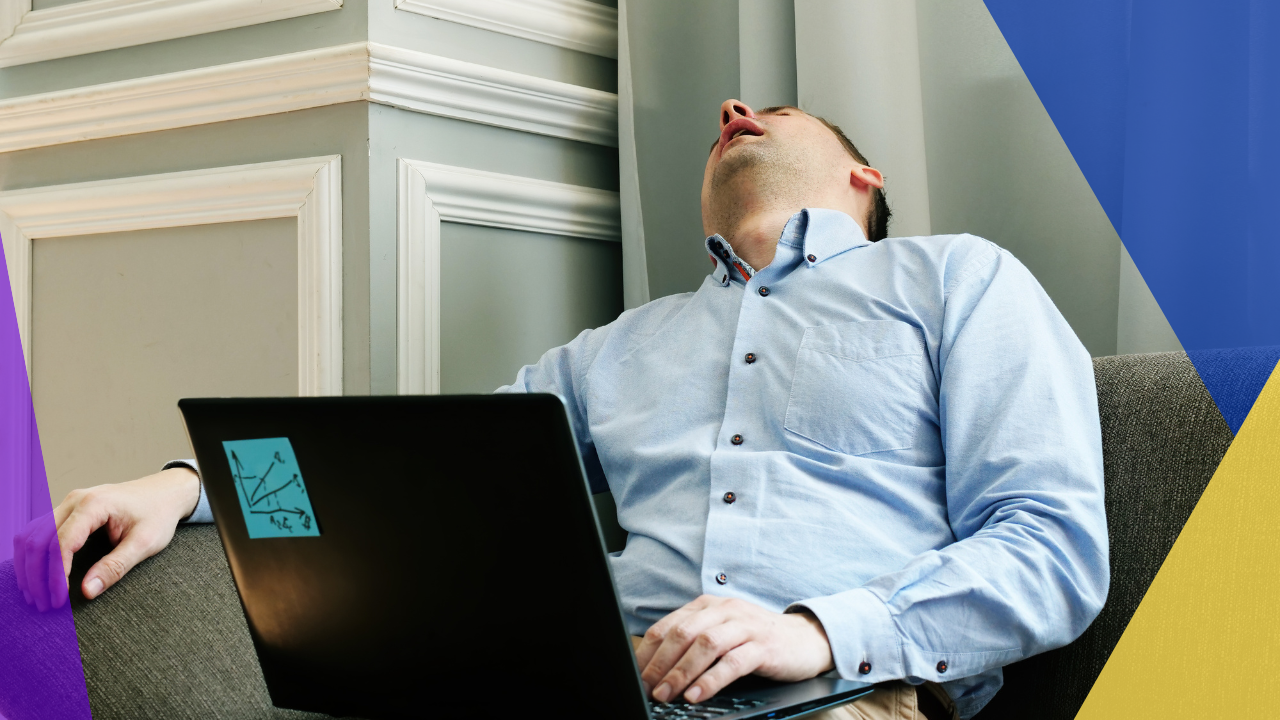
What is meeting fatigue and how do you stop it?
Meeting fatigue is the mental and physical burnout people feel from too many meetings, and you can stop it with shorter, well-run sessions, regular breaks, and clear agendas.
- It builds up when back-to-back meetings drain your focus and energy.
- It shows up as tiredness, headaches, irritability, and lost attention.
- You can prevent it with shorter meetings, breaks, and interaction.
Today, meetings are a core part of work, both in person and online. Still, too many meetings can leave you drained and less productive.
Zippia’s study shows that 45% of employees feel overwhelmed by the number of meetings they attend. As a result, meeting fatigue can spread across a team. Fortunately, you can fight this problem within your staff.
In this article, we explain the causes of meeting fatigue. In addition, we share simple tips to prevent it and protect your team’s workplace productivity.
What is meeting fatigue?
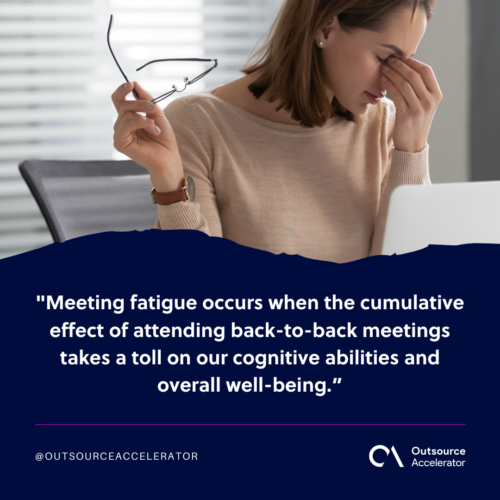
Meeting fatigue is the mental and physical tiredness you feel from too many meetings. It builds up when back-to-back sessions wear down your focus and well-being.
The cause is often simple. For example, constant information overload and long spells of sitting both add to the strain.
Teams can feel it in person too. Still, it links more often to virtual meetings. This is why people also call it “Zoom fatigue.” To ease the load, some teams rotate through Zoom alternatives for video calls.
Causes of meeting fatigue
Many factors tied to constant meetings cause meeting fatigue. Here are the main ones.
Overstimulation
Overstimulation is a top cause of meeting fatigue. In each meeting, people face a flood of details, ideas, and choices.
This constant input takes a toll. So the stream of information, slides, and talks can overwhelm the brain. As a result, it leads to mental exhaustion.
Communication issues
Communication issues also add to meeting fatigue. Poorly run meetings often bring unclear steps, mixed messages, and wasted time on side topics.
When communication falls short, frustration grows. So people spend more mental effort and feel drained fast.
Physical stress
Long spells of sitting hurt your body too. For example, they can cause muscle tension, poor blood flow, and discomfort.
This physical strain feeds mental fatigue. As a result, it gets harder to stay focused and engaged.
Warning signs of meeting fatigue
To beat meeting fatigue, you must first spot the warning signs. When you catch them early, you can act before fatigue sets in. Here are some common signs.
Exhaustion
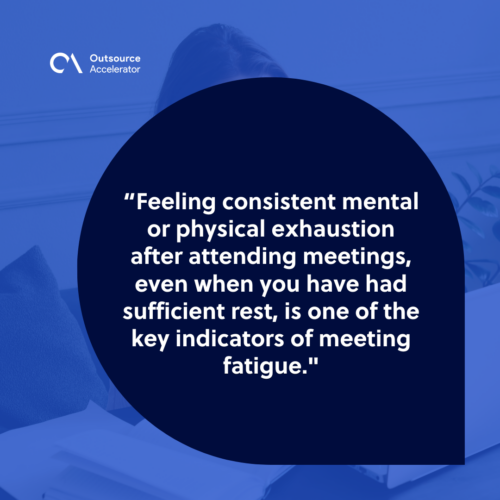
For example, constant tiredness after meetings is a key sign, even when you have rested well. So if your energy drops after each meeting, pay close attention to this signal.
Headaches
Frequent headaches during or after meetings can point to fatigue. As the brain overloads with information and constant focus, it can trigger headaches or migraines.
Irritability
Meeting fatigue can also show up as irritability. As a result, you may feel annoyed or impatient in meetings. So this reaction can be a clear sign of fatigue.
Absentmindedness
Trouble focusing and frequent lapses in attention can signal meeting fatigue. When your mind drifts, it gets hard to absorb information. This gets worse when you multitask during meetings.
Depression
Long-term meeting fatigue can affect mental health. For example, it may lead to low mood or disillusionment. So address these feelings if you often feel dread or low drive before meetings.
How to prevent meeting fatigue
Fortunately, you can use several simple steps to prevent meeting fatigue. As a result, your meetings become more productive and energizing.
Limit your meeting length
One of the best fixes is to keep meetings short. So choose brief, focused sessions instead of long ones.
Always set a meeting agenda to organize your points. With clear time limits, your talks stay concise and on topic.
Be as interactive as possible
Active input during meetings helps fight fatigue. So build a space where everyone feels safe to share ideas.
Discussion and collaboration keep people involved. For example, shared online collaboration tools and employee engagement tools can raise input and cut fatigue.
Take breaks
Regular breaks in longer meetings ease strain. So people can stretch, move, and recharge. As a result, focus and engagement improve.
Encourage routine creation
A clear routine around meetings can cut fatigue a lot. For example, use standard agendas, clear goals, and set roles. This streamlines the process and reduces stress and confusion.
Seek help if needed
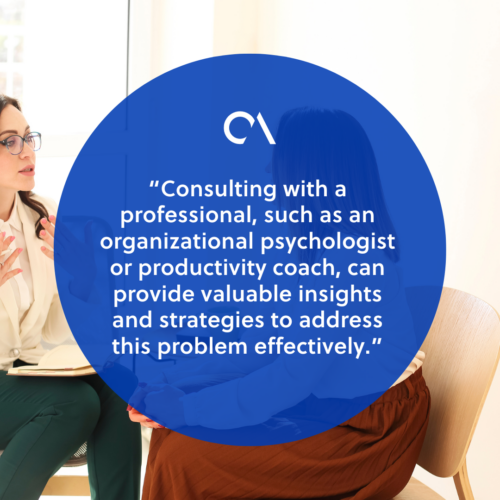
If meeting fatigue becomes chronic, get help. So you may consult a pro, such as an organizational psychologist or productivity coach. Strong employee wellness programs can also give your team useful support.
Combatting meeting fatigue
Meeting fatigue is a common challenge at work today. Still, you can beat it once you know the causes and use the right fixes.
With a little effort and focus, you can turn draining meetings into productive sessions. So use the tips above to boost engagement and cut fatigue. Remember to watch for the signs and act early.
In the end, the goal is simple. Strive for meetings that are productive and refreshing, so you protect your team’s valuable time.
Frequently asked questions
What causes meeting fatigue?
It comes from overstimulation, poor communication, and long spells of sitting. Together, these drain your focus and energy.
Is meeting fatigue the same as Zoom fatigue?
They are closely linked. Zoom fatigue is meeting fatigue from video calls. So the causes and fixes are much the same.
How long should a meeting be?
Shorter is usually better. Aim for focused sessions with a clear agenda. As a result, people stay sharp and on topic.
What are the first signs of meeting fatigue?
Watch for tiredness, headaches, and irritability. Trouble focusing is another early sign. So act as soon as you notice them.
Can breaks really reduce meeting fatigue?
Yes. Short breaks let people stretch and recharge. As a result, focus and mood improve for the rest of the meeting.
Key takeaways
- Meeting fatigue is the burnout people feel from too many meetings.
- Its main causes are overstimulation, poor communication, and physical stress.
- Early signs include tiredness, headaches, irritability, and lost focus.
- Shorter meetings, breaks, and clear agendas help prevent it.
- Seek professional help if the fatigue becomes chronic.






 Independent





