
Inbound telemarketing explained


What is inbound telemarketing?
Inbound telemarketing is a phone-based approach where interested customers call your business first, so agents guide the conversation instead of chasing leads.
- It is reactive, which means people reach out after they spot your product or offer.
- It covers sales inquiries, customer support, and lead qualification on one line.
- It tends to convert well, because callers already show clear interest.
Inbound telemarketing helps businesses connect with buyers and nurture current relationships. It uses the phone as a simple tool for real engagement. As a result, teams can answer questions, handle sales inquiries, and qualify leads fast. This article breaks down how it works and how to master it.
In short, inbound telemarketing means you receive calls from prospects. It is a reactive method, because customers act only after they show interest. So the flow starts with them, not with a cold pitch.
What sets it apart from plain inbound support is its purpose. First, people find your product through lead generation efforts in ads, on your site, or on social media. Next, they call the company to ask more before they buy.
Outbound vs. Inbound telemarketing
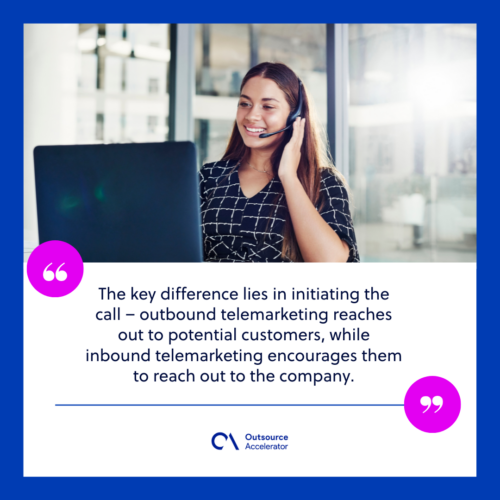
Both inbound and outbound telemarketing help you engage buyers. Still, they work in different ways. The key difference is who starts the call.
Outbound telemarketing reaches out to prospects first. Meanwhile, inbound telemarketing gets them to reach out to you. So inbound is reactive, while outbound stays proactive. In an inbound call center, agents must answer questions clearly, so leads can decide with confidence.
In outbound telemarketing, sales teams pitch the product to each lead. Then they check if it fits the buyer’s needs. For a proactive angle, many teams also use proven cold calling strategies to open new conversations.
3 types of inbound telemarketing services
Companies can use several inbound telemarketing services to engage buyers and grow. Here are the three main types.
1. Sales inquiries
First, inbound telemarketing handles sales inquiries. Prospects often call to learn more about a product before they buy.
Then the agent shares clear facts, points out the benefits, and books a follow-up if needed. The inbound call center acts as the hub for these calls. In addition, trained agents keep each call quick and helpful. Many providers offer these as part of their core call center services.
2. Customer support
Inbound telemarketing also works well for customer support. So it lets companies answer questions and clear up any doubts about a product.
Agents field customer queries and share the right details. As a result, the whole experience feels smooth and easy.
3. Lead qualification
Inbound telemarketing is a strong tool for lead qualification.
By talking with leads on the phone, you can gauge their interest and fit. Because of this, teams can focus their time on the best prospects. In turn, they spend more effort on leads that are likely to convert.
Benefits of inbound telemarketing
Inbound telemarketing brings clear benefits for sales and service. Here are the main ones.
Personalized interaction
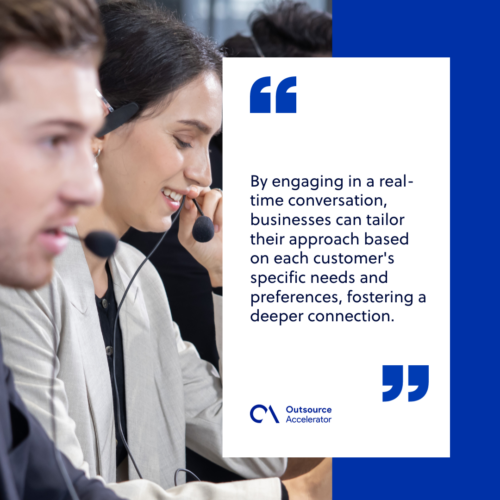
With inbound telemarketing, companies can offer personalized engagement on every call.
A live chat lets agents adjust to each buyer’s needs and likes. As a result, the bond feels closer and more real. For example, agents can walk callers through an offer or show new features they should know. Strong customer service skills make these moments land even better.
Increased conversion rates
Inbound telemarketing tends to convert at a high rate. That is because callers who reach out first are already keen to buy or act.
So this interest, paired with a good sales pitch, can lift your sales results. In addition, warm callers need less convincing than cold ones.
Enhanced customer satisfaction
Inbound telemarketing adds a lot to customer satisfaction. On each call, teams can answer questions, concerns, and issues fast.
Meanwhile, sales and service staff can work together to listen and fix problems with care. As a result, this builds a good name and drives customer loyalty.
Inbound telemarketing strategies to remember
To get the most from inbound telemarketing, use a few clear strategies. Here are three to keep in mind.
1. Comprehensive training
Agents need solid training for both inbound and outbound calls. Good training builds strong communication and problem-solving skills.
So their training should focus on these skills:
- Active listening
- Product knowledge
- Empathy
- Analytical skills
- Team collaboration
Firms can use sales games, webinars, and other methods to build skills. As a result, agents can answer questions with more confidence. In turn, they can suggest the right plan for each caller.
2. Quality assurance
Quality checks keep service steady and professional. So teams should monitor calls for compliance and tone.
Regular feedback and coaching also help agents improve. In addition, firms can use call recording, call listening, and CSAT scores to track results. Then they can give clear tips on tone of voice and product knowledge.
3. Customer relationship management tool
A good customer relationship management (CRM) system keeps all customer data in one place. As a result, agents can personalize calls and keep clean records.
The right CRM lets teams use its features to fit their needs. It also keeps information flowing during each call. Because of this, agents can suggest the right product and lift the chance of a sale. The benefits of a CRM show up quickly in daily work.
Mastering inbound telemarketing
To master inbound telemarketing, mix smart strategy, trained agents, and a customer-first mindset. There is real value in outbound work too. Still, there is a craft to serving callers who come to you.
So by using personalized calls and clear support, inbound call centers can drive sales and grow trust. Inbound telemarketing also pairs well with appointment setting to move warm leads forward. As a result, teams can win long-term success.
Frequently asked questions about inbound telemarketing
What is the difference between inbound and outbound telemarketing?
Inbound telemarketing means customers call you first, so calls are reactive and warm. Outbound telemarketing means agents call prospects first, so calls are proactive. In short, inbound waits for interest, while outbound creates it.
Is inbound telemarketing the same as customer support?
Not quite. Customer support fixes issues for current users. Inbound telemarketing also drives sales and qualifies leads. So it blends service and selling on one call.
Why do inbound calls convert so well?
Callers reach out because they already want the product. As a result, they need less convincing. So a clear answer and a good pitch often lead to a sale.
Do I need a CRM for inbound telemarketing?
A CRM is not required, but it helps a lot. It keeps customer data in one place. Because of this, agents can personalize calls and track every lead.
Can small businesses use inbound telemarketing?
Yes. Small firms can start with a few trained agents and a simple phone setup. Then they can scale up as call volume grows.
Key takeaways
- Inbound telemarketing lets warm, interested buyers call you first.
- It covers three core jobs: sales inquiries, support, and lead qualification.
- Warm callers convert well, so a clear pitch pays off fast.
- Training, quality checks, and a CRM keep service strong and steady.
- Done well, it drives sales, trust, and long-term growth.






 Independent





