
How you can nurture your virtual staff to success


How can you nurture your virtual staff to success?
You nurture virtual staff to success through clear communication, steady recognition, and treating remote team members as equals.
- Set clear goals and talk often, so nobody feels left out.
- Start small, then grow the role as trust builds.
- Reward good work and offer the same benefits as onsite staff.
Remote work has become a normal part of business life. It has changed how office teams operate and pushed virtual staff into companies around the world. Many modern businesses thrive this way. Still, plenty of organizations struggle to find their footing with this model.
Organizations that have outsourced or built a distributed workforce have a head start. However, virtual staffing is still hard to maintain. A few mistakes on the employer’s side can lead to low morale and weaker performance.
Remote work is now firmly mainstream. In fact, Gallup reports that about 20% of full-time US employees work fully remotely, with another 28% in hybrid roles. Buffer’s 2023 State of Remote Work report flagged challenges that still ring true today: 23% of remote workers struggle with loneliness and 19% with working across time zones. Both are common for outsourced teams.
So employers need to stay open-minded and consistent when hiring and managing staff. In this episode of the Outsource Accelerator podcast, Anne and Mark Lackey of HireSmart Staff (HSS) share their outlook on this topic.
Distinctions between managing onshore and virtual staffing
For example, employers often hire onshore staff to protect their local brand and identity. This works well in the early years of a business. Soon, though, they feel the need to outsource some tasks to virtual staff.
Even so, many companies stay cautious about this move. They are used to seeing workforce management through an in-house lens. Scary stories about virtual staffing also shape their hiring choices.
There are real distinctions between hiring and managing onshore and virtual staff that employers should know. Beyond location, onshore and virtual staff are both alike and different in these ways.
Cultural bounds
In HSS’ experience, the Philippines and the United States share close cultural ties. This can be a real plus when hiring virtual staff. However, employers should not force their own work culture onto the team.
Employers’ hiring strategy
Employers tend to hire their staff more through familiarity and emotions than logic. This is most common with onshore teams. As a result, some employers feel skeptical about virtual staffing. They worry that lower-cost staff means lower-quality work, which is rarely true.
Lack of proper communication
Finally, Anne and Mark found that many clients do not communicate well with staff. This is a big challenge across the whole organization. Employers often struggle to share clear expectations with both onshore and virtual teams. A strong remote work culture helps close that gap.

How to nurture virtual staff to success
Virtual staffing and outsourcing have long worked for businesses. Successful companies that outsourced their operations tend to hire and manage their teams in similar ways. Here is what they do well.
Establish communication
Anne and Mark stressed one point above all: clear communication. This matters for virtual and onshore staff alike. So share your expectations, goals, and objectives from the very start.
Start small and easy
Per Anne, companies are “never ready” to hire a virtual team. So it is fine to figure things out slowly. Start by delegating small, easy tasks. Then build on your team’s strengths. A simple remote onboarding checklist keeps those first steps smooth.
Set weekly meetings
Weekly meetings give virtual teams a steady rhythm. They also support transparency across the organization. Use them to assign tasks and track progress on a regular basis.
Recognize small and big wins
Virtual teams love to be recognized and rewarded for good work. So set up systems to reward staff who hit a target or metric. Strong virtual assistant management makes this easy to repeat.
Treat virtual staff properly
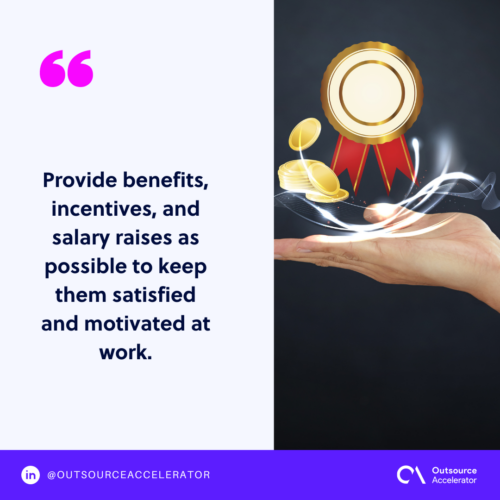
Finally, treat virtual teams as equals to their onshore peers. In practice, this means managing them with the same care. Offer benefits, incentives, and raises where you can. As a result, your team stays satisfied and motivated. Good virtual assistant training also helps them grow into the role.
HSS in helping clients hire and manage virtual staff
Based in the United States, HSS helps clients hire and manage virtual staff for success. It works as more than a recruitment arm. In fact, it acts as a mediator between the business and its virtual teams.
In practice, HSS helps both sides share expectations, concerns, and feedback. For clients, it markets its service as a way to crack their CODE: Churn, Overwhelm, Dread, And Employee Performance.
Check out their website or visit Meetwithanne.com for inquiries. You can also listen to the latest episode here.
Frequently asked questions about nurturing virtual staff
What does it mean to nurture virtual staff?
It means actively supporting your remote team, not just assigning work. In practice, you guide, train, and reward them over time. As a result, virtual staff grow and stay engaged from afar.
How is managing virtual staff different from onsite teams?
The core goals are the same, but the methods differ. You cannot rely on hallway chats or body language. So you lean more on clear writing, scheduled check-ins, and shared tools.
How often should you meet with virtual staff?
Weekly meetings work well for most teams. They keep tasks on track and build momentum. You can add short daily check-ins when a project needs closer coordination.
How do you keep remote workers motivated?
Start with clear goals and honest feedback. Then recognize good work in public and reward results. Fair pay, benefits, and growth paths keep people motivated for the long run.
What is the biggest mistake employers make with virtual staff?
The most common mistake is poor communication. For example, vague goals leave remote workers guessing. So set clear expectations early, and check in often to keep everyone aligned.






 Independent






