
Understanding Form 1099-MISC

What is Form 1099-MISC?
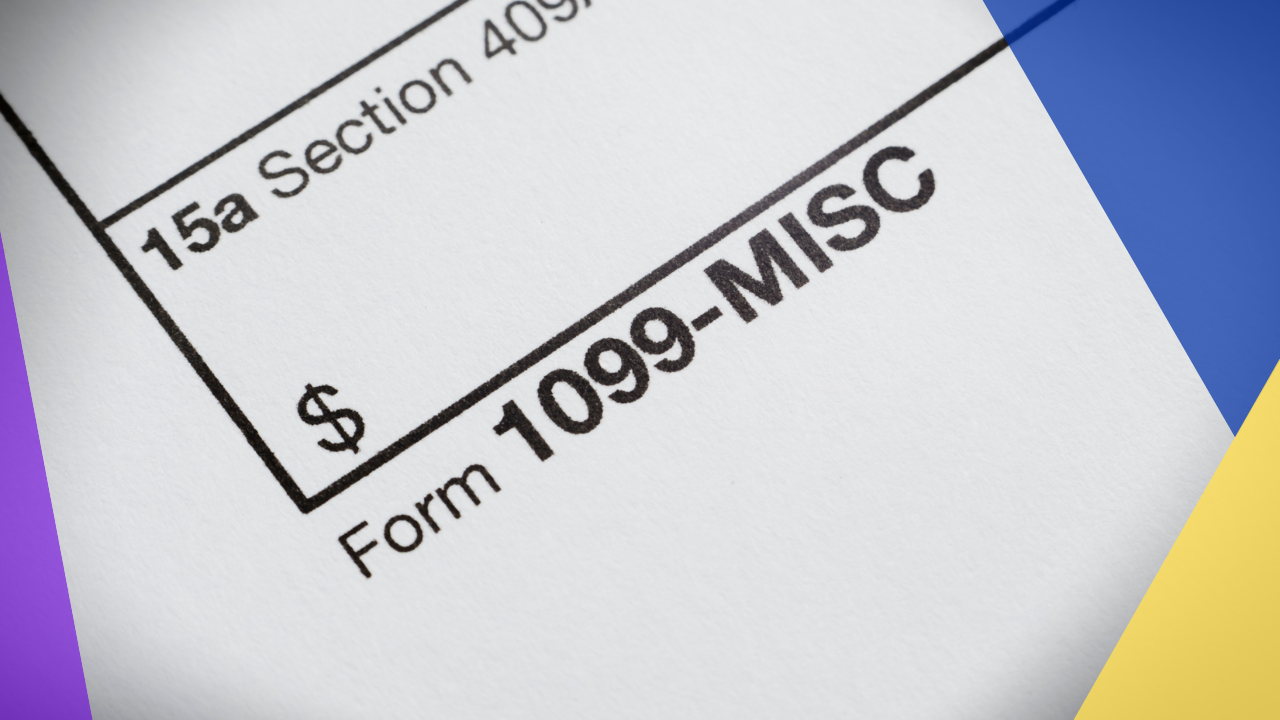
Form 1099-MISC is a US tax form that reports certain payments made outside regular payroll, such as rent, prizes, and some medical or legal payments.
Here is what it does at a glance:
- It records income that is not a salary, wage, or tip.
- It tells the IRS about money paid to people or firms outside your payroll.
- It helps make sure the right tax gets paid on that income.
Tax forms can feel confusing at first. However, Form 1099-MISC is easier to grasp once you break it down. So this guide walks through the form, its income types, the filing steps, and the common mistakes to avoid.
In short, Form 1099-MISC reports many kinds of income that are not salaries, wages, or tips. Think of it as a record of payments made outside regular employment. For example, you may need it if your business paid:
- Freelancers
- Independent contractors
- Rent or crop insurance proceeds to someone
You would list those payments on this form. The goal is to tell the Internal Revenue Service (IRS) about the money that changed hands. As a result, all income gets counted, even when it sits outside normal payroll, and the correct tax gets paid.
Types of income reported on Form 1099-MISC
Form 1099-MISC covers several kinds of income. Here are the most common ones.
Nonemployee compensation
This once covered payments to freelancers, independent contractors, and consultants. However, that rule changed in 2020. Now those payments go on Form 1099-NEC instead. So if you pay a contractor $600 or more in a year, use the 1099-NEC. For more detail, see this guide to the 1099-NEC and non-employee pay, and this quick look at how the two forms differ.
Rent
Rent still belongs on Form 1099-MISC. So if you are a landlord and collect rent, you report it here. This covers the rent you take in from tenants during the year.
Healthcare payments
Direct payments to healthcare providers or insurers also go on this form. For example, this can include payments for medical services or health supplies not covered by insurance.
Crop insurance proceeds
Farmers use this form too. Any insurance payment for damaged or lost crops gets reported here. For instance, this may follow bad weather or other events that harm crops.
Form 1099-MISC: Filing process
Filing Form 1099-MISC takes a few simple steps. Here is how to do it.
1. Gather information
First, collect the details you need. This includes:
- Names
- Addresses
- Taxpayer Identification Numbers (TINs)
- Payment details for the payer (your business)
- Details for the recipient (the person or firm you paid)
2. Acquire Form 1099-MISC
Next, get the form. You can obtain Form 1099-MISC from the IRS or use approved software to file online. So always pick the correct version for the tax year you report.
3. Enter payer and recipient information
Then fill in the payer’s details. Add the business name, address, and employer identification number (EIN) in the right sections. After that, check every detail for accuracy. Clean data makes tax reporting and IRS contact much easier.
4. Report income in relevant boxes
Next, sort each type of income into its own box, such as:
- Nonemployee compensation
- Rent
- Healthcare payments
- Crop insurance proceeds
Each income type has its own box on the form. As a result, careful sorting keeps the tax math correct.
5. Provide payment details
After that, enter the total paid to each recipient in the right boxes. This shows a clear record of what you paid during the year. If you withheld any federal or state tax, note those amounts too. So the form stays in line with tax rules.
6. Distribute and file
Finally, send each recipient a copy of Form 1099-MISC by the deadline. This gives them an accurate income record. Then file your copies with the IRS on time, following the rules. If you outsource this work, learn when to outsource your accounting so filings stay on track.
Common mistakes to avoid when filing Form 1099-MISC
A few errors trip up filers every year. Here are the common ones to watch for.
Incorrect or missing information
First, avoid errors in names, addresses, or TINs. These can trigger IRS questions and delays. So double-check the payer and recipient details. Clean records reduce the risk of audits or holdups.
Misclassifying income
Next, put each payment in the right box, such as rent, healthcare, or crop insurance. Wrong boxes lead to wrong tax results. As a result, careful sorting saves time later.
Failing to file on time
Also, meet the deadlines and send recipient copies on time. The usual dates are:
- January 31 to give copies to recipients and file with the IRS
- End of February for paper filing
- End of March for e-filing
Miss these dates and you may face penalties.
Mathematical errors
Then review every total on the form. Simple math slips can throw off the reported amounts. As a result, wrong totals may spark audits or IRS questions.
Using incorrect forms
Finally, confirm the right version of the form for the tax year. Old or wrong forms cause filing errors. So use official IRS resources or ask tax professionals to confirm the correct form. It also helps to know what counts as taxable income before you file.
Stay updated and vigilant about Form 1099-MISC
Tax rules change over time. So stay informed about any updates to Form 1099-MISC. Here is how:
- Regularly review guidelines: Check IRS guidance on Form 1099-MISC from time to time. This keeps you in line with the latest rules.
- Seek professional advice: Ask tax professionals or use trusted sources to stay current on any changes.
- Attend training or workshops: Join sessions run by tax authorities or trusted groups. As a result, you build a clearer view of the form.
- Monitor deadlines: Track filing dates so you avoid a last-minute rush or penalties.
Taxes shift as new rules arrive. So keeping up with Form 1099-MISC helps you stay ahead. This form is not just paperwork. In fact, it tracks income that still needs attention at tax time. To handle it well, learn the form, file it correctly, and watch for changes. Think of this guide as your simple map for Form 1099-MISC.
Form 1099-MISC FAQs
What is Form 1099-MISC used for?
It reports many payments made outside payroll. For example, it covers rent, prizes, and some medical or legal payments. So it helps the IRS track income that is not a salary, wage, or tip.
What is the difference between Form 1099-MISC and Form 1099-NEC?
The 1099-NEC reports nonemployee pay, such as money paid to contractors. The 1099-MISC now covers other payments, like rent. Since 2020, contractor pay moved from the 1099-MISC to the 1099-NEC.
When is Form 1099-MISC due?
You usually give recipient copies by January 31. Then you file with the IRS by the end of February on paper, or the end of March when you e-file. So mark these dates early.
Who needs to file Form 1099-MISC?
Businesses that make reportable payments file it. For instance, a landlord who collects rent may need one. As a result, many small firms file this form each year.
What happens if you file Form 1099-MISC late?
Late filing can lead to penalties. The fine often grows the longer you wait. So file on time and keep clean records to stay safe.






 Independent





