
Be prepared: MCI’s emergency on-demand call center services

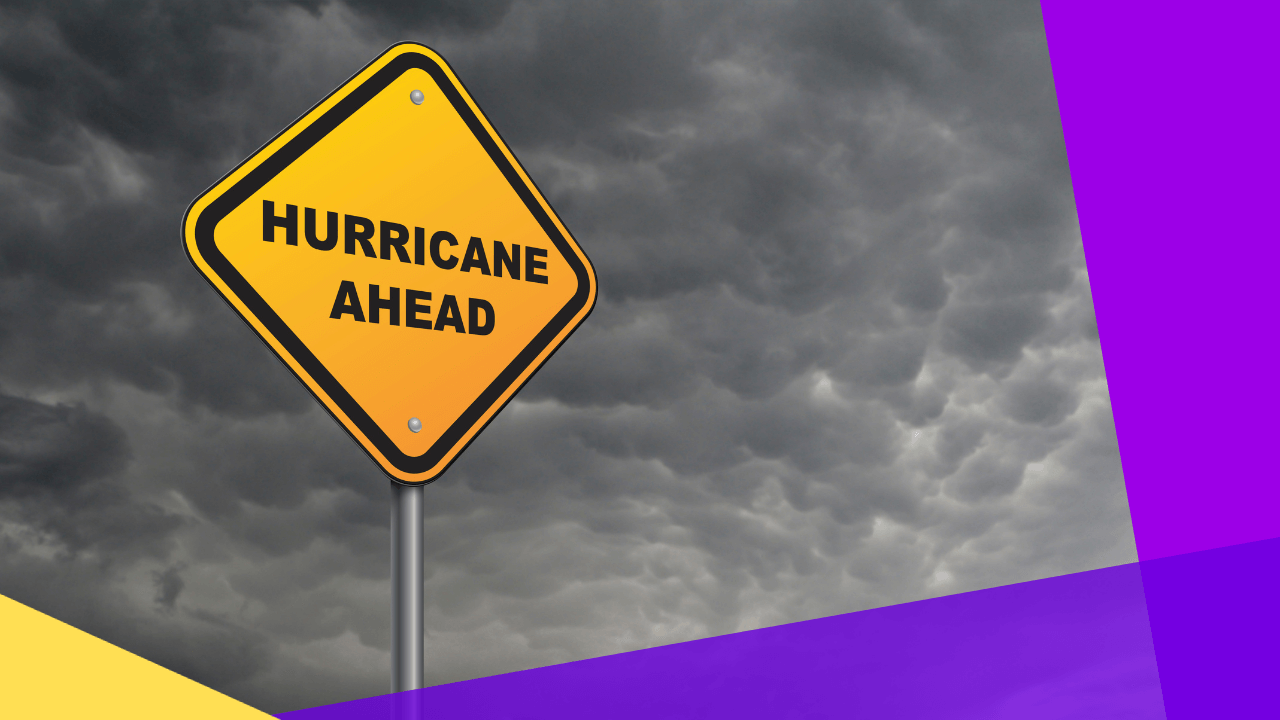
An emergency call center is often the first lifeline when a crisis hits. Emergencies can strike at any moment. In those critical minutes, fast help depends on trained agents ready to respond.
These hubs act as the first point of contact when disaster unfolds. They are the quiet heroes of public safety, disaster response, and healthcare.
What is an emergency call center?
An emergency call center is a 24/7 hub that takes urgent calls, gathers key details, and routes fast help during a crisis.
- Agents follow set protocols to respond right away.
- They serve sectors like insurance, healthcare, and finance.
- They scale up quickly when call volume spikes.
MCI stands out as a leader here. Indeed, it ranks among the top BPOs worldwide. It is also at the front of on-demand emergency call center services.
MCI specializes in insurance first notice of loss. It regularly deploys a force of 10,000 agents. Their work has helped many people, including those affected by Hurricane Idalia.
This article explores emergency call center services, their key functions, and their uses. It also shows how MCI can be there in your time of need.
Key functions of emergency call center services
The key functions of an emergency call center drive fast, effective responses. In fact, these functions matter across many sectors. Here are the main ones.
- Immediate response – Agents follow the right protocols to act at once.
- Information gathering – Agents collect key details to send resources where needed.
- Documentation – Accurate records help teams study trends and improve.
- Non-emergency support – Agents also handle general questions to ease the load on core services.
To keep this speed, most centers rely on strong tools. This roundup of call center software shows what powers a fast response.
Applications of emergency call center services
Emergency call centers serve many industries, each with a unique need. So let us look at how firms use them in these fields.
Insurance
Emergency call centers handle calls about accidents, property damage, and covered emergencies. Notably, the focus is often the First Notice of Loss. Insurers rely on these centers to take reports from policyholders.
Policyholders contact the center when an incident occurs. This starts the claims process. As a result, insurers give timely help and resolve emergencies faster.
E-commerce
In e-commerce, an emergency call center can handle a surge in customer inquiries. For example, it supports product questions, order tracking, and returns. It also helps with fraud protection, data breaches, and account security.
Travel and hospitality
Emergency call centers are vital in travel and hospitality. They help travelers facing flight cancellations, missed connections, or health scares abroad.
In these moments, the center offers guidance on new travel plans and accommodations. So travelers get prompt help and clear answers.
Healthcare
Beyond medical incidents, an emergency call center handles general health questions. It can offer telehealth support, appointment scheduling, and basic guidance. This is helpful for patients who need help outside office hours.
Financial services
Emergency call centers are key for financial firms. They handle fraud alerts, account compromises, and security breaches. As a result, agents can spot threats fast, place holds on accounts, and guide customers to safety.
Some firms even offer emergency support for financial advice or account help. So customers get expert care when it counts.
Benefits of on-demand emergency call center services
On-demand emergency call center services bring several clear benefits. In short, here are the key advantages.
Scalability and flexibility
An on-demand center can scale with call volume, so response stays strong. It also runs 24/7, which adds real flexibility. Firms weighing this route often compare BPO models to find the best fit.
Swift response
Certainly, prompt response is critical in an emergency. A good center cuts response time. It manages incoming calls, gathers accurate details, and assigns resources fast.
Specialized expertise
On-demand centers have trained agents for specific emergencies. Some focus on medical calls, while others handle technical ones. As a result, callers get the right kind of help.
Cost-efficiency
An on-demand center often costs less than an in-house one. Overall, companies save on infrastructure, staffing, and training. So outsourcing customer service can free up budget for core work.
Reliability and redundancy
Emergency call centers use backup systems for nonstop service. This adds reliability and resilience. So calls get answered even when problems arise.
Data analytics and reporting
These centers offer real-time reporting and analytics. Firms can track response times and spot trends. Recent call center statistics show how much this data improves service over time.
MCI’s emergency call center for every scenario
MCI has over 20 years of experience lifting customer experience and cutting costs. Its emergency call center makes it stand out. It helps you keep operations running through:
- Emergency helplines
- Urgent notifications
- Remote assistance
- 24/7 telephone support
MCI also pairs these services with modern VoIP call center solutions for clear, reliable connections. Connect with MCI to learn more about its emergency call center services.
Emergency call center FAQs
What does an emergency call center do?
It takes urgent calls and routes fast help during a crisis. Agents follow set protocols and gather key details. So the right resources reach people quickly.
Which industries use emergency call centers?
Insurance, healthcare, finance, travel, and e-commerce all use them. Each sector has its own urgent needs. So agents train for specific types of calls.
Is an on-demand emergency call center cheaper than in-house?
Often, yes. You save on infrastructure, staffing, and training. So it can lower costs while keeping service strong.
Do emergency call centers run 24/7?
Yes. Most run around the clock with backup systems. As a result, calls get answered at any hour.
How does MCI support emergency response?
MCI deploys thousands of trained agents on demand. It offers helplines, urgent alerts, and 24/7 support. So businesses stay ready for any scenario.
Key takeaways
- An emergency call center gives fast, 24/7 support during a crisis.
- It serves insurance, healthcare, finance, travel, and e-commerce.
- On-demand services add scalability, speed, and cost savings.
- Strong reporting helps firms improve response over time.
- MCI offers proven emergency call center services with 10,000 agents on call.






 Independent





