
Customer appreciation as a factor to business growth


Why does customer appreciation matter for business growth?
Customer appreciation matters because it keeps buyers loyal, lifts repeat sales, and turns happy customers into advocates for your brand.
- It shows customers that you value their support, not just their money.
- As a result, they stay longer and spend more over time.
- In addition, happy customers refer friends and spread good word of mouth.
If there is one thing customers love, it is feeling appreciated by their go-to brand. After all, customer retention can make or break your future sales. So customer appreciation is a simple way to keep people around. Every business owner has a different way to show thanks. Some work every time, while others need more effort. Still, customers drive your sales. So you need a good relationship with the people you serve. Let us look closer at customer appreciation and how it shapes your growth.
What is customer appreciation?
Customer appreciation is a marketing approach that shows gratitude to your customers. In short, brand owners use it to thank loyal buyers for their support. It also highlights how much those buyers mean to the brand.
These programs go beyond selling goods or services. Instead, they build lasting relationships. So a strong bond between brand and customer is the real goal. In addition, customer appreciation lifts weekly sales and grows brand awareness. As a result, it gives your patrons a personal touch and a better experience. It also supports stronger customer loyalty over the long run.
Why do customers prefer businesses that engage with them?
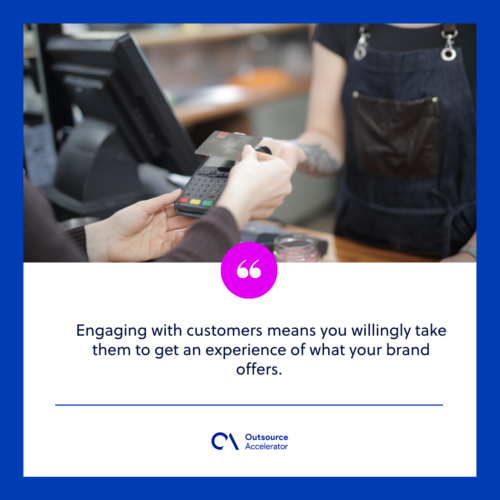
Nobody likes a business that ignores its customers. Engaging with customers means you let them truly experience what your brand offers. More than that, good engagement drives growth and loyalty. In some cases, it also brings in more revenue.
Engagement also helps you improve your brand. For example, feedback and surveys show what you do well or poorly. So when customers feel heard, they tend to buy more. Of course, customer service will not always be perfect. After all, every process has flaws. However, done right, engagement sparks real interest. As a result, people see the brand as warm and professional. Strong customer retention often follows that kind of trust.
5 powerful ways to show customer appreciation
Today, competition is fierce as more businesses chase new ideas. Meanwhile, customers always look for something fresh. So owners must find ways to stand out. Done well, customer appreciation can boost sales over time. Here are five low-cost ways to put it into action.
1. Feature customers on social media
A customer feature on social media is a simple way to say thanks. After all, people love a subtle spotlight, and it makes them feel valued. This works both ways too. First, you show your gratitude. Next, you humanize your brand. In addition, a feature acts as social proof on your page. As a result, your brand reaches more people online.
2. Provide early access to new products
Treat your customers like VIPs. For example, give them early access to new products. So they feel special and want to support you more. You can share the news through newsletters, emails, personal messages, or calls. Still, add a personal touch to make the message warmer.

3. Offer discounts on some products
Who would turn down a good discount? Almost every business uses them to win new buyers. So show your customers you value them with a small rebate. For example, you can start with a 10% discount. Then raise it as your profit grows.
4. Invite customers to referral and loyalty programs
Loyal customers deserve real recognition. So reward them with a referral program. For example, when they refer a friend who buys, they get a fee or discount. As a result, the referral system keeps loyal customers motivated. In turn, more referrals mean more sales for the business.
5. Send a personalized gift or letter
People love getting customized items. After all, a gift with a personal touch creates a sense of belonging. So add a detail that shows you know them. For example, mention what they bought from you. Generic gifts, however, feel cold and miss the point.
Customer appreciation as a key to business growth
There is a clear link between engagement and profit. For example, a study by Constellation Research found that companies that improve interaction can see:
- 22% boost in cross-selling revenue
- 38% rise in up-sell revenue, and
- 5% to 85% increase in order size
So a good customer experience is a huge lever for revenue. As businesses grow, the need for appreciation grows too. In short, consistent and genuine thanks drives high retention. Strong customer satisfaction is the result. So make your customers come back for more. Plan real ways to show how much you value them. Reliable customer service keeps that goodwill alive at every step.
Customer appreciation FAQ
What is a customer appreciation program?
A customer appreciation program is a planned way to thank loyal buyers. For example, it can include discounts, early access, or personal gifts. In short, it rewards people for their support. As a result, it builds stronger, longer relationships.
How often should a business show customer appreciation?
Appreciation works best when it is steady, not rare. So aim for small gestures throughout the year. For example, a thank-you note or a loyalty perk goes a long way. Still, bigger rewards suit milestones and holidays.
Does customer appreciation cost a lot of money?
No, it does not have to. Many ideas are low-cost or even free. For example, a social media feature or a personal message costs little. Yet it can make a real difference to how valued people feel.
How does customer appreciation differ from customer service?
Customer service solves problems during a purchase. In contrast, customer appreciation shows thanks beyond any single issue. So the two work together. In short, good service keeps customers, and appreciation makes them stay longer.
What are simple ways to measure customer appreciation?
Track the numbers that show loyalty. For example, watch repeat purchase rates and referral counts. In addition, follow retention and customer feedback scores. So you can see if your efforts truly land. Pairing appreciation with clear customer retention strategies makes the results easier to track.






 Independent






