
Uncovering the actual cost of firing an employee


What is the real cost of firing an employee?
The cost of firing an employee goes far beyond a final paycheck; it adds severance, benefits, lost work, low morale, and the price of hiring a replacement.
- Direct costs include the final pay, severance, and continued health coverage.
- Indirect costs include lost productivity, lower morale, and rehiring.
- You can lower these costs with better benefits, culture, and hiring.
Many companies see firing an employee as a quick win. They assume the worker caused too many problems. However, the act of letting someone go can be costly. In some cases, it even creates a liability. So this article uncovers the real cost of firing an employee.
Cost of firing an employee: Why employers terminate workers
Every role comes with clear duties and goals. If a worker does not meet them, they may lose the job. So many companies set rules to warn workers first. From day one, an employee learns the grounds for termination.
Two common reasons stand out:
- Non-fulfillment of duties
- Poor performance
Both point to a lack of commitment. In these cases, the worker does not focus on company goals. Ethical issues also push firms to change staff. For example, someone may damage property, falsify records, steal, or break policy. A clear contract termination letter template can help you handle these cases the right way.

Direct cost of firing an employee
It takes real investment to recruit and keep good people. So when an employee has to leave, you still owe several payments. Here are the direct costs to expect.
Final paycheck
Most businesses offer paid time off. So you must pay for an employee’s unused hours. In many cases, the fired worker must get this pay within 30 days of termination.
Severance pay
Dismissed workers often receive severance pay. The amount depends on their salary and years of service. In short, your firm keeps paying wages for a short time.
Continuation coverage
Health coverage can continue after termination too. Under the Consolidated Omnibus Budget Reconciliation Act (COBRA), the private sector must extend coverage from 18 to 36 months. You still pay part of the premium. Meanwhile, the former worker can pay some at a discounted price.
Factors affected by the increasing cost of firing an employee
Indirect costs also rise from this choice. In fact, the real cost of firing an employee is not just money. It also touches the following areas.
Lost productivity
Losing one worker can slow your whole team. As a result, others must cover extra duties and spend more time and effort. In time, this can drain motivation. So operations and processes may slow down. Tracking employee turnover statistics helps you see this impact clearly.
Employee morale
You cannot always say that work is just work. Your team may take it personally when you fire a friend. As a result, culture and drive can shift, even with valid reasons.
A study by Office Vibe found that 70% of employees believe work friends lead to a happier work life. Also, half of those with a work best friend feel more tied to their firm. Because of this, morale matters more than many leaders think. To dig deeper, review common employee retention problems and how to solve them.
Recruitment and training costs
You must also hire someone new to fill the gap. So you spend on ads and relevant tests before you accept applicants. Then you pay for onboarding and training. As a result, the total cost climbs fast. Many firms face similar recruitment challenges during this stage.
How to prevent the cost of firing an employee?
Firing someone can be wise when a worker no longer fits the role. Still, it always brings the costs above. So the following steps help you protect your workforce and your budget.
Offering quality health benefits
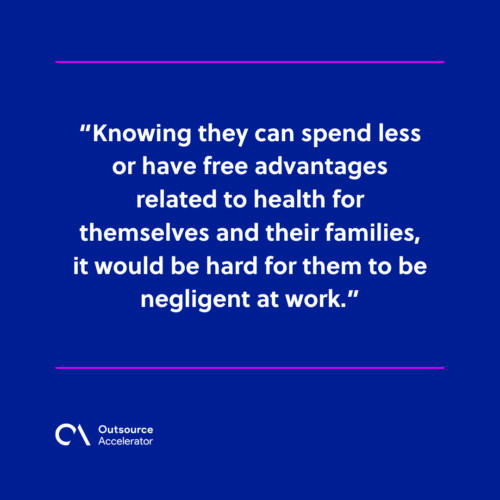
Strong health benefits support employee retention. When workers know they can spend less on care, they feel valued. As a result, they are less likely to slack off. It also helps to add dental and mental health benefits.
Employee satisfaction through additional perks
People Keep’s Employee Benefits Report revealed that workers value the following:
- Paid time off
- Retirement benefits
- Flexible work schedules
- Paid family leave
- Professional development
- Life insurance
You can also show you care outside work. For example, offer stipends for health, wellness, remote work, transport, and education.
Hiring the right employees from the beginning
Standards matter when you look for the right candidate. A fast hire does not always pay off later. So when you want a qualified applicant, list everything they must know and possess. Strong onboarding practices for new hires then help them succeed and stay.
Cost of firing an employee: What employers must learn
Good results are not just about the right employees. They are also about being the right employer. So give your people full training and support to grow.
The fix is not to keep replacing people. Instead, build a healthy work environment. Match fair pay and good treatment to each role.
Only fire an employee when you can face the costs that follow. Yes, this choice is expensive. Still, a company can come back stronger when it values employee satisfaction and its goals.
Frequently asked questions about the cost of firing an employee
How much does it cost to fire an employee?
The cost varies by role, salary, and location. However, it often includes final pay, severance, and benefits. It also adds lost work time and the price of hiring a replacement.
What are the hidden costs of firing an employee?
The hidden costs are mostly indirect. For example, you lose productivity while the team covers extra work. Morale can also drop, and rehiring takes time and money.
Is it cheaper to retain or replace an employee?
In most cases, retention is cheaper than replacement. Recruiting, onboarding, and training all cost a lot. So better benefits and culture usually save money over time.
How can employers reduce the cost of firing an employee?
Start with strong benefits and a fair culture. Next, hire the right people from the start. As a result, you fire fewer workers and keep turnover low.
Key takeaways
- The cost of firing an employee includes final pay, severance, and health coverage.
- Indirect costs like lost work and low morale add up fast.
- Rehiring means new ads, tests, onboarding, and training.
- Good benefits and culture lower turnover and cut these costs.
- Hiring the right people from the start is the best long-term fix.






 Independent





