
Data processing stages: How data is put to use

What are the stages of data processing?
The data processing stages are data collection, data preparation, data input, data processing, data interpretation, and data storage, and together they turn raw data into useful information.
- Each stage has a clear job. So skipping one weakens the final insight.
- The work mixes software and skilled people. As a result, many firms outsource it.
- Good processing leads to better decisions, current market reads, and lower cost.
Data is the currency of today’s global economy. From basic personal details to search and spending habits, nearly all of it is tracked, stored, and analyzed. Much of this work runs through a series of algorithms at data mining firms.
The data processing stages matter because they produce actionable insight. In turn, these insights help firms plan new campaigns or projects. For users, data is useful in many ways. For example, the recommendations that algorithms provide help buyers make informed choices.
Indeed, data serves different groups in society. However, it is so common that people take it for granted. Many never notice that data goes through a strict refining process first. Only then does it become useful information. So this article walks through the data processing stages in detail.
What is data processing?
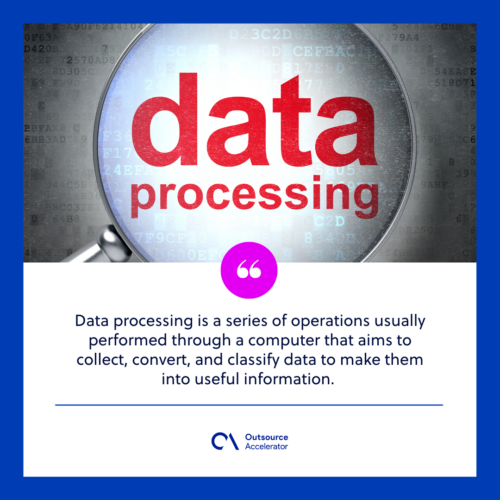
Data processing is a series of steps, usually run on a computer. The aim is to collect, convert, and sort data into useful information. A solid data collection strategy sets the whole process up for success.
This conversion is often guided by data scientists. They make sense of the trends buried in the pile of data. As a result, the end products are graphs, tables, and charts. These show the trend and the clear shifts seen on the ground.
Reasons to have proper data processing stages
The data processing stages take time and money. In addition, they need a team of experts to process the data and discuss the patterns.
Because of these demands, the work is not for everyone. It involves many formulas and trend analysis. Most of all, it needs careful side-by-side comparison to make sense of the data. So here are three key reasons why proper data processing is essential.
Reason #1: Better decision-making
Raw data gives firms no clear action to take. Even a visible trend is hard to trust without solid data behind it. So it is tough to tell if a choice is worth making.
Polished data gives leaders concrete proof for big management calls. It rules out weak options. Then it points to the route most likely to bear results.
Reason #2: Keeping up with trends
Data is always there. Everyone is hooked to the internet and their phones. As a result, firms can tap a constant surge of data and information. However, without prompt processing, they cannot use this edge.
The data processing stages keep companies in the loop on shifting market taste. In turn, firms can update their strategy and launch fresh, appealing campaigns.
Reason #3: Cost and process efficiency
In-house processing is slow and costly once you have tons of data. One or two teams cannot handle it. Instead, it needs groups of data entry experts and software to do the time-heavy tasks. Many firms also buy data processing services to scale this work.
So it is wise to outsource this work. The company can then focus on its core strengths. Meanwhile, it still gets to use the data and information provided.
What are the different data processing stages?
In general, there are six data processing stages. These are data collection, data preparation, data input, data processing, data interpretation, and data storage.
Data collection
This is the first data processing stage. Here, data is pulled from all available sources, such as data warehouses or data lakes. It is vital to collect data from trusted sources. Otherwise, data from random sources makes the findings hard to believe.
Data preparation
This is one of the harder phases of the data processing stages. It takes real effort and patience to sort and prepare the data.
This step is also called pre-processing. It means checking every document with care. You sort the pool of data, group it into categories, and remove repeat entries. As a result, this phase eats up a lot of time, and strong data quality checks keep it honest.
The main goal here is to prune weak data early. So the findings stay reliable and useful for the business.
Data input
This part of the data processing stages is known as data entry. The cleaned data is fed into the software, often Salesforce or a data warehouse. Here, the data is turned into a language the system can read. So this is the first step toward useful insight.
Data processing
In this phase, machine learning algorithms make sense of the raw input from the earlier step. The report is then built around the actual purpose of the information needed.
Data interpretation
This stage makes the data clear for non-data scientists. Often, it arrives as graphs, tables, videos, or images. With this, the company can launch campaigns or give the go-ahead for an activity. Clean data standardization makes these views easier to compare.
Data storage
This is the final and most important data processing stage. Here, actionable data is kept in cloud systems. Firms or individuals can then pull it out and use it later.
Storage is essential for legal reasons too. Many data protection laws require proper storage or disposal of data. In addition, much of this data holds confidential details. So it needs to be secured with care, often inside a wider data ecosystem.
From data to insights
Today’s market rewards firms that are proactive and quick to respond. Technology keeps moving fast. As a result, old business models struggle to keep up.
So leaders need to adapt and use trend-setting approaches. Data processing is what pinpoints those approaches. The insight it produces is valuable, because firms can then scale in a smarter, wiser way.
Frequently asked questions about data processing stages
Here are common questions from companies that want to put their data to work.
What is the first stage of data processing?
Data collection is the first stage. Here, you gather data from trusted sources, such as warehouses or lakes. So the quality of this step shapes every stage that follows.
How many data processing stages are there?
Most frameworks list six stages. These are collection, preparation, input, processing, interpretation, and storage. Together, they move raw data to useful insight.
Can data processing stages be outsourced?
Yes. Many firms outsource the work to cut cost and save time. A provider brings the people and the software. So the company can focus on its core work instead.
Why is data storage important?
Storage keeps finished data safe and ready to reuse. It also meets data protection laws, such as rules on disposal. In addition, it guards the confidential details inside the data.
What is the difference between data processing and data interpretation?
Data processing turns clean input into structured output. Data interpretation then makes that output easy for people to read. So interpretation is the stage that turns results into decisions.






 Independent






