
Top 7 conversational AI platforms

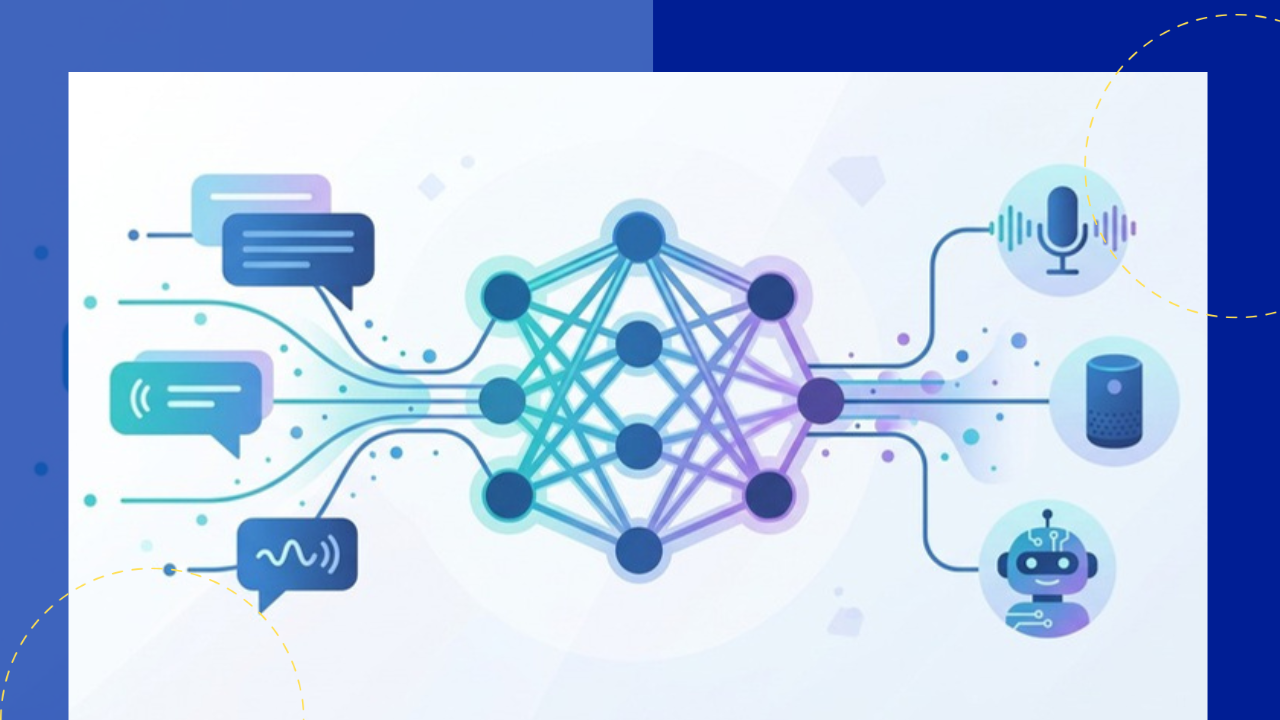
- Conversational AI platforms combine natural language processing and machine learning to power chatbots, voice bots, and virtual assistants.
- This guide profiles seven widely used platforms, from cloud services to open-source frameworks.
- The right fit depends on channels, integrations, deployment model, and whether you need low-code or developer control.
- A comparison table and FAQ round out the picture for both buyers and service providers.
Conversational AI platforms are the software behind the chatbots, voice bots, and virtual assistants that many companies now use to handle customer questions. These platforms understand written or spoken language, work out what a person means, and generate a relevant reply.
Underneath, they rely on natural language processing and machine learning to interpret intent and improve over time.
For businesses exploring outsourcing, and for the providers that serve them, choosing among the leading conversational AI platforms shapes how quickly and consistently customers get help.
The seven tools below are real, well-known products that are actively maintained. Each entry stays vendor-neutral and factual so you can shortlist candidates before running your own trials.
List of conversational AI platforms
1. Google Dialogflow
Dialogflow is part of Google Cloud and is used to build text and voice interfaces such as chatbots and phone agents. It comes in two editions, the advanced Dialogflow CX for complex flows and the simpler Dialogflow ES.
The platform connects to contact center tooling and to messaging channels, and it draws on Google’s speech and language models. Teams already working inside Google Cloud often find it a natural starting point.
2. IBM watsonx Assistant
watsonx Assistant is IBM’s platform for building virtual assistants that answer questions across web, mobile, and phone channels. It uses natural language understanding to match a user’s request to the right response.
The product is aimed at larger organizations and supports integration with existing customer service systems. IBM positions it for regulated industries where governance matters.
3. Amazon Lex
Amazon Lex is a service on Amazon Web Services that provides the automatic speech recognition and natural language understanding used in Alexa. Developers use it to add chat and voice interfaces to applications.
Lex integrates tightly with other AWS services, including Lambda for custom logic and Amazon Connect for cloud contact centers. That makes it a common choice for companies standardized on AWS.
4. Microsoft Copilot Studio
Copilot Studio, formerly known as Power Virtual Agents, is Microsoft’s low-code platform for building chatbots and copilots. Business users can create conversation flows through a visual interface with limited coding.
It connects to Microsoft 365, Azure services, and hundreds of prebuilt connectors. Organizations invested in the Microsoft ecosystem often adopt it to extend existing workflows.
5. Kore.ai
Kore.ai is an enterprise platform for designing virtual assistants that operate across voice and digital channels. It offers tooling for building, testing, and analyzing conversations at scale.
The company targets use cases in banking, healthcare, retail, and contact centers. Its features are geared toward large deployments with many concurrent conversations.
6. Cognigy
Cognigy is a conversational AI platform, developed by a company of the same name, that focuses on customer service and contact center automation. It supports both voice and chat interactions in many languages.
The platform provides a visual flow editor and connects to common contact center and CRM systems. It is often used by enterprises automating high volumes of service requests.
7. Rasa
Rasa is an open-source framework for building conversational assistants, aimed at developers who want direct control. Because it can run on a company’s own infrastructure, it appeals to teams with strict data requirements.
Rasa offers both a free open-source foundation and commercial tooling for larger deployments. It typically requires more engineering effort than the low-code options on this list.
How to choose a conversational AI platform
Start with the channels you actually serve. If most contact comes through phone lines, prioritize strong speech recognition; if it arrives through web chat and messaging apps, weigh those integrations more heavily.
Next, check how the platform fits your existing stack. Native links to your CRM, help desk, or cloud provider save weeks of custom work and reduce ongoing maintenance.
Consider the deployment model and the skills on your team. Low-code tools suit business users, while frameworks give engineers more control but demand more effort.
For a wider view of the market, review these chatbot tools for websites and the different types of conversational AI before you commit.
| Platform | Provider | Deployment | Often suited for |
|---|---|---|---|
| Dialogflow | Cloud | Google Cloud users, voice and chat | |
| watsonx Assistant | IBM | Cloud | Enterprises in regulated sectors |
| Amazon Lex | Amazon Web Services | Cloud | AWS-based applications |
| Copilot Studio | Microsoft | Cloud, low-code | Microsoft 365 organizations |
| Kore.ai | Kore.ai | Cloud | Large multichannel deployments |
| Cognigy | Cognigy | Cloud or on-premise | Contact center automation |
| Rasa | Rasa | On-premise or cloud | Developer teams, data control |
Frequently asked questions
Buyers and providers tend to raise the same practical questions when they first assess these tools. The answers below cover the essentials.
What is a conversational AI platform?
It is software used to build applications that understand human language and respond in text or speech. These platforms supply the natural language processing, dialogue management, and integration tools needed to run chatbots and voice assistants.
How are conversational AI platforms used in outsourcing?
Business process outsourcing providers use them to automate routine inquiries and route complex cases to human agents. This lets a contact center handle more volume while keeping people focused on higher-value work, as covered in this look at AI in customer service.
Do these platforms replace human agents?
Not entirely. They handle repetitive questions and first-line triage, but complex, sensitive, or unusual cases still need human judgment. Most deployments blend automation with live support rather than removing staff.
What should companies check before choosing one?
Verify channel coverage, integrations with your current systems, language support, data handling, and total cost across setup and ongoing use. Running a small pilot on real conversations is the most reliable test.
Key takeaways
Conversational AI platforms are now a core part of how many companies and their service partners manage customer contact.
- The seven platforms here span cloud services, low-code builders, and open-source frameworks, so there is a fit for most teams.
- Channels, integrations, and deployment model matter more than any single feature claim.
- Automation works best alongside human agents, not as a full replacement.
- Definitions and background from the University of Florida Business Library and reference material on how conversational AI works can help teams build a shared vocabulary before buying.






 Independent





