
Understanding the importance of the secondary market

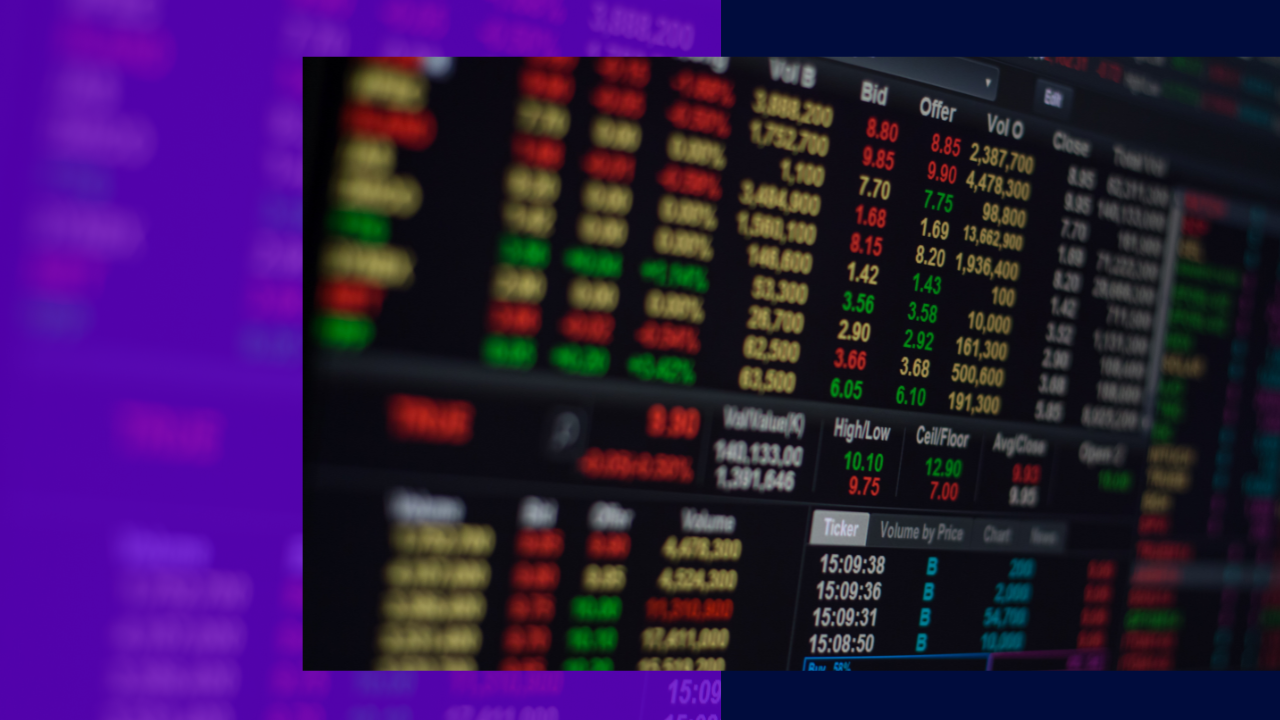
What is the secondary market, and how does it work?
The secondary market is where investors buy and sell already-issued securities, like stocks and bonds, giving them liquidity and fair price discovery.
- It lets investors trade existing securities among themselves.
- Its two main types are stock exchanges and OTC markets.
- It provides liquidity, price discovery, and easy risk management.
The secondary market plays a crucial role in the financial system. In short, it lets people buy and sell securities that have already been issued. So it creates profit and investment chances for many investors.
Hamilton Lane describes the secondary market as the private market with the most innovation around exits and liquidity. As a result, it keeps evolving fast.
This article will help you learn how the secondary market works. In addition, you will learn its difference from the primary market, its two main types, and the instruments traded in it.
What is the secondary market?
The secondary market is a marketplace where existing securities are bought and sold between investors. These include stocks, bonds, and derivatives.
Unlike the primary market, it does not issue new securities. Instead, it deals with the resale of these securities. So it creates a platform for investors to trade what the primary market already stocked. As a result, they can enter or exit positions, adapt to change, and manage their investment portfolios.
How does the secondary market work?
The secondary market works as a dynamic arena for investors. Here is how it works:
- Investor-to-investor transactions. In this market, investors buy and sell securities on various platforms.
- Liquidity. The resale market provides liquidity to investors. So they can turn investments into cash by selling to other investors.
- Pricing mechanism. Prices here follow supply and demand. For example, high demand for a security pushes its price up, and vice versa.
- Regulation. The market faces regulatory oversight. As a result, trading stays transparent, fair, and sound.
Primary market vs. Secondary market
As noted, the primary market issues new securities. Meanwhile, the secondary market trades already-issued ones.
In the primary market, securities reach investors through initial public offerings (IPOs) or bond offerings. Once bought and listed, they can then be traded in the resale market. Here are some more distinctions between the two.
Primary market
In the primary market:
- Companies or government entities raise capital by selling new securities to investors
- First-time buyers are typically institutional investors and the general public
- Underwriters facilitate transactions
Secondary market
Meanwhile, in the secondary market:
- Investors buy and sell these securities among themselves, and the issuing company gets no proceeds
- Ownership of securities may change hands many times
- Liquidity is a primary feature
2 types of secondary markets
The secondary market has two main types. First, the stock exchange. Second, the over-the-counter market.
Stock exchange
A stock exchange is a regulated marketplace. Here, investors can buy and sell shares of publicly traded companies. Some well-known examples include:
- New York Stock Exchange (NYSE)
- Tokyo Stock Exchange (TSE)
- National Association of Securities Dealers Automated Quotations (Nasdaq)
Companies list their shares on these exchanges. So investors can trade them with ease. As a result, exchanges give a central platform with clear pricing and fair-trading rules.
Over-the-counter (OTC) market
OTC markets are decentralized. Here, securities trade directly between parties without a formal exchange. So buyers and sellers connect through:
- Broker-dealers
- Investment banks
- Electronic trading platforms
The OTC market offers more flexibility. For example, it allows trading of securities that may not meet exchange listing rules. These electronic platforms often rely on fintech outsourcing to run fast and securely. It also involves less regulation than exchanges. Still, it follows legal and financial requirements.
Instruments used in the secondary market
In the secondary market, several financial instruments are traded. Here are the main ones.
Stocks
Stocks represent ownership in a company. In fact, they are among the most traded securities here. So investors buy and sell stocks to gain a share of a company’s profits.
Bonds
Bonds are debt securities. Governments, corporations, and other entities issue them. As a result, they offer a way to borrow funds and earn income. Bonds pay periodic interest and return the principal at maturity. So they stay popular with income-seeking investors.
Mutual funds
Mutual funds pool money from many shareholders. Then they invest it in a diverse portfolio of stocks, bonds, or other assets. So shares in mutual funds trade in the resale market too.
Exchange-traded funds (ETFs)
ETFs are funds traded on stock exchanges. They offer diverse exposure to a basket of assets. As a result, investors gain an easy way to reach many sectors at once.
Derivatives
Derivatives are contracts whose value comes from an underlying asset. For example, stocks, bonds, commodities, or currencies. Futures, forwards, options, and swaps all count as derivatives. So they help investors manage risk, speculate, and hedge positions.
Why is the secondary market important?
Now that we know the basics, let us explore why it matters so much in finance.
Liquidity
The resale market gives investors liquidity. So they can buy and sell securities with ease. As a result, they can turn investments into cash when needed.
Price discovery
Continuous trading helps set market prices for securities. In turn, these prices show how the market values them. So price discovery guides smart investment choices.
Investment opportunities
Investors can find a wide range of chances in the resale market. For example, they can:
- Purchase undervalued stocks
- Access high-yielding bonds
- Participate in derivatives trading strategies
Sound financial management best practices can help you weigh these options well. In addition, many investors lean on wealth management support to balance their picks.
Risk management
The market also helps investors manage risk. For example, they can hedge through derivatives. In addition, they can adjust positions based on market conditions. Larger players like top hedge funds use these tools daily.
Capital formation
A healthy secondary market boosts primary market activity. Because it gives investors exit options, it sparks interest in new issuances. As a result, it aids capital formation in both markets. Strong financial planning helps firms tap this cycle wisely.
Frequently asked questions
What is the difference between the primary and secondary market?
The primary market issues new securities. Meanwhile, the secondary market trades existing ones. So the issuer gets no money from secondary trades.
Is the stock market a secondary market?
Yes, stock exchanges are a type of secondary market. Here, investors trade shares of listed companies. So they are its most visible form.
Why is liquidity important in the secondary market?
Liquidity lets investors sell securities fast for cash. So they are not locked into an asset. As a result, they can react to change quickly.
What is traded in the secondary market?
Many instruments trade here. For example, stocks, bonds, mutual funds, ETFs, and derivatives. So investors have plenty of options.
How are prices set in the secondary market?
Prices follow supply and demand. When demand rises, prices go up. When it falls, prices drop. So the market prices assets in real time.
Key takeaways
- The secondary market lets investors trade already-issued securities.
- Its two main types are stock exchanges and OTC markets.
- Common instruments include stocks, bonds, mutual funds, ETFs, and derivatives.
- It provides liquidity, price discovery, and easy risk management.
- A healthy secondary market also fuels activity in the primary market.






 Independent





