
How to deal with project creep

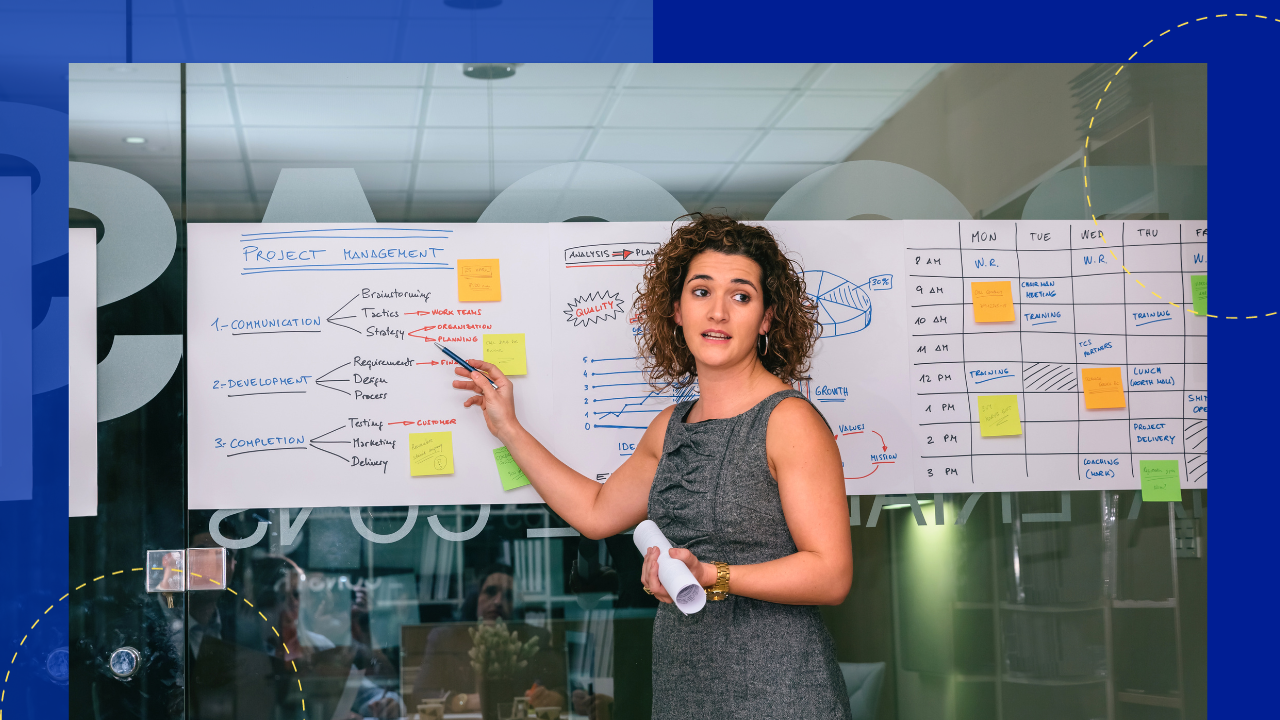
What is project creep and how do you stop it?
Project creep is the slow, uncontrolled growth of a project beyond its agreed scope, and you stop it with clear objectives, tight scope control, and steady monitoring.
- Project creep adds tasks, features, or changes without proper review.
- As a result, it drives up costs, stretches timelines, and blurs deliverables.
- A strong discovery phase and a named project manager keep it in check.
Picture this. You start a project, and everything runs smoothly. Then, suddenly, things drift off course. Changes pile up, and the work pushes past the agreed scope. In short, that is project creep. As a result, it becomes a hidden problem that can badly slow your progress.
In the 457th episode of the Outsource Accelerator Podcast, Rootstack CEO Alejandro Oses explained the challenges of project creep. He also shared how his company manages it well.
What is project creep?
Project creep, or scope creep, is the uncontrolled growth of a project’s scope. Often, it pushes past the first goals and requirements. It happens when teams add tasks, features, or changes without proper review or records. As a result, it can raise complexity, stretch timelines, and blow the budget.
Common causes of project creep
To prevent project creep, you first need to know what causes it. So here are the most common culprits.
Poorly defined project objectives
One main cause is poorly defined objectives. When goals and deliverables are vague from the start, focus slips fast. As a result, scope expands with little to stop it.
Alejandro points to this issue, which he often sees when projects lack defined objectives.
“Many projects in the seniority industry fail due to inadequate discovery. Having a well-defined discovery phase is crucial, similar to planning a building.”
Stakeholder demands and scope changes
Stakeholder demands and scope changes also feed project creep. For example, stakeholders will ask for tweaks or new features. So you need a clear process to weigh each request and its impact on scope.
Inadequate discovery phase and planning management
A weak discovery phase and loose planning set the stage for creep. Without a solid plan and a firm scope process, you lose the ability to track and control changes. As a result, small shifts grow into big ones.
Alejandro highlights what can go wrong when you skip proper discovery and planning. The risks include:
- Increased costs
- Delays
- Misconceptions about deliverables
He adds that, as in building construction, many factors come after a full discovery phase. For example, this includes budgeting and time estimates. Strong project management techniques help you cover them early.
Strategies for preventing project creep
To curb project creep and finish well, try the strategies below.
Hire a project manager
The Rootstack CEO suggests hiring a dedicated project manager to oversee your work. He stresses that a good one can explain how a project is tracking. As he puts it, “A very good project manager can explain how a project works.”
Further, Alejandro says a skilled manager must watch the technical side and the budget. He explains, “[A] project manager should know not only the technical side but also the budget inside, how it’s evolving.” The right project manager tools make that job easier.
Comprehensive project planning
Comprehensive planning is key to stopping project creep. So build a detailed plan. It should set out objectives, deliverables, timelines, and resources. Then review and update it as needed.
Alejandro describes how his company plans. He says, “Our company ensures thorough project completion from our end, and any limitations are not due to staffing constraints.”
He adds that they put a thorough discovery phase first in their agile projects. As a result, they avoid building the wrong thing. This habit matters most in software development outsourcing, where requirements shift fast.
Scope management
Use a firm scope management process. Review and record every proposed change to the project scope. Then make sure each change fits the goals. Finally, approve it through a formal change request. A good project management software tool keeps this trail clean.
Stakeholder engagement
Engage stakeholders throughout the project. That way, you understand their needs and expectations. Clear, regular talks help you spot scope changes early. As a result, you can handle them before they grow.
Alejandro values this flexible approach. He says Rootstack lets clients be creative and adapt as the project moves. In his words, “We let our clients do the type of things. They can be creative. They can have things, they can evolve, they can transform.”
Project monitoring and control
Set up a system for ongoing project monitoring and control. Track progress, budgets, and timelines on a regular basis. Then act fast when the work drifts from the plan. Moreover, Alejandro notes that their billing method fits this agile approach. Teams that rely on agile outsourcing use the same rhythm to stay on course.
Risk assessment and mitigation
Run a thorough risk assessment at the start. First, spot the risks that could trigger scope changes. Then build plans to reduce them. By facing risks early, you can head off project creep.
Prevent project creep to ensure that your projects stay on track
Alejandro sees a link between career success and great delivery. He says project success needs good time management, top quality, and the right team. In his words, “Success basically [] having quality delivered. So, having good project management, the right team, and qualifications are crucial.”
Project creep can threaten any project. Still, you can manage and prevent it with the right habits. So learn its causes and act early. As a result, your projects stay on track and meet their goals.
Frequently asked questions about project creep
What is the difference between project creep and scope creep?
The two terms mean the same thing. Both describe scope that grows without control or review. So you can use either word for the same problem.
What are the warning signs of project creep?
Watch for frequent change requests and a growing task list. Also look for slipping deadlines and a budget that keeps climbing. When these appear together, scope is likely drifting.
Who is responsible for controlling project creep?
First, the project manager owns day-to-day control. Still, stakeholders and the team share the job. As a result, clear roles and a change process matter for everyone.
Can project creep ever be a good thing?
Small, approved changes can improve a result. The danger is change with no review or records. So the goal is control, not a total freeze on every idea.






 Independent






