
Your guide to email monitoring in 2026

What is email monitoring and why does it matter?
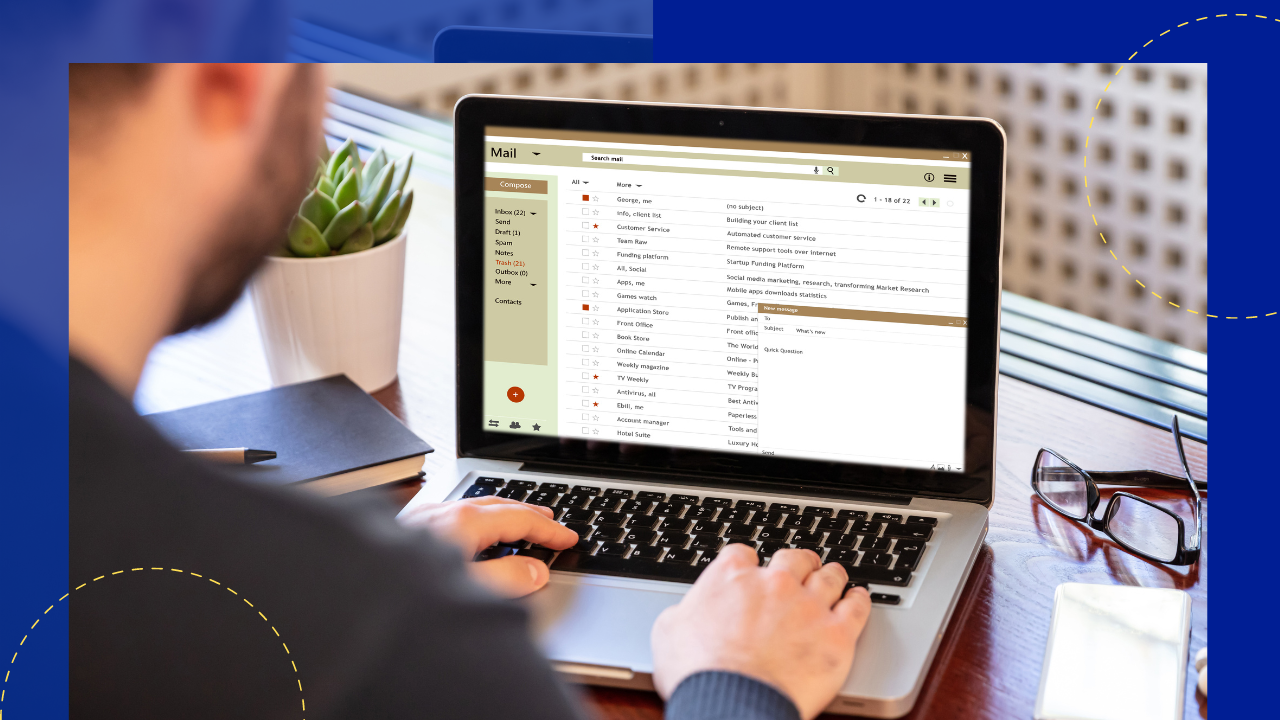
Email monitoring is the practice of tracking and reviewing work emails to protect data, meet rules, and keep staff safe online.
- It helps you spot threats like phishing and data leaks early.
- It supports compliance in fields like finance and healthcare.
- It works best with clear, fair policies that respect staff privacy.
Email monitoring has become a key practice for companies today. In fact, it is now part of how many firms manage their workforce and stay secure. Individuals and teams watch email traffic to catch threats and check performance. With more email attacks happening, it helps to spot and stop them early.
This guide explains email monitoring in plain terms. It also shares the best ways to do it well.
Defining email monitoring
Email monitoring means overseeing, analyzing, and checking email traffic. In short, it tracks and reviews emails to meet policies, rules, and ethical standards.
Firms often use it to protect data, keep output high, and stop breaches. As a result, it helps build a safer work environment.
Still, this practice can raise worries about staff privacy. Fortunately, you can do it the right way with clear screen monitoring policies. Many teams pair it with employee monitoring software to keep things fair.
How does email monitoring work
Email monitoring goes beyond reading messages. It also checks email servers and traffic to spot security, storage, and user threats.
You can do it in a few ways. For example, teams use network monitoring and special tools.
These tools capture, study, and store email traffic. In addition, they can watch content, attachments, and metadata. Using keyword detection, the software flags risks like data leaks or bad content. Once flagged, staff can review those emails and take action.
Legitimate reasons for email monitoring
Some people see email monitoring as intrusive. Still, there are fair reasons to use it at work. So let us look at three key reasons why it helps.
Maintaining security
Security breaches worry both people and firms. For example, Security magazine reports that 52% of employees have fallen for phishing scams. As a result, their company’s data was put at risk.
Email monitoring helps protect data by catching unauthorized access and leaks. So teams can act before harm spreads.
By watching email traffic and using other cyber security measures, firms can spot threats early. In addition, strong cybersecurity best practices make monitoring far more useful.
Complying with regulations
Many fields, like healthcare and finance, have strict data rules. So email monitoring can help firms meet them.
By reviewing email traffic, firms can find breaches and fix them fast. As a result, they avoid legal trouble and keep the trust of customers. Good data security habits support this goal too.
Preventing misconduct
Emails can host bad conduct, such as harassment, bias, or fraud. For example, staff may send rude messages or download bad content on company email.
Email monitoring helps firms catch and stop such acts. So it helps prevent toxic work behavior. In turn, it builds better conduct for everyone.
Email monitoring tools
As noted, firms can use many tools for email monitoring. Below are three common options that teams use today.
Built-in email security suites
Many email security suites include built-in monitoring. For example, they offer real-time tracking, keyword detection, and data leak prevention. In addition, their simple dashboards let teams watch email traffic without slowing down work. So they suit firms that want one platform for both security and oversight. Some also cover remote productivity monitoring tools for hybrid teams.
Teramind
Teramind is a strong email monitoring tool with a broad approach. It goes beyond content checks and adds behavior monitoring. For example, it watches user behavior and flags patterns that seem off.
SolarWinds
SolarWinds is a trusted name in network and email monitoring. Its tools boost security and keep communication smooth.
SolarWinds is strong at metadata analysis. It reviews sender and recipient details, timestamps, and routing data. As a result, it gives a full view of communication flows. In turn, this helps firms spot odd activity and possible breaches.
Conducting email monitoring the right way
Email monitoring is useful, but you must do it fairly. So keep these steps in mind.
- First, set a clear email monitoring policy. It should state the reasons, the scope, and the results of any breach.
- Next, get informed consent from staff before you start. You can do this through clear agreements or policies.
- Also, keep the review process confidential. Only trusted staff should access the emails, with strict limits in place.
- Finally, review and update your policy often. Regular checks keep firms compliant and ready for new risks.
By following these steps, firms can balance safety with respect for privacy. This matters for office teams and remote staff alike. In addition, secure work-from-home software makes fair monitoring easier to manage.
Frequently asked questions about email monitoring
Is email monitoring legal?
In most places, yes. Firms may monitor work email when they have a clear policy and staff consent. Still, rules vary by country, so check local laws first.
What can email monitoring detect?
It can flag phishing, data leaks, and bad content. For example, it scans content, attachments, and metadata. As a result, teams can act before threats spread.
Does email monitoring hurt staff trust?
It can, if done in secret. However, clear policies and consent help keep trust. So openness is the key to fair monitoring.
How do I start email monitoring at work?
First, write a clear policy and share it with staff. Next, choose a tool that fits your needs. Finally, review the setup often and update it as risks change.
Key takeaways
- Email monitoring tracks work emails to protect data and meet rules.
- It helps stop phishing, leaks, and workplace misconduct.
- Common tools include built-in security suites, Teramind, and SolarWinds.
- Clear policies and staff consent keep monitoring fair.
- Regular policy reviews help firms adapt to new risks.






 Independent





