
Empathy in healthcare: Key to improved patient satisfaction


What is empathy in healthcare?
Empathy in healthcare means understanding and sharing a patient’s feelings, then letting that understanding guide their care.
- It builds trust between patients and providers.
- It improves treatment outcomes and satisfaction.
- It brings the human touch back to busy clinics.
Empathy is a key part of the healthcare industry. It shapes the patient experience and the overall quality of care.
In the US, 65% of patients said they would consider switching doctors if physicians and clinic staff were rude. Many said good medical care alone was not enough to keep them. So the way staff treat people really matters.
Empathy in healthcare goes beyond medical treatment. It means connecting with patients on an emotional level. As a result, it can lift satisfaction and trust while improving outcomes. In fact, a culture of empathy can reshape how care is delivered. Many providers now extend this mindset to healthcare outsourcing and support teams too.
This article explores the power of empathy in healthcare. It also highlights the benefits for both patients and providers.
Why empathy in healthcare matters
Empathy is the feeling we get when we see or hear about another person’s experience. It blends compassion and sympathy. The same skill also drives empathy in customer service across every industry.
In healthcare, empathy matters because it helps doctors connect with patients. As a result, treatment outcomes often improve.
When doctors and staff lack empathy, patients may feel ignored. So they may delay care until the pain or discomfort gets serious.
Here are some major reasons why empathy in healthcare matters:
Enhanced patient satisfaction
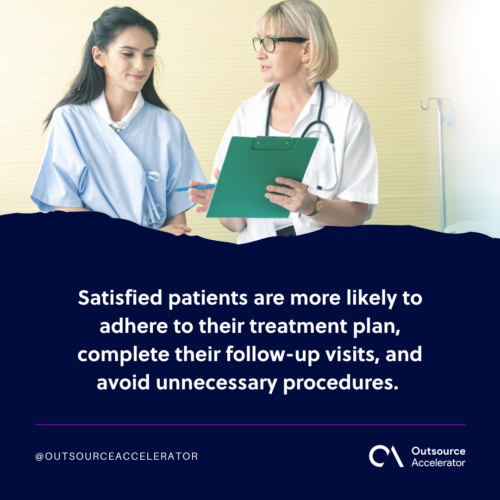
Satisfied patients are more likely to follow their treatment plan. They also complete follow-up visits and avoid needless procedures.
Empathy clears up misunderstandings between a doctor and a patient. As a result, it can also lead to fewer malpractice lawsuits.
Cultural sensitivity and inclusivity
Empathy helps healthcare providers build strong relationships with those around them.
In healthcare, few topics matter more than cultural sensitivity and inclusivity. This is even truer as the world grows more connected.
Cultural sensitivity respects a patient’s beliefs, values, and norms. Inclusivity treats everyone equally, no matter their race or background. So both are vital for excellent care.
Humanizing healthcare
Despite all our ways to communicate, many people still feel a growing sense of isolation and loneliness. So the healthcare industry has a chance to break down barriers and connect on a personal level.
Empathy brings back the human element in a fast-paced, tech-driven field. In short, it reminds staff to see patients as people with unique needs and feelings.
Tips for improving empathy in healthcare
Building empathy in healthcare is key to a caring, patient-centered space. Here are some practical tips for providers to strengthen their empathetic skills:
Active listening
Listen closely when patients speak. Do not interrupt them or jump straight to a solution.
You do not need to solve every problem or know every answer. Just show that you are listening. Afterward, paraphrase what they said. Then ask them how they feel.
Practice perspective-taking
This means picturing yourself in another person’s shoes. So you see things from their point of view.
For example, if a patient misses an appointment, ask yourself why. What might have stopped them from coming?
Often there are many reasons behind their choices. As a result, this habit helps you understand people better.
Cultural sensitivity
People from different cultures may show emotions in different ways. So you must be aware of their background and culture before helping them.
Take time to learn about different cultures, especially those in your community.
Empathetic body language
Use body language that reflects what you hear from the patient. For example, lean forward and keep a gentle expression.
This helps build rapport between staff and patients. In short, it shows that you care about what they say.
Use empathetic words
Use warm, empathetic words when you speak with patients and families about their health. Instead of trying to fix everything, which is impossible, try saying:
- “I’m sorry.”
- “I know how you feel.”
- “This must be hard for you.”
- “I can’t imagine how difficult this is for you.”
Personalize care
One simple way to show empathy is to remember small details about a patient’s life. So show that you care about them as a person, not just a file number.
By building a personal connection, you also learn details that help you prescribe better care.
Ask open-ended questions
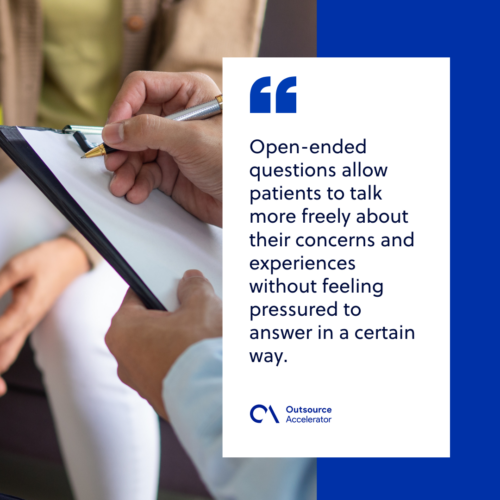
Open-ended questions let patients speak freely about their concerns. As a result, you gather more useful information.
For example, “How is your pain level today?” works better than “Did it hurt today?”
This also gives you space to ask follow-up questions.
Provide emotional support
Be there for patients during hard moments, such as bad news or tough treatment choices. So offer comfort and reassurance as needed.
Do not treat the visit like a business meeting. Patients often face difficult times, and empathy can ease their burden.
Reflect on interactions
Reflect on what you observe. Then ask yourself if you truly understand the situation.
When you can, ask others how they saw and felt about it. As a result, you grow more aware of your own reactions and better at reading others.
Empathy training
Empathy training in healthcare usually focuses on social skills. For example, it teaches people how to spot others’ emotions.
It also builds related skills like communication, conflict resolution, and assertiveness. The goal is to help staff talk with patients about sensitive subjects.
The future of empathy in healthcare
The future of empathy in healthcare looks bright. It keeps gaining ground as a core part of patient-centered care and provider well-being.
As the field evolves, several trends are shaping what comes next:
Emphasis on patient experience
Healthcare organizations now aim for more than high-quality services. They also want a great patient experience. So they respond to patient needs at every touchpoint.
As people grow more aware of their own health, they want more accountability. As a result, many organizations now screen for empathy during hiring.
Technology integration
As technology advances, there is a growing push to build empathy into digital care.
Today, new tools like virtual reality help clinicians add empathy to treatment plans. In addition, these tools make staff more aware of the patient experience and improve communication. Some clinics also use patient call outsourcing to answer questions faster.
Technology also lets staff track certain behaviors, address key topics, and measure progress.
Training and education
To keep empathy central, everyone must understand its value. So this calls for ongoing training and education.
Empathy programs in medical schools need regular updates. For example, workshops, simulation-based learning, and role-play should become standard in medical curriculums.
Frequently asked questions (FAQs)
Why is empathy important in healthcare?
Empathy helps patients feel heard and respected. As a result, they trust their providers and follow treatment plans. This leads to better outcomes and higher satisfaction.
How can healthcare workers show more empathy?
They can listen closely, ask open-ended questions, and use warm body language. In addition, they can personalize care and offer emotional support. Small gestures often make the biggest difference.
Can empathy be taught to medical staff?
Yes. Empathy training builds social skills, communication, and conflict resolution. For example, role-play and simulation help staff practice hard conversations.
How does empathy affect patient outcomes?
Empathetic care improves communication and trust. So patients share more and stick to their plans. As a result, they often recover faster with fewer complications.
Does technology support empathy in healthcare?
Yes, when used well. Tools like virtual reality and telehealth help providers understand and connect with patients. Still, human warmth stays at the center of good care.






 Independent






