
Unleashing the power of storytelling: The role of a storyboard artist
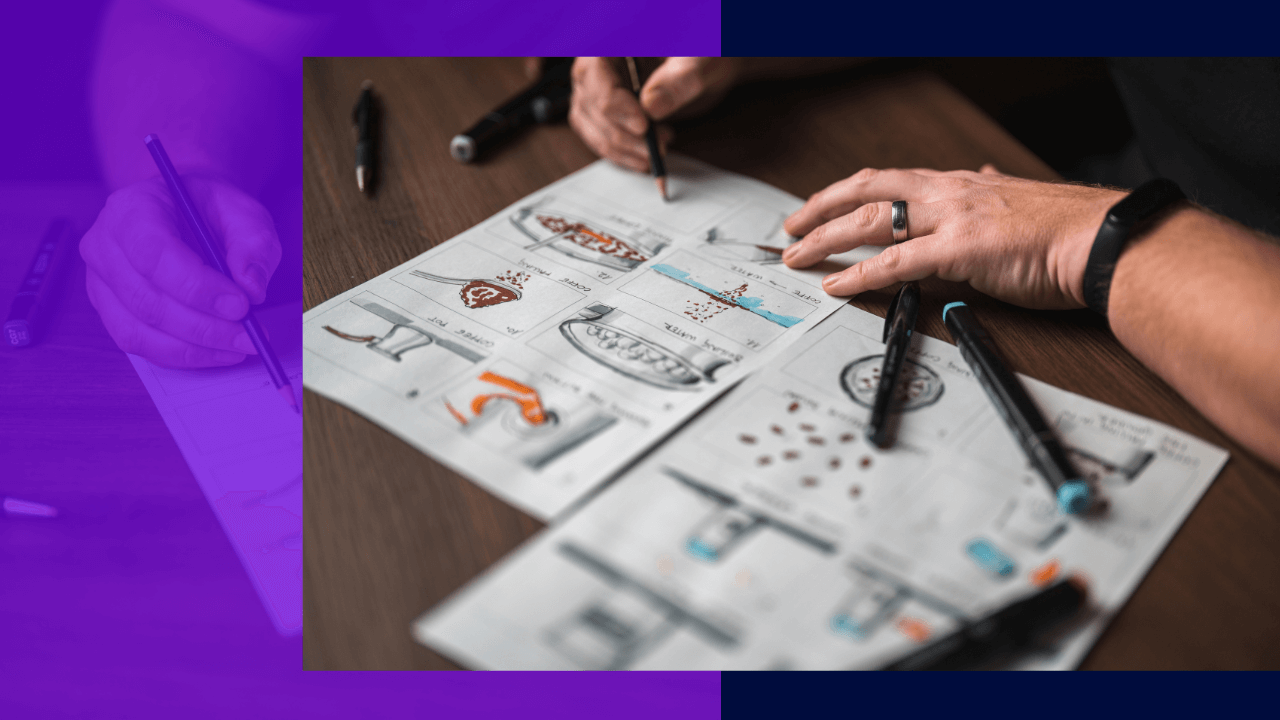
A storyboard artist turns a script into the sketches that guide a whole production. As the saying goes, “A picture is worth a thousand words.” The best visual content in film, TV, and ads often starts from a single drawing. Storyboards map how each shot will come together before filming begins.
A storyboard artist is key to bringing these stories to life. Their sharp eye, creative vision, and technical skill make them a real asset. Sourcefit takes you into the world of storyboard artists and why they matter for strong visual storytelling.
What does a storyboard artist do?
A storyboard artist draws a script scene by scene so the whole team can see the story before it is filmed.
- They plan shots, camera angles, and how the action flows.
- They turn a director’s vision into clear, ordered panels.
- They set the base for animation, editing, and final production.
Understanding the role of a storyboard artist
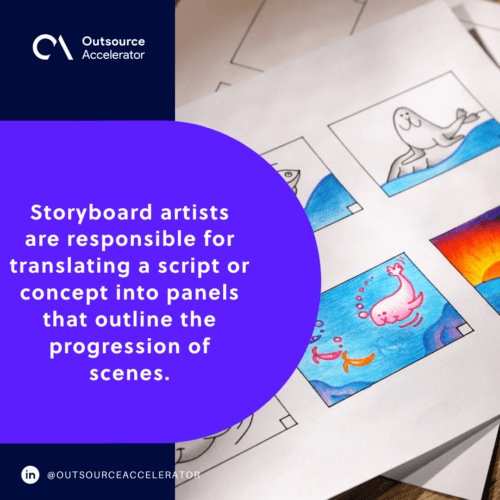
Storyboard artists turn a script or idea into panels. These panels show how each scene moves forward. So they draw the director’s vision as a series of frames. They also plan the flow, which shapes the animation of a video. Through their art, storyboard artists capture the heart of a story. As a result, they lay the groundwork for the whole production. Many teams also fold this work into wider creative services outsourcing plans.
Industries where storyboard artists work
Storyboard artists find work across many creative fields. Some of the top ones include the following:
- Film and television. Storyboard artists are vital in pre-production. For example, they work with cinematographers to plan a scene’s shots, angles, and layout.
- Animation. Animation studios lean on storyboard artists to bring characters to life. In addition, they shape the flow and stress key actions and expressions.
- Advertising. Storyboard artists help build video advertisements. Because time is tight, they break down each commercial by shot and plan the brand’s message.
- Gaming. Storyboard artists shape video games too. So they map story sequences, cutscenes, and character moments.
Demand keeps rising as the animation industry grows across these fields.
Responsibilities of a storyboard artist
Storyboard artists carry many duties. Together, these keep the visual story smooth and strong. Here are five key jobs they take on.
Visualizing the script
A storyboard artist reads the script with care. Then they work with the director to build a visual take on the story. So they make rough sketches for each scene. These set the layout, camera angles, and where each character stands.
Establishing the narrative flow
A key part of the role is a smooth, clear story flow. Storyboard artists weigh pacing, transitions, and the emotional arc. As a result, the visuals match the campaign’s intended message.
Creating dynamic shot sequences
Storyboard artists shine at building dynamic shot sequences. These lift a story’s look and impact. So they pick camera angles, close-ups, and wide shots with care. In animation, their boards guide animators before the real work starts.
Collaborating with the production team
Storyboard artists work closely with many team members. For example, they team up with directors, cinematographers, art directors, and animators. In addition, they join discussions and use feedback to refine the visual story.
Enhancing visual communication
Storyboard artists have strong communication skills. They also grasp visual storytelling deeply. So they share ideas clearly through their drawings. As a result, the whole team can picture the final product with ease. Their work often pairs with a wider multimedia designer role on larger projects.
Why hire a storyboard artist?
A storyboard artist adds real value to any visual project. Here are some strong reasons to hire one.
Enhanced visualization
Storyboard artists can picture a story and turn it into sharp visuals. So their skill adds depth, clarity, and impact to the process.
Creative problem-solving
Storyboard artists show their problem-solving skills when plans change. They use clear thinking to keep production on track. As a result, quick fixes keep the final product true to the vision.
Improved audience engagement
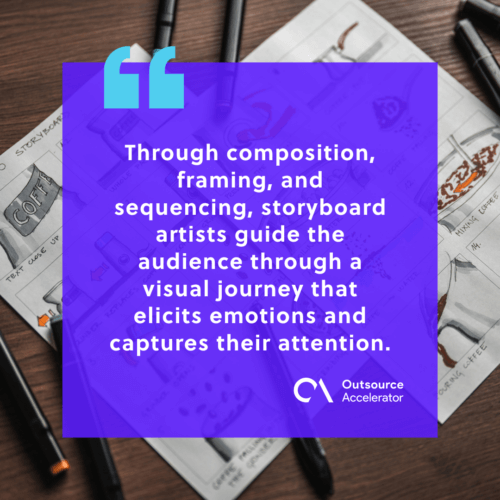
A strong storyboard sets up a gripping, emotional story. Through composition, framing, and order, storyboard artists guide the viewer on a journey. So this journey stirs emotion and holds attention. In turn, that engagement helps deliver the message well. This matters a lot in video advertising, where every second counts.
Hiring a storyboard artist offshore
According to Glassdoor, an average storyboard artist in the US earns at least US$72,000 annually. Many firms lack the budget to hire in-house. So they turn to outsourcing providers as a smart move.
Outsourcing animation and storyboarding gives a low-cost path without losing talent or creativity. Working with artists from other places also brings fresh views and cultural range. As a result, companies tap a wider talent pool. They can pick artists whose style fits the project.
Sourcefit, a leading provider of offshore creative, back office, and marketing solutions, offers high-quality storyboard artists at a fraction of the local cost. Through their agency Outboardz, they help clients find the best talent in the Philippines for advertising and entertainment projects. Visit their website to learn more about their offers and get started.
Frequently asked questions about storyboard artists
What skills does a storyboard artist need?
A storyboard artist needs strong drawing and visual storytelling skills. They also need a good eye for camera angles and pacing. In addition, clear communication and teamwork matter a lot.
What is the difference between a storyboard artist and an animator?
A storyboard artist plans the shots and story flow first. An animator then brings those frames to motion. So the two roles work in sequence.
Do storyboard artists only work in film?
No. They work in film, TV, animation, advertising, and gaming. Because of this, the role spans many creative industries.
How much does a storyboard artist earn?
In the US, the average storyboard artist earns at least US$72,000 a year, per Glassdoor. Rates vary by industry, skill, and location.
Can you outsource storyboard work?
Yes. Many firms outsource storyboarding to cut costs and tap global talent. Providers like Sourcefit offer skilled artists in the Philippines.
Key takeaways
- A storyboard artist turns a script into ordered panels that guide production.
- They work across film, TV, animation, advertising, and gaming.
- Their duties include visualizing the script, setting flow, and building shot sequences.
- Outsourcing storyboard work offers strong talent at a lower cost.






 Independent





