
The power of video advertising in businesses


What is video advertising?
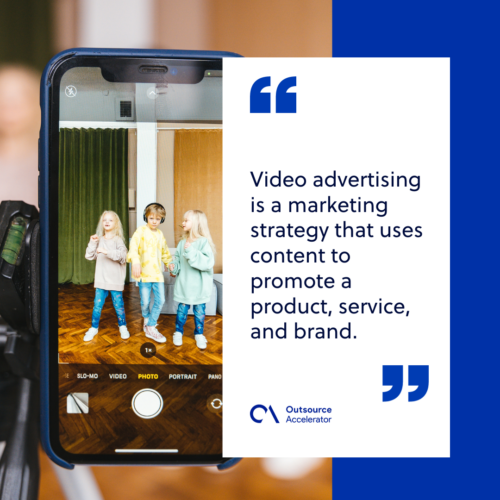
Video advertising is a marketing method that uses short videos to promote a product, service, or brand across digital platforms.
It puts a moving story in front of your audience. As a result, it connects in ways a still image or plain text cannot. Here is why it works so well:
- It grabs attention fast and holds it longer than static ads.
- It runs on many channels, from websites to social feeds to streaming apps.
- It drives action, so more viewers click, sign up, or buy.
In short, video advertising uses content to promote a product, service, and brand. You make videos and share them on digital platforms such as:
- Websites
- Social media platforms
- Streaming services
Think of it as a lively storyteller at the front of your marketing campaign. For example, a 15-second clip can show a product in use, not just describe it. As a result, it pulls people in and keeps them watching.
Types of video advertising
There are several types of video advertising. Each one has its own format and purpose. Here are the most common ones.
Pre-roll ads
Pre-roll ads are short clips that play before the main content. Think of them as the opening act before the main show.
They often come with a “Skip Ad” button. Still, when done right, they are catchy enough that viewers watch to the end.
Mid-roll ads
Mid-roll ads sit inside video content at a natural break. For example, they may play during a pause in a YouTube video. As a result, they feel less pushy than other ad formats.
Post-roll ads
These ads appear after the main video. They may not hold viewers as well as pre-roll ads. However, they still work well when they add useful information or a clear call to action.
In-stream ads
In-stream ads play inside live-streamed content. So they are great for reaching a live, engaged crowd. In addition, they suit real-time promotions and announcements.
Out-stream ads
Out-stream ads are different. They do not need existing video content. Instead, they show up on websites and apps as standalone video ads. As a result, they give you more freedom in placement and still catch the viewer’s eye.
Benefits of using video advertising
Now that we have covered the types, let us look at the main benefits video advertising brings to a business.
High engagement
Video ads hold attention in a way few formats can. They mix visuals, audio, and story. As a result, they build an emotional link that makes viewers want to engage.
Improved conversions
When viewers feel engaged, they are more likely to act. So video ads can lift conversion rates. For example, a viewer may sign up for a newsletter, buy a product, or fill out a contact form. A strong content marketing plan makes those video moments land even harder.
Enhanced brand awareness
Video lets you show your brand’s message and personality with ease. When you keep it consistent, it builds recognition. As a result, you stand out in a crowded market. In addition, video pairs well with influencer marketing when you want faster reach.
Better SEO
Search engines love video content. Pages with video tend to rank higher in results. So by adding video advertising to your plan, you also improve your SEO.
Increased social shares
Engaging video is easy to share across social platforms. When your audience shares your ads, your reach grows. As a result, your brand reaches a wider crowd. Good social media management helps you keep that momentum going.
Video advertising best practices
To get the most from video advertising, follow these best practices.
Know your audience
Understanding your audience is key. First, learn their likes and pain points. Then tailor your video to them. What appeals to one group may not work for another.
Start with a strong hook
You have just a few seconds to grab attention online. So open with a hook that makes people want to keep watching. Next, deliver on that promise fast.
Tell a story
People love stories. We are wired that way. So use storytelling to build a connection. For example, share a short narrative your audience can see themselves in.
Quality production
Invest in good production. Poorly made videos can push viewers away. As a result, your ad should look and sound clean and professional. Many brands outsource their digital marketing to keep production quality high without growing an in-house team.
Branding elements
Do not forget your brand elements. Keep your logo, colors, and tagline the same across every ad. As a result, you reinforce brand recognition with each view.
Partner with 123Employee for successful video advertising
When you run a video advertising campaign, the right partner makes all the difference.
123Employee is a trusted name in digital marketing and video advertising. With its skills and resources, it can help you build and run a winning strategy that fits your goals. So you get expert help without the cost of a full in-house team.
Do not miss the chance to use the power of video with a seasoned partner. Contact 123Employee today to get started.
Frequently asked questions about video advertising
How much does a video ad campaign cost?
Costs vary a lot by platform, length, and production quality. A simple social clip can cost a few hundred dollars. A polished brand film costs much more. Still, many platforms let you set a daily budget, so you can start small and scale as results come in.
How long should a video ad be?
Short is usually better for paid placements. Six to 15 seconds works well for social and pre-roll spots. For example, product demos and explainers can run 30 to 60 seconds. Match the length to the platform and the viewer’s intent.
Which platform is best for video ads?
It depends on your audience. YouTube suits longer, intent-driven views. Short-form apps suit quick, high-frequency reach. In addition, connected TV helps when you want living-room attention. Test two or three channels, then put more budget behind the winner.
How do you measure video ad success?
Look past view counts alone. Track watch time, click-through rate, and conversions. As a result, you learn which creative drives real action. Then refine your hook, length, and call to action based on that data.
Can small businesses run video ads?
Yes. Phone cameras and low-cost editing tools make video far more accessible. So small teams can produce solid ads on a tight budget. For bigger campaigns, a specialist partner can lift quality and save time.






 Independent






