
How AI promotes accuracy and precision in the outsourcing industry
This article is a submission by Clark Staff. Clark Staff is an American-owned remote staffing company that has successfully operated since 2003.
How does AI improve accuracy and precision in the outsourcing industry?
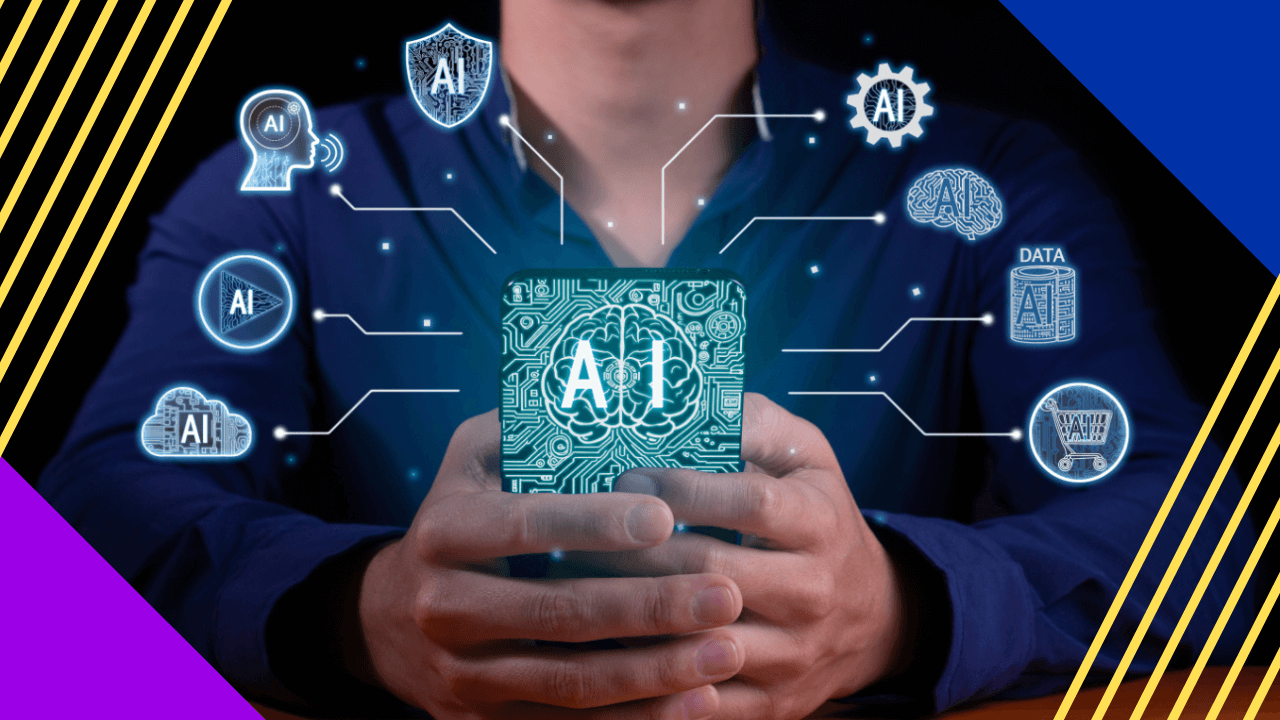
AI improves accuracy and precision in outsourcing by catching errors, predicting quality issues, automating routine tasks, and giving teams real-time feedback.
- AI tools spot and fix errors that human auditors often miss.
- They predict quality problems before they reach the client.
- They also free staff to focus on complex, high-value work.
Many businesses still react to AI in two ways. Some adopt it fast at work, while others deny its value.
This often comes from heavy misinformation about AI across many industries.
Some of these claims center on fear. For example, people say AI will “take over all jobs,” end “human creativity,” or become the “answer to all problems.”
But the truth is simpler. Many firms now use AI to streamline work and serve their market better. In this effort, AI helps manage teams and keep work accurate and precise.
Outsourcing brings many benefits, so it has become vital to business. In fact, it now serves firms of every size, from Fortune 500 names to small and medium enterprises (SMEs).
However, quality assurance (QA) and precision remain top concerns with this model. Thanks to today’s AI tools, outsourcing firms now empower their teams with AI help. Many also treat AI outsourcing as the next step for growth.
AI becoming the ace detective
A study from the Harvard Business Review showed how AI keeps getting better at error detection. With pattern recognition and machine learning, these tools beat human auditors. So they catch and fix errors hidden in complex data sets.
The result? Better quality standards, fewer rework costs, and a real boost in productivity.
With this error detection, more outsourcers now get near error-free output. As a result, their critical business processes stay reliable. To learn the basics, see how machine learning drives these gains.
The Future-proof Business Through AI
AI has also brought big leaps in predictive analysis and quality control.
A study by the Journal of Big Data in 2021 showed AI’s power to predict and stop quality issues early. In outsourcing, this means teams can catch service problems before they spread.
So both providers and clients win. Customer satisfaction rises, and crisis management drops. Clients can also save a lot of money by using AI to lower risk over time. Good predictive analytics tools make this far easier.
AI Automated Tasks
As the MIT Technology Review noted, AI is strong at automating routine tasks. These range from AI chatbots for support to research and analysis, plus handy software plug-ins.
When AI takes on these QA tasks, human agents can focus on harder problems.
The twin win? AI lifts productivity, and it improves precision by cutting human error.
So teams handle more work and serve clients better. As a result, the whole process runs with more efficiency. The benefits of automation show up across the business.
AI as a personal trainer
Interestingly, AI does more than finish tasks. It also provides tailored training and support.
Research on AI-driven employee training shows what this looks like. AI can assess performance, spot weak areas, and suggest personalized training for improvement. So it marks a big step for industry productivity.
One good example is the Intelligent Tutoring System. It gives staff personalized lessons and feedback.
These systems adapt to each person’s style and pace. They find gaps, then offer tailored exercises to build understanding. Along with other AI tools, they help upskill an outsourcing workforce.
Real-time reporting and feedback
Finally, AI’s real-time reporting is reshaping workforce management in outsourcing.
A study from the Journal of Artificial Intelligence and Soft Computing Research showed how real-time data and feedback work. They allow instant fixes and steady improvement in outsourcing services.
These uses include performance monitoring, sentiment analysis, and financial analytics. They also cover security monitoring, live translation, quality control, and transport management.
AI does this by processing huge volumes of data at great speed. As a result, firms make timely calls and respond fast to change. Many support teams now rely on AI in customer service for the same reason.
AI and outsourcing quality assurance
In short, AI plays a vital role in better precision and accuracy in outsourcing quality assurance. It is a real game changer. Its uses run from superior error detection to personalized training.
So AI is reshaping QA in outsourcing. As firms welcome these gains, we move closer to a new era of quality, efficiency, and happy customers.
Still, AI is just a tool to improve work in a high-risk field like outsourcing. The real talent remains the remote staff who use their skills to solve client problems worldwide.
Frequently asked questions
How does AI improve accuracy in outsourcing?
AI uses pattern recognition to scan large data sets for errors. So it flags mistakes that people often miss. As a result, outputs stay cleaner and rework costs fall.
Can AI replace human staff in BPO?
No. AI handles routine checks and data tasks at speed. But people still manage judgment, empathy, and complex problem-solving. So the best results come from humans and AI working together.
What tasks can AI automate in outsourcing?
AI can run chatbots, sort data, and compile research. It can also monitor quality and translate in real time. As a result, agents are freed for higher-value work.
How does AI support staff training?
AI can assess each worker’s performance and find skill gaps. Then it suggests tailored lessons and feedback. So teams upskill faster and with less guesswork.
Is AI worth the cost for smaller outsourcing firms?
Often, yes. AI can cut errors, lower risk, and save money over time. For example, even SMEs can start small with chatbots or analytics tools.






 Independent






