
10 types of entrepreneurship you should be aware of


What are the main types of entrepreneurship?
The main types of entrepreneurship include large company, small business, international, environmental, social, scalable startup, cyber, innovative, techno, and research entrepreneurship.
- Each type suits a different goal, from profit to social good.
- Your choice shapes how you fund, build, and grow the business.
- Strong leaders can succeed in any of these paths.
Every successful organization has a driven, determined entrepreneur behind it. So if you want to explore new opportunities, you have come to the right place.
In this article, we cover the basics of entrepreneurship and its role in business. We also highlight the 10 different types of entrepreneurship.
Finally, we share five key traits to work on as an entrepreneur.
A quick overview of entrepreneurship
Before we dive into the types of entrepreneurship, let us first define it.
Entrepreneurship is the full scope of planning, building, and running a business. In addition, it includes the readiness to face the risks of a fast-changing market.
For example, entrepreneurship happens when a person starts a new business. There are many kinds of businesses, and the same goes for the types of entrepreneurship.
Entrepreneurs can start, run, and grow a business well. So they accept the risks of running a startup and chasing profit.
As an entrepreneur, you should have the skills of an effective and exceptional leader. More so, you should be a driven innovator with a passion for change.

Significance of entrepreneurship in the business world
Entrepreneurship is a key part of the business world. So it supports the following:
Employment generation
Entrepreneurship is a major source of new jobs. For example, many startup businesses offer entry-level roles for people who want to train and gain experience.
Improvement in standard of living
As entrepreneurship opens new jobs, it also gives workers a steady income.
Over time, as staff stay longer, they tend to earn more. As a result, their standard of living rises.
Research and development
Before a company launches a product, it must do deep research and testing first. So entrepreneurs also invest in research institutions or universities to drive that work.
Society and community development
An entrepreneurial company also brings change to society. For example, it can promote better sanitation and improved living conditions in the community.
Innovation
Entrepreneurship drives innovation. This shows up in new products, new technology, and fresh market sectors. To see how fast this space is growing, review the latest entrepreneurship statistics.
10 types of entrepreneurship
Knowing the different types of entrepreneurship helps you decide what business to start.
Below, we outline the 10 distinct types of entrepreneurship:
1. Large company entrepreneurship
Large companies are known for defined life cycles. So they keep growing by making new and improved products. These products build on their original offerings.
In large company entrepreneurship, you focus on current trends, customer needs, and market competition. As a result, these guide your market expansion.
2. Small business entrepreneurship
The idea here is to earn enough revenue to support the owner’s family.
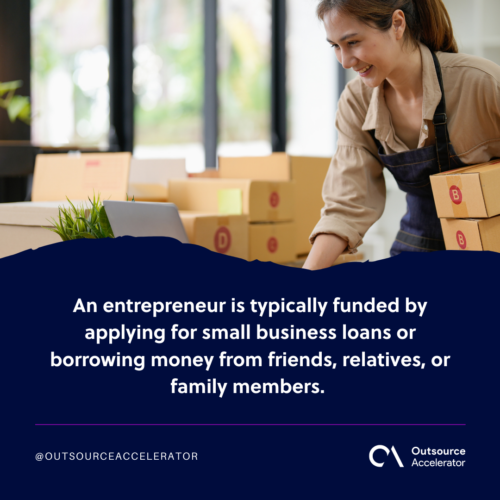
Usually it is funded through small business loans or money from friends and family. In addition, owners often hire relatives or locals to help with daily work.
If you plan to start a small business, you have many venture options. For example, common ones are grocery stores, small boutiques, and plumbing services. A quick guide to small business essentials can help you start on the right foot.
3. International entrepreneurship
International entrepreneurship suits products that sell slowly at home but grow in demand abroad.
These entrepreneurs often start by selling locally. Once they mature, they export to the global market for bigger profits.
You have two options here. First, you can open a physical office in another country. Or, you can simply export your goods.
4. Environmental entrepreneurship
Environmental entrepreneurship is also called green entrepreneurship and ecopreneurship. Unlike other types, its main goal is its impact on the planet and people.
These entrepreneurs offer eco-friendly products and services. So they focus on making a difference rather than chasing profit.
If you are an eco-minded entrepreneur, you might try blogging, building SaaS platforms, or starting a podcast. As a result, you avoid cutting trees or raising the world’s carbon footprint.
5. Social entrepreneurship
Social entrepreneurs aim to solve social problems through their offerings. So they provide products and services that help build a safer world.
Understandably, a social entrepreneur does not chase huge wealth. For example, a non-profit focused on social welfare fits this type well.
6. Scalable startup entrepreneurship
Scalable startup entrepreneurs believe their company can change the world. Usually they hire skilled professionals. In addition, they can seek funding from venture capitalists.
To succeed here, find a gap in the market and solve it. For example, Uber and Facebook are two popular scalable startups. If you want to measure growth, learn the key startup metrics that matter most.

7. Cyberpreneurship
Cyberpreneurship is also known as cyber entrepreneurship. Cyberpreneurs use the information technology (IT) field to start a business. So they use the internet to market and sell their products.
Cyberpreneurship is now a popular trend. As a cyberpreneur, you should know the digital world well. For example, learn from stores like Amazon, eBay, and ASOS.
8. Innovative entrepreneurship
Innovative entrepreneurs always think of better ways to do business and then make them real. So they offer unique products that make life easier, often things no one else provides.
You will need a fair amount of capital to enter this space. For example, Bill Gates is a prime innovative entrepreneur.
9. Technopreneurship
Another term for technopreneurship is technology entrepreneurship. Technopreneurs use technology to build their products and services.
To do well here, you also need tech-savvy staff. More importantly, technology should sit at the core of your company.
10. Research entrepreneurship
Research entrepreneurs believe success comes from good preparation and solid facts. So these people study the market deeply before starting their own business.
As a research entrepreneur, you should rely on logic, facts, and data to shape your venture.
Important characteristics of entrepreneurship
Wherever you fit among the types of entrepreneurship above, work on the traits below to lead well:
Leadership capabilities
A clear vision alone will not make you successful. So you also need to motivate and guide your team toward its goals. Studying proven leadership behaviors can help you get there faster.
Open-mindedness
You should welcome new ideas that could help your company. So listen to your team, and explore wider opportunities.

Know your products and services by heart
As an entrepreneur, you should fully understand what your products do. In addition, you should know whether they still meet your customers’ needs.
Ability to take risks
When you start a business, stay open to risk. Keep in mind that entrepreneurship means accepting the risk of failure.
What matters is that you learn and rise above each setback. So like any journey, you start at the bottom and work your way up.
Flexibility
Along with open-mindedness, stay ready to embrace change. Accept that plans will not always work out. So learn to manage change in your products, services, or plans.
Choosing your type of entrepreneurship
Now that you understand entrepreneurship better, you can start shaping your venture.
Decide which of the types of entrepreneurship suits you best. More importantly, weigh its role in the business world and the traits of a strong entrepreneur, so you can face challenges head-on. If you are still exploring, this guide to startup types is a helpful next read.
Frequently asked questions about types of entrepreneurship
What are the 10 types of entrepreneurship?
They are large company, small business, international, environmental, social, scalable startup, cyber, innovative, techno, and research entrepreneurship.
Which type of entrepreneurship is most common?
Small business entrepreneurship is the most common. For example, it covers shops, boutiques, and local service firms.
What is the difference between social and environmental entrepreneurship?
Social entrepreneurship solves people problems. However, environmental entrepreneurship focuses on protecting the planet.
Do you need a lot of money to be an entrepreneur?
It depends on the type. Innovative and scalable startups often need capital, while small businesses can start with less.
How do I choose the right type of entrepreneurship?
Match the type to your goals, budget, and skills. So think about whether you want profit, social impact, or fast growth.
Key takeaways
- There are 10 core types of entrepreneurship, each with a different goal.
- Small business entrepreneurship is the most common path.
- Innovative and scalable startups usually need more capital.
- Social and environmental types focus on impact over profit.
- Strong leadership and flexibility help in every type of entrepreneurship.






 Independent





