
Culture differences: Breaking barriers


How can you overcome cultural differences at work?
You can overcome cultural differences at work through diversity training, clear ground rules, and team building that helps people understand each other. These steps turn a diverse team into a strength, not a source of friction. So communication improves and work flows better.
- Diversity training helps staff know what to expect.
- Clear rules set shared standards for behavior.
- Team building breaks down bias and builds trust.
Cultural differences at work are common as businesses grow more global and diverse. At times, these differences can lead to friction in the office. Overcoming cultural differences is in the best interest of any business.
Cultural gaps can block clear communication, whether your teams are remote or share an office. So it pays to solve these issues early. This article helps you understand diversity at work and how to make a multicultural team thrive. More importantly, you will learn how to overcome the communication barriers that cultural differences build.
Defining cultural differences
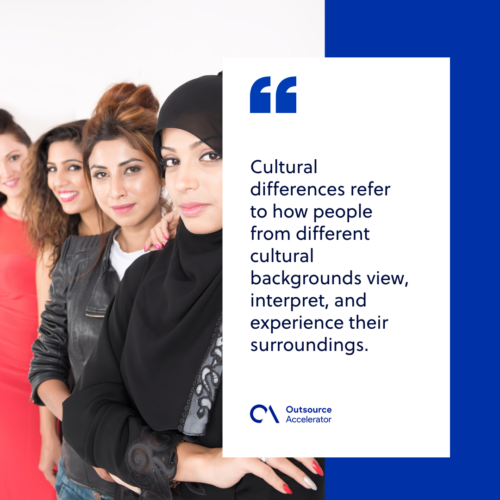
Cultural differences are the ways people from different backgrounds view and experience the world. These gaps can be small, such as food choices. They can also be deep, such as religious or political views.
Culture is dynamic and shifts over time, even if slowly. So people from the same background may still hold different subcultures. Typically, culture differences show up where people from many backgrounds meet. These places often include:
- Educational institutions
- Sports organizations
- Workplaces
You can see these differences in how people deal with others and their setting. More specifically, culture differences show in a person’s:
- Work habits
- Language use and semantics
- Values
How culture differences affect the workplace
The workplace is a common place for cultural differences. As globalization grows, teams within a company become more diverse. Cultural diversity is a welcome change. However, it can cause problems when management is not ready.
Here are some ways culture differences affect a business.
Communication barriers
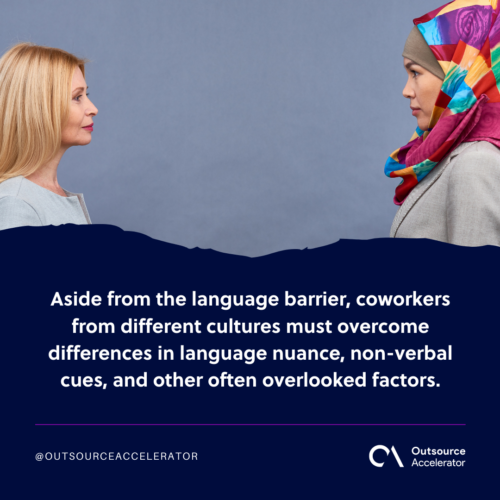
Culture shapes the way people talk. For example, being blunt may be normal in one culture but rude in another. Besides the language barrier, coworkers must also read tone, non-verbal cues, and other subtle signs. As a result, small gaps can lead to mix-ups that slow work down.
Work etiquette
People from different cultures follow different work etiquette. For instance, in some Latin American countries like Brazil, it can be fine to be half an hour late for meetings. On the other hand, people in Germany or the US will apologize for being even five minutes late.
Work-life balance
The idea of work-life balance also differs from culture to culture. So employers with a diverse team should not expect the same work rhythm from everyone. For example, Japan values work so much that it coined the term Karoshi, or “death from overwork.” In contrast, France’s “Right to Disconnect” law lets staff ignore work emails after hours.
Overcoming workplace culture differences
Culture differences can be a real challenge for employers. However, there are ways to make diversity an asset instead of a barrier. Here are some steps to help you overcome workplace culture differences.
Employ diversity training
Diversity training helps firms that face a diverse global workforce for the first time. It helps both managers and staff:
- Know what to expect
- Understand and embrace culture differences
Moreover, diversity training fosters an inclusive company culture. As a result, it also lifts day-to-day employee engagement across the team.
Facilitate team building activities
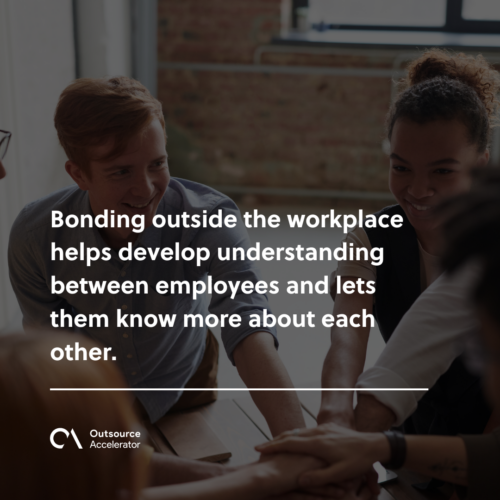
Bonding outside work helps staff understand each other better. More importantly, it clears cultural bias and helps people learn their colleagues’ styles. This matters most for a remote team spread across time zones.
Clearly define and establish rules
Acceptance of cultural differences is key. Still, you should set clear rules on what is and is not acceptable. For example, you can stress the value of punctuality and open communication.
Outsource through SPLACE BPO for a culturally adaptable workforce
SPLACE BPO is among the top-rated business process outsourcing (BPO) providers in the Philippines. It offers services from back-office and e-commerce support to outbound telemarketing.
The company gives clients access to over 250 skilled Filipino professionals with wide corporate experience. These specialists adapt easily to your culture and work as a true extension of your offshore team. Their strong Filipino work values also make them easy to onboard.
Connect with SPLACE BPO now!
Frequently asked questions about overcoming cultural differences
What are cultural differences in the workplace?
They are the ways staff from different backgrounds view work and communicate. These gaps show in habits, language, and values. So they can shape how a team works together.
Why does overcoming cultural differences matter?
It matters because clashes can hurt communication and output. When you bridge the gaps, diversity becomes a strength. As a result, teams work better and feel more included.
How does diversity training help?
Diversity training helps staff know what to expect from each other. It also builds respect for different customs. So it lowers bias and eases teamwork.
Can outsourcing work with a culturally diverse team?
Yes. A good BPO partner trains staff to adapt to your culture. For example, skilled Filipino teams often fit in fast. So they can act as a smooth extension of your business.
Key takeaways
- Cultural differences are common as teams grow more global and diverse.
- They can affect communication, work etiquette, and work-life balance.
- Diversity training, clear rules, and team building help you overcome them.
- Strong management turns a diverse team into an asset, not a barrier.
- A skilled BPO partner can supply staff who adapt to your culture with ease.






 Independent





