
Make multiple timezones work For you

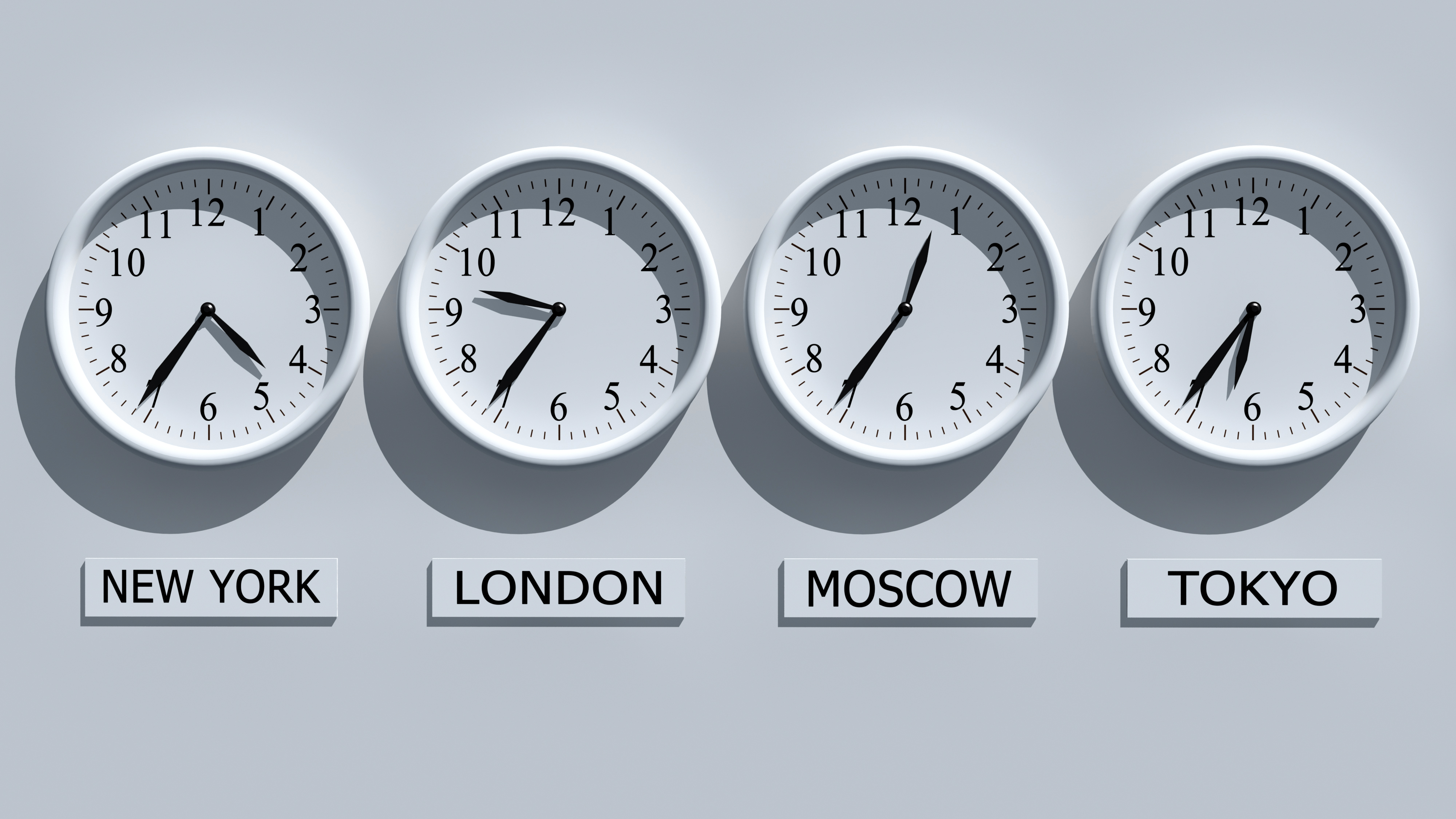
How can you make multiple timezones work for you?
You make multiple timezones work for you by building a follow-the-sun workflow, where an offshore team handles tasks overnight so progress continues while your local office sleeps.
- A timezone gap can stretch your workday well beyond the usual eight hours.
- Work handed off at night is often ready by the next morning.
- Clear handoffs, shared tools, and a few overlap hours keep the model running smoothly.
You may be in the middle of several projects and feel like you are chasing time. However, instead of racing the clock, you can make multiple timezones work for you. When requests land late in the day, they often slip to tomorrow. As a result, you walk in under pressure before the day even starts.
Now picture the opposite. A team worked overnight in another timezone and finished those end-of-day requests. So you get back to your client with real updates, rather than making them wait while you only begin the changes.
A day in a follow-the-sun workflow
It is 9am in Los Angeles. You just reached your desk and opened your email. You have a big project running and not enough hours to finish it. Luckily, your offshore team worked through the night and finished the changes to the app for your morning presentation.
So you walk into the meeting and show the build. The client likes it. Still, they have a few suggestions and want to see the next version tomorrow morning.
You note every change and send it to your dev team at the end of your day. They review your notes, discuss the work, and get started. Meanwhile, you step out for dinner and head home, knowing the work will be ready when you return.
Here is the key point. Your team is not pulling another all-nighter. In fact, your offshore team simply just began their normal workday.
The follow-the-sun advantage
This is one of the biggest benefits of outsourcing across timezones. You can lift your team’s output by stretching the work cycle past the usual 8-hour day. So work moves forward around the clock.
There is a second benefit too. Sending work to another timezone frees you and your local staff to handle other projects and clients. Meanwhile, production continues outside your office hours. For many firms, the offshore outsourcing model turns the time gap into a real advantage.
Destinations like the Philippines make this easy. In fact, many businesses rely on outsourcing to the Philippines to cover overnight hours for Western clients.
Benefits of working across multiple timezones
Longer effective workdays
A timezone gap can turn one shift into near round-the-clock progress. So tasks you hand off at night are often done by morning. As a result, your projects move faster without longer local hours.
Faster response for clients
Overnight work means you reply with updates first thing. For example, a change requested at 5pm can be live by 9am. Clients notice that speed, and it builds trust.
Better focus for your local team
When routine work happens overnight, your core staff can focus on strategy and client calls. In addition, this lift in workplace productivity often shows up within the first few weeks.
Lower cost and easier scaling
An offshore team usually costs less than extra local hires. Moreover, you can scale the team up or down as workloads shift. So you match capacity to demand without overstaffing.
How to manage work across multiple timezones
The model only works with a clear system. So keep these practices in mind.
Write clear handoffs
Each handoff should spell out the task, the context, and the deadline. For example, a short brief with links and examples saves hours of back-and-forth. As a result, your remote team can start right away.
Set a few overlap hours
Try to share at least one or two working hours each day. During that window, you can hold quick calls and clear blockers. So small issues do not stall a whole shift.
Use shared tools
Keep tasks, files, and messages in shared platforms both sides can see. In addition, a single source of truth stops work from getting lost between timezones.
Respect each team’s schedule
Avoid sending urgent pings in the middle of someone’s night. Instead, plan work around each team’s normal hours. As a result, people stay rested and output stays high.
Frequently asked questions about working across multiple timezones
What is a follow-the-sun workflow?
It is a model where teams in different timezones pass work to each other as each workday ends. So a task moves from one region to the next, and progress continues around the clock.
How do multiple timezones improve productivity?
They stretch the effective workday well beyond eight hours. For example, work handed off at night can be finished by morning, which speeds up projects and client responses.
Which countries work well for timezone coverage?
The Philippines, India, and parts of Latin America are popular choices. Each one can cover overnight hours for North American and European clients at a lower cost.
How do you manage a team across timezones?
Use clear written handoffs, a few shared overlap hours, and shared tools. In addition, respect each team’s local schedule so no one burns out.
Is outsourcing across timezones only for large companies?
No. Small firms and solo operators use it too. In fact, even a single offshore assistant can cover overnight tasks and free up your day.






 Independent






