
What the low-touch economy means after the coronavirus lockdown

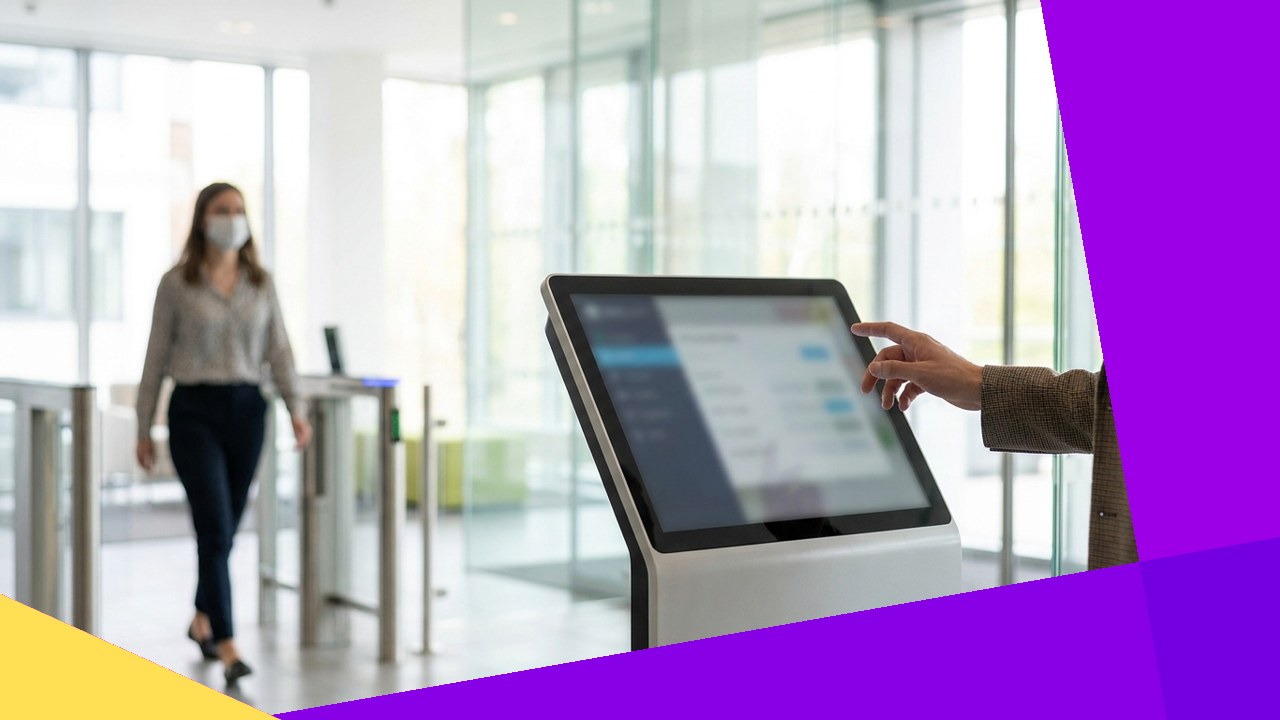
- The low-touch economy describes commerce, service, and work that minimize physical contact through digital channels, contactless payments, and remote delivery.
- Habits formed during lockdown stuck: contactless payments, self-checkout, and online ordering kept growing well after restrictions lifted.
- Companies that built contactless options early protected revenue; those that waited lost customers to faster rivals.
- Outsourcing providers gained a clear role here, running the digital support, payments, and back-office work that contactless operations depend on.
The low-touch economy is the cluster of buying, serving, and working behaviors that took hold during the coronavirus lockdown and then refused to fade.
It covers contactless payment at the register, curbside pickup, video consultations, and remote teams handling work that once happened in an office. What started as a public-health workaround turned into a standing consumer expectation.
McKinsey found that consumers compressed roughly a decade of digital adoption into a few months, and many of those new behaviors held once stores reopened.
For businesses on both sides of the counter, the question stopped being whether to offer low-touch options and became how fast they could scale them.
Why the low-touch economy outlasted the lockdown
The lockdown forced a one-time experiment on nearly everyone at once, and the results changed long-term behavior rather than just pausing it.
People who had never used a grocery app or tapped a phone to pay tried both because there was no alternative, then kept doing so because the experience was faster.
Convenience, not fear, is what made these habits sticky. Once a shopper learns that pickup saves twenty minutes, the motivation outlives the virus.
What changed for consumers
Buyers rewired their default channels during this period. The shift was broad enough to touch categories that had resisted online migration for years, including groceries and household goods.
- Contactless payment moved from novelty to expectation at checkout.
- Self-service options such as kiosks and app ordering reduced reliance on staff.
- Home delivery and curbside pickup became standing services rather than emergency measures.
What changed for companies
Firms that already had digital infrastructure absorbed the demand; the rest scrambled. The gap between the two groups widened fast, and some of it never closed.
According to Grand View Research, the contactless payment market was valued at roughly $34.55 billion in 2021 and is projected to expand at a compound annual growth rate above 19% through 2030.
That trajectory tells operators the contactless channel is a permanent line item, not a temporary cost.
3 ways the low-touch economy reshaped customer experience
The contactless shift did not remove the customer relationship; it relocated it. Service moved from the storefront to the screen, the phone line, and the chat window, which raised the stakes on how well those channels perform.
1. Self-service became the front door
For many transactions, the first interaction is now a screen rather than a person. That puts pressure on interface design and on the support team standing by when self-service stalls.
A clumsy app or a broken kiosk now costs a sale that a friendly cashier might once have saved.
2. Human contact turned into a premium signal
When most service goes contactless, deliberate human attention reads as a deliberate choice. Companies that pair efficient digital channels with genuine human help win on both speed and warmth, an approach explored in OA’s guide to high-touch customer service.
The lesson is balance. Low-touch handles volume; high-touch handles the moments that decide loyalty.
3. Support volume shifted to digital channels
Phone queues gave way to chat, messaging, and email, and the total volume rose as more of the buying journey moved online. This is where many companies turned to outside help, as OA covers in its look at the changing face of customer service in a post-pandemic economy.
Routing that demand to a provider that already runs digital support lines kept response times reasonable without permanent in-house hiring.
High-touch versus low-touch service models
The choice is rarely all-or-nothing; most companies run a blend and decide which interactions belong in each lane. Here is how the two compare.
| Factor | Low-touch model | High-touch model |
|---|---|---|
| Primary channel | Self-service, app, contactless | Person-to-person, dedicated rep |
| Best for | High-volume, routine transactions | Complex, high-value relationships |
| Cost per interaction | Low | High |
| Speed | Fast, scalable | Slower, deliberate |
| Customer perception | Convenient | Personal, premium |
How outsourcing supports the low-touch economy
The contactless front end most customers see depends on a large back end most never do, and a good share of that work is outsourced. Payment processing, order management, digital support, and data entry all expanded as transactions moved online.
Outsourcing providers fit this model well because the work is already digital and location-independent.
A team handling chat support or payment reconciliation does not need to sit near the customer, which is the same logic that powers the broader gig economy platforms now common in flexible staffing.
For providers, the low-touch shift is a growth opening. The skills in demand are the ones BPO firms already sell.
- Digital customer support across chat, email, and messaging.
- Back-office processing for online orders and contactless payments.
- Content and data work that keeps self-service systems accurate.
For companies looking to outsource, the appeal is matching cost to demand. Contactless volume is lumpy, and an outside team flexes with it more easily than a fixed payroll.
Frequently asked questions about the low-touch economy
Here are direct answers to the questions companies and providers ask most about operating in a contactless market.
What is the low-touch economy?
It is the set of commerce, service, and work patterns that minimize physical contact, including contactless payment, self-service ordering, remote delivery, and distributed teams.
It grew out of the coronavirus lockdown and persisted because the behaviors proved more convenient than the ones they replaced.
Is the low-touch economy permanent?
The evidence points to yes for the core behaviors. Contactless payment, online ordering, and digital support kept climbing after restrictions ended, and market forecasts treat them as long-term growth categories rather than pandemic spikes.
How does the low-touch economy affect outsourcing?
It increased demand for digital support, payment processing, and back-office work, all of which are commonly outsourced. Providers that handle online interactions and contactless transactions saw their services become more central to how companies operate.
Does going low-touch mean losing the human element?
Not if it is designed well. The strongest companies use low-touch channels for routine volume and reserve human attention for complex or high-value moments, so service feels efficient without feeling cold.
Key takeaways
The low-touch economy is now the baseline customers measure companies against, and the operators who treat it that way are pulling ahead.
- Low-touch behaviors that started in lockdown have held, and contactless commerce keeps growing.
- The smartest companies blend low-touch volume handling with high-touch attention where it counts.
- Digital infrastructure decides who wins; firms that built it early kept their customers.
- Outsourcing providers are well placed to run the contactless back end, and companies gain flexibility by sending that work out.






 Independent





