
The data advantage: The impact of data analysis in running your business

What is the impact of data analysis on running a business?
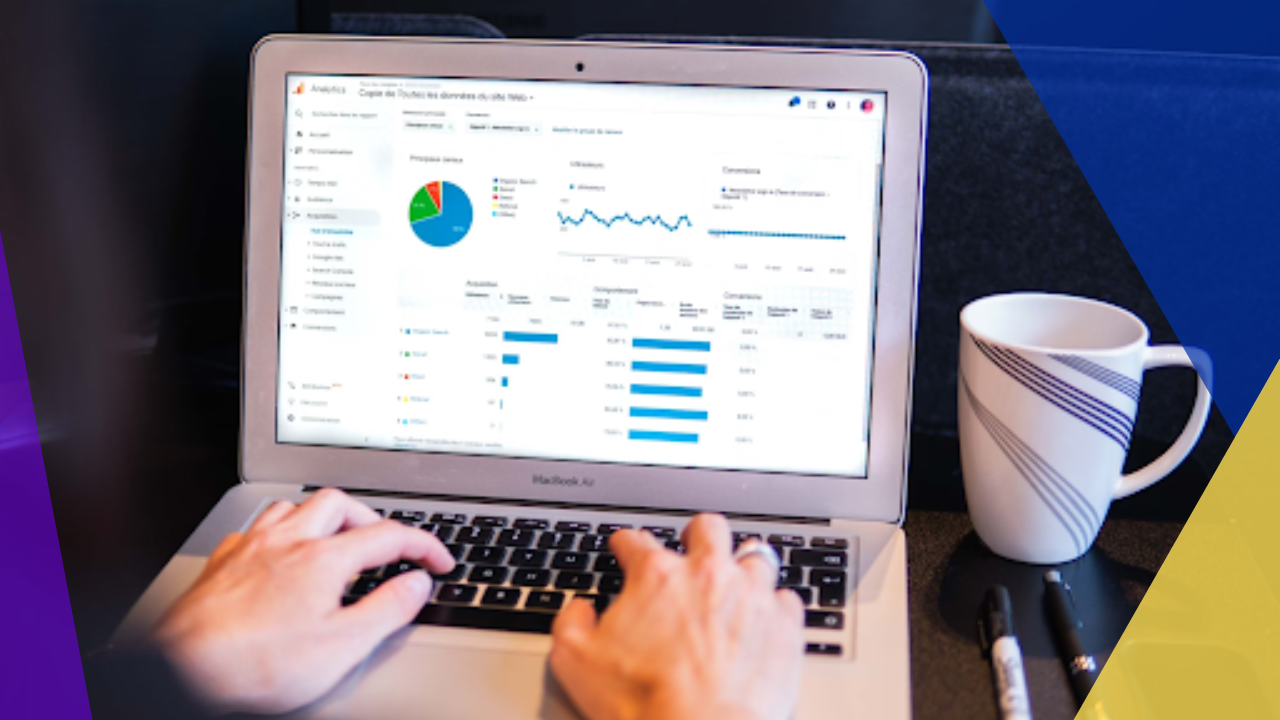
The impact of data analysis is that it turns raw data into clear insights, so business leaders can make smarter, evidence-backed decisions.
- It reveals patterns that guide better strategy.
- It helps cut costs and lower business risk.
- It improves customer experience and drives growth.
Today’s business world keeps changing and growing more competitive. New technology arrives fast. As a result, firms across many industries find fresh ways to grow and improve how they work.
One key method is data analysis. In 2022, the global big data analytics market reached a value of $271.83 billion. By 2025, that figure had grown to about $394.70 billion, and it keeps climbing.
Big data is now easy to collect and use. As a result, firms can apply it to daily work with real impact. Read on to learn what data analysis is and how it can help you run your business. For a deeper dive, big data consulting can help firms turn raw numbers into a real edge.
Understanding data analysis
Data analysis is the process of examining, organizing, and modeling data. Its goal is to find useful insights and support better decisions. So it uses many tools and methods to spot patterns and draw conclusions.
This process gives raw data real meaning. As a result, people and firms can make more informed, evidence-backed choices.
Working with large data sets needs a clear, step-by-step process. This keeps the work accurate and cuts mistakes. Here is an overview of the basic steps.
1. Requirement gathering
First, define your project’s goals and needs. This step shows what data you need to seek and collect.
So it helps to know your purpose up front. In addition, list the questions you must answer. As a result, you set a clear course for the whole process.
2. Data collection
Next, gather the data you need. For example, you may pull from databases, spreadsheets, or other sources. In addition, you can collect data through surveys, interviews, and questionnaires.
Then check your sources and tools before you start. This makes sure they are sound and relevant. After all, poor data quality can hurt the accuracy of your results. Many firms use data management outsourcing to keep this step clean and reliable.
3. Data cleaning
No matter how careful you are, you must still clean your data. Data is rarely perfect. Often, it holds errors, missing values, and gaps.
Data cleaning finds and fixes these issues. Some people call it data cleansing or scrubbing. As a result, your data becomes reliable and ready for accurate analysis.
4. Data analysis
Once your data is clean and organized, analysis can begin. This step uses statistical and machine-learning methods. So it helps you find patterns, links, and trends in the data.
Your goals shape which method you use. Here are a few common types of data analysis:
- Descriptive analysis. This type sums up the main features of a data set. For example, charts and graphs help share these features clearly.
- Diagnostic analysis. This type digs into cause and effect. So it aims to explain why certain patterns appear. As a result, firms can find the root cause and plan fixes.
- Predictive analysis. This type uses past data to forecast future trends. For example, it can predict customer behavior and market shifts. Many teams rely on predictive analytics tools for this work.
- Prescriptive analysis. This type goes beyond prediction and suggests actions. So it weighs different scenarios. As a result, it guides leaders toward the best next step.
5. Data interpretation
Interpreting your results is a key step for real, usable insights. In short, it means you understand what your patterns and trends mean.
So put your findings in the context of your firm’s goals. As a result, you and your stakeholders can make smarter, data-driven decisions.
6. Data visualization
Large blocks of text and numbers are hard to grasp. So data visualization can make your analysis clearer. As a result, more people can understand it fast.
Charts, graphs, and other visuals share complex ideas in a simple way. In addition, they improve communication among stakeholders. Because of this, teams make better decisions. A skilled data visualization analyst can turn dense reports into clear, useful visuals.
For better data analysis results, many businesses offshore specialists through leading third-party providers such as Clark Staff.

Benefits of data analysis in business management
Data analysis has proven vital in business. Above all, it supports informed decisions and strong strategy. So it unlocks several benefits with a real impact on management. Here are some key advantages.
Personalizing customer experience
One big benefit is a more personal customer experience. Today, buyers expect firms to tailor what they offer. So personalization drives loyalty and attracts new customers.
By studying customer behavior and feedback, firms can shape their products and marketing. As a result, they meet real needs. In addition, this lifts satisfaction and builds long-term loyalty.
Streamlining internal processes
Data analysis can also improve your internal processes. For example, it helps spot bottlenecks and waste. So firms can see exactly where to improve.
They can then use this insight to streamline workflows. As a result, productivity rises and costs fall. In addition, the business grows more agile and quick to adapt.
Identifying business opportunities
Firms can also use data analysis to look outward. In short, it helps them spot new chances to grow. For example, they can study market trends, buyer behavior, and rival activity.
So this proactive approach pays off. As a result, brands can launch new products or enter fresh markets. In turn, they gain a real competitive edge. A clear business intelligence strategy makes these opportunities easier to find.
Mitigating risks
Every business faces some risk. So owners and managers must stay aware of it. In addition, they need clear measures to limit or respond to it.
Data analysis helps firms spot risks early. For example, it studies past data to predict future scenarios. These may include financial risks, market swings, or outside threats.
As a result, you can act with a plan. In turn, these steps boost your resilience. Because of this, your firm can handle challenges with more confidence.
Enhancing security
Data breaches and cyber threats worry many firms today. In one recent year, 1,802 cases of data compromises were recorded in the United States. In addition, over 422 million people fell victim to these events.
So data analysis plays a key role in security. It watches data for odd patterns or activity. As a result, your firm can spot and stop threats fast.
This proactive approach protects sensitive information. In addition, it guards your operations. Because of this, it also builds trust with customers and stakeholders.
Leverage data for optimization
Data analysis offers many gains to businesses. In short, it gives you the tools to thrive in tough markets. So a clear grasp of the process helps you get the most from it.
A systematic approach also pays off over time. As a result, you gain a competitive edge and build long-term success in your field.
For better outcomes, offshore to premier third-party service providers like Acquire Intelligence (formerly Acquire BPO)!
Frequently asked questions
What is data analysis in simple terms?
It is the process of turning raw data into clear insights. So it helps you spot patterns and trends. As a result, you can make better, evidence-backed choices.
How does data analysis help a business?
It supports smarter decisions across the firm. For example, it can lift customer experience and cut costs. In addition, it helps spot new opportunities and lower risk.
What are the main types of data analysis?
There are four main types. First, descriptive analysis sums up the data. Next, diagnostic analysis explains why things happen. Finally, predictive and prescriptive analysis forecast trends and suggest actions.
Can businesses outsource data analysis?
Yes, and many do. For example, they offshore specialists through third-party providers. As a result, they gain skilled talent without the cost of a full in-house team.
Key takeaways
- Data analysis turns raw data into insights that guide smarter decisions.
- The process runs in clear steps, from gathering data to visualizing it.
- Its benefits include better customer experience, lower costs, and less risk.
- Strong analysis also improves security by catching threats early.
- Many firms offshore data specialists to get expert help at lower cost.






 Independent





