
How cybersecurity threats are putting online businesses at risk

This article is a submission by 20four7VA. 20four7VA is a trusted remote hiring company specializing in cost-effective, end-to-end offshore contract staffing solutions to all businesses worldwide.
Small businesses are major targets of cybersecurity threats. Accenture‘s study found that 43% of cyber attacks hit small businesses. Even worse, only 14% of them take real steps to fight back.
With so many costs to weigh, security often sits near the bottom of the list. As a result, many owners put it off.
This gap leads to more weak spots. In turn, more weak spots mean a higher risk of attack.
Sadly, few owners know how to guard against hackers, and fewer grasp the cost of weak security. So if you want your business to last, invest in cybersecurity from the start.
What are the biggest cybersecurity threats to online businesses?
The biggest cybersecurity threats to online businesses are ransomware, social engineering, and supply chain attacks, and strong basic habits stop most of them.
- Ransomware locks your data until you pay to get it back.
- Social engineering tricks people into handing over private details.
- Supply chain attacks hit through third-party vendors and software.
What is cybersecurity?
At its core, cybersecurity is any practice that guards a business from digital threats.
Some steps are simple. For example, you can set strong passwords, turn on your firewall, and keep private data safe. Bigger steps include cloud and operational security, plus staff training on cybersecurity best practices.
Every step you take protects your data and your name. As a result, it keeps you farther from the reach of criminals.
The value of strong security is hard to overstate. Many owners think they are too small to be a target. However, that belief can lead to serious harm down the road.
Good security protects your own data and your customer information. In addition, clients prefer to deal with firms that keep good cyber hygiene.
So security is not just about assets. It is also about keeping your business alive for the long run.
3 biggest cybersecurity threats
Cybersecurity threats can cause heavy financial and reputation damage. According to BusinessDasher, small and medium businesses lose around $25,000 from cyber attacks.
The harm goes beyond money. Hackers can wreck your brand or use your data to target customers. As a result, people may lose trust in your product or service.
Customers who feel unsafe may switch to rivals. Meanwhile, bad word of mouth can spread fast and widen the damage.
The harm can reach partners, investors, and staff too, who may doubt that you can protect their data.
Rebuilding trust after a breach often takes years. Sadly, some firms never fully recover their good name.
Cybersecurity threats keep getting more complex and hostile. For example, ransomware damage is predicted to cost victims around $275 billion a year by 2031, according to Cybersecurity Ventures.
Meanwhile, social engineering and supply chain gaps exploit human and third-party weak spots. These threats strain larger firms as well.
Here are the three big cybersecurity threats to watch for:
Ransomware
Ransomware encrypts private data and demands a ransom. You get the decryption key only after you pay.
Criminals may target your customers’ or investors’ data and extort large sums. This attack has many variants, and each one can do heavy harm.
Even large firms are not safe. In early 2022, a ransomware group attacked Nvidia.
The group leaked passwords and threatened to leak source code and other key data. As a result, the attack disrupted Nvidia’s work for almost two days.
Social engineering
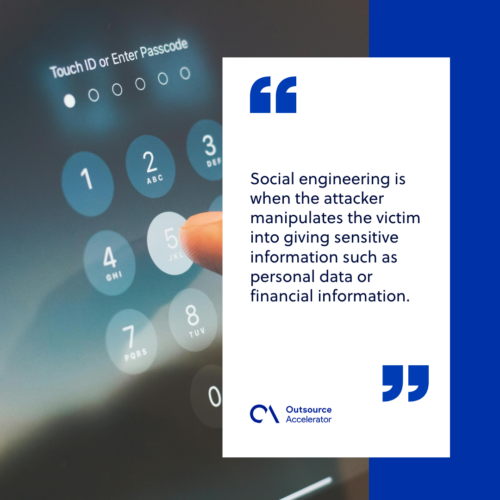
Social engineering tricks a victim into sharing sensitive data, such as personal or financial details. What sets it apart is simple. It exploits human psychology, not the safeguards around the data.
Phishing is the most common type. “Phishers” often reach victims by SMS or email.
In 2023, the IT firm Okta had customers hit by a clever social engineering scheme. The attackers posed as Okta staff to steal customer access and credentials.
Supply chain attacks
Supply chain attacks hit the making and shipping side of a business. Attackers often target third-party vendors to reach customer data.
These attacks can cause delays or stop product delivery. As a result, they can harm the customer experience and cut customer trust.
In 2017, the credit bureau Equifax was breached after it failed to fix a known flaw. The breach hit almost 147 million customers.
This is a firm reminder to patch your software supply chain. A single data breach can undo years of trust.
The countermeasures you need to take now
Small businesses need countermeasures to protect themselves and their customers.
Simple steps make a big difference. For example, use strong passwords, turn on two-factor authentication, and keep software current.
Every small measure adds up. By taking basic steps, small firms become safer and less exposed. For wider coverage, many turn to outsourced cybersecurity services.
Have good cyber hygiene
Good cyber hygiene keeps your system safe and ready for attacks. First, install reliable, up-to-date antivirus software to guard against malware and other threats.
Multi-factor Authentication
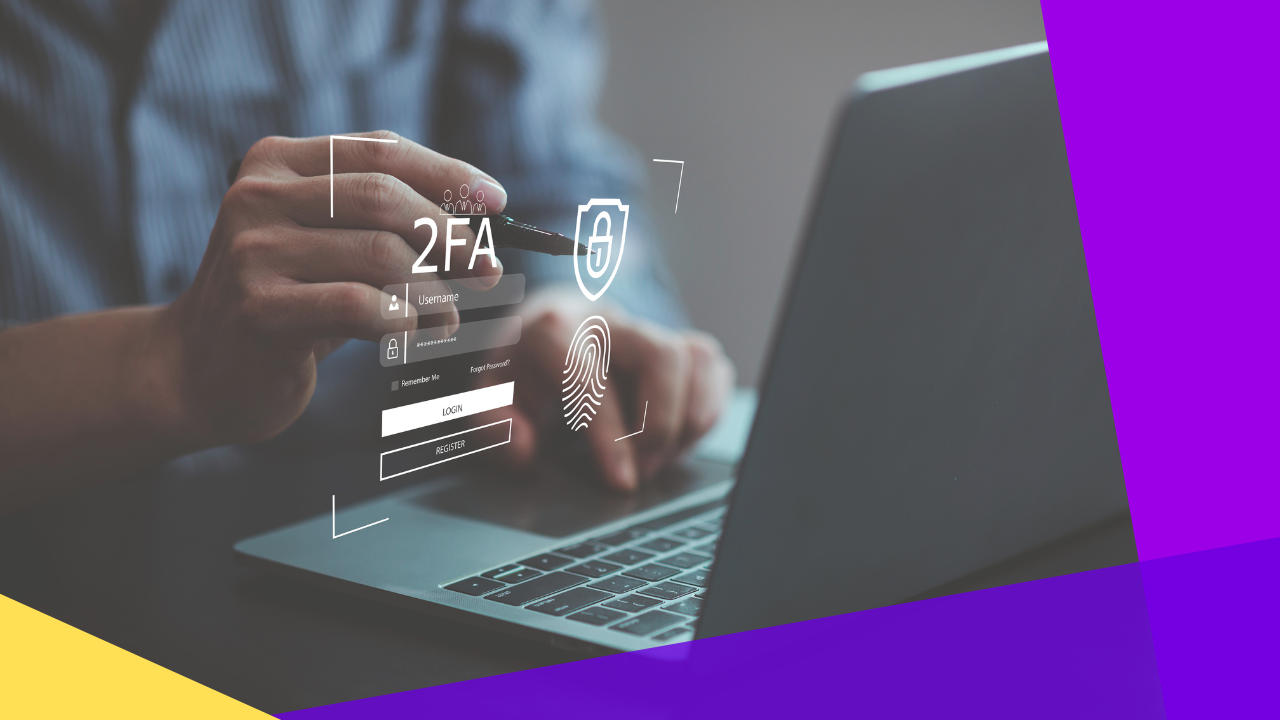
Multi-factor authentication (MFA) adds an extra layer of security. It asks users for two or more forms of ID, such as a password and a code sent to their phone. So attackers find it much harder to get in.
As a result, it also deters many threats before they start.
Strong passwords
‘123456’ or ‘Password’ is never strong. A strong password is long and unique. It mixes upper and lower case letters, numbers, and special characters.
Use a different password for each account too. That way, one leak will not open every door. Experts differ on how often to change passwords. Some say every 90 days, while others suggest every few months.
Regular backup
If files or systems are hit, a backup lets you restore data fast and cut downtime. So small firms should back up financial records, customer data, and key files often.
Cloud or off-site backups work best, since they are easy to reach and help guard against theft. In addition, test your backups often to avoid big losses later.
Update your hardware, software, and firmware
Software patches fix security flaws and bugs that slow your work. Firmware updates are similar, but they apply to the low-level code inside hardware like routers or motherboards.
Replacing old devices keeps your setup secure and compatible with new patches. Remember, outdated hardware is a prime target. So it is better to invest now than to pay for the fallout later.
Train your employees about cybersecurity
Small businesses need to involve their team in security. Employees are your first line of defense, so they must know the attacks they may face. Clear rules for data security in outsourcing help remote teams stay aligned too.
A set of guidelines keeps everyone on the same page. As a result, the whole team helps protect company data.
Part of training means enrolling staff in courses and asking for their feedback. These courses can cover email habits, phishing scams, and patch updates.
Feedback also helps. It shows where staff struggle and where more training may be needed.
Protecting against cybersecurity threats
Security is not a one-time job. Instead, it is an ongoing process of adapting and improving. As threats grow more complex, firms must track new trends and keep learning. Following cybersecurity best practices keeps that effort on track.
To save time and raise security, small firms can outsource an IT specialist. A remote specialist can watch systems for weak spots, set up defenses, and tailor best cybersecurity practices for the whole team.
With their help, you are better set to prevent and respond to attacks. As a result, you gain stronger, long-term security.
Cybersecurity threats FAQs
Why do hackers target small businesses?
Small firms often have weaker defenses and less staff training. So they are easier to breach than large companies. Yet they still hold valuable customer and payment data, which makes them worth the effort.
How much does a cyber attack cost a small business?
Costs vary, but they add up fast. BusinessDasher reports that small and medium firms lose around $25,000 per attack. On top of that, you may face downtime, lost sales, and lasting damage to your name.
What is the easiest way to improve cybersecurity?
Start with the basics. Use strong, unique passwords and turn on multi-factor authentication. Then keep your software and devices up to date. These simple habits block most common attacks.
Should small businesses outsource cybersecurity?
Often, yes. A remote IT specialist can monitor your systems and set up strong defenses. This saves time and brings in skills that a small team may lack.
How often should employees get security training?
Train staff at least once a year, and more often if threats change. Regular sessions keep phishing and safe habits top of mind. In addition, ask for feedback to see where more help is needed.






 Independent






