
8 hidden employment identifiers to watch out for


What is hidden employment, and how do you spot it?
Hidden employment is when a worker does full-time employee duties but is wrongly labeled a freelancer or contractor to dodge benefits and taxes. You spot it through clear warning signs before you accept a job.
- The pay, schedule, or hiring process feels off.
- There is little onboarding and a weak online presence.
- The role does not match your skills or the company’s real needs.
Some companies try to cut costs and hire faster. As a result, one shortcut they reach for is hidden employment.
People who fall into this scheme lose time and effort. Worse, they miss the chance to grow in a career that fits their skills.
Job seekers should know it is illegal to work where the employer keeps your income off the record. It is also risky to join a firm with an unclear labor policy and vague regulatory compliance. So this article explains what hidden employment is, how to spot it, and how to avoid the scam.
Defining hidden employment
Hidden employment is mainly called disguised employment. In short, it means staff work full-time but get no employee benefits.
This setup often looks like a contract or freelance job. However, a real employer-employee relationship exists underneath. In other words, workers do employee duties but are misclassified as freelancers or self-employed.
Employers do this to save on taxes or employee contributions. At first, it sounds smart for the business. However, governments ban it. The reason is simple: it skips mandatory benefits and breaks tax laws. It also overlaps with worker misclassification, which brings real legal risk.
There is also hidden unemployment, or disguised unemployment. This is when able and willing workers are left out of official jobless data.
It can happen when people stop looking for work. Often, they give up because jobs are scarce or other factors weigh them down. So although they are jobless, they are not counted. As a result, a “hidden” group of the workforce still faces unemployment.
8 ways to identify hidden employment
Easy-looking job offers can sway many people. The job may seem safe and simple. However, in most cases it is not, much like disguised employment. Here are eight ways to spot hidden employment.
1. Too-good-to-be-true job offers
First, make sure the company truly needs your skills. Remember that employee misclassification links closely with hidden employment. It happens when staff are placed in roles that do not fit their skill set. In addition, they may lack basic employee protection. It also helps to know the difference between a subcontractor and an employee.
So take these precautions before you accept an offer:
- Inaccuracy. The role does not match the company’s goals or your career path.
- Job postings promise easy work. A light workload with a big salary is not proof of a real offer.
Instead, study the offer closely. Also, read reviews to check if it is a good workplace to start your career.
2. Lack of onboarding process
The main goal of the onboarding process is to help staff learn their roles. It makes sure they know what matters and how to do their jobs well. However, without good onboarding, new staff take a long time to adjust.
3. Unusual work location
A good work setting reflects an individual’s professionalism. So be cautious with a firm that places staff in odd spots, like a basement or lounge. The exception is when it truly fits your role.
4. Lack of website presence
When you research a company, check for a digital presence. If there is none, the firm is either unwilling or unable to afford one. However, if it is a brand-new company, that is a fair point to weigh.
5. Work has an unusual schedule
A random schedule can be a red flag. Often, it means the company cannot find enough work to keep staff busy.
6. Requires excessive overtime
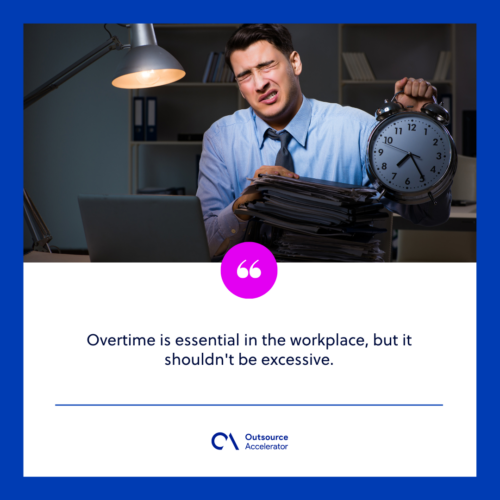
Overtime is normal, but it should not be extreme. A work-life balance is vital to employee health. So if an employer wants long hours but will not pay fairly, that hints at hidden employment.
7. The hiring process is strange
Before you apply, check the company’s hiring process. Make sure it has a real track record of finding the right people. For example, one warning sign is odd interview questions that have nothing to do with the job.
8. Payment doesn’t make sense
A legit company will never ask candidates or new hires for personal payments. When it comes to your paycheck, the math should be simple. It should match the hours you worked, with no surprise deductions. This is also where the gap between a 1099 and a W-2 employee matters most.
3 tips to avoid hidden employment
Here are three key tips to dodge disguised employment scams.
Do some research
Always research before you start a work relationship. As a result, you spot potential company red flags early. It also pays to compare roles, such as freelance, full-time, and contractor work, so the label matches the job.
Contact them directly
Some business websites are not real companies. Instead, they are fronts for fake freelance jobs. So do not rely on recruiters or middlemen who promise the best offers by email.
Don’t be afraid to inquire for more info.
Ask the employer for more details about the role. This is important for both sides. However, firms that use hidden employment rarely answer questions or share details. If the role is remote, learn how a remote employee differs from a contractor before you sign.
Frequently asked questions about hidden employment
Is hidden employment illegal?
Yes. It skips mandatory benefits and breaks tax laws. As a result, both the employer and the arrangement can face penalties.
What is the difference between hidden employment and freelancing?
A true freelancer controls their own work and clients. In hidden employment, the worker acts like an employee but gets no benefits. So the label hides a real employer-employee bond.
How can I protect myself from hidden employment?
First, research the company and read reviews. Next, ask direct questions about pay, benefits, and status. Then walk away if the answers are vague.
What are the biggest red flags of hidden employment?
Watch for odd pay, strange schedules, and weak onboarding. In addition, a missing website and unrelated interview questions are warning signs.
Who is most at risk of hidden employment?
New job seekers and remote workers face the most risk. Often, they accept quick offers without checking the details. So caution and research matter most for them.
Key takeaways
- Hidden employment misclassifies real employees as freelancers to skip benefits and taxes.
- It is illegal and can bring penalties for the employer.
- Warning signs include odd pay, strange schedules, and weak onboarding.
- Research, direct contact, and clear questions help you avoid the scam.
- When in doubt, walk away from a vague or too-good offer.
Check the signs to avoid hidden employment scams
Hidden employment carries real risks and penalties. The reason is its non-compliant nature with government rules. So review the signs above to protect yourself. As a result, your job search stays safer and more rewarding.






 Independent





