
7 challenges of offshoring business processes

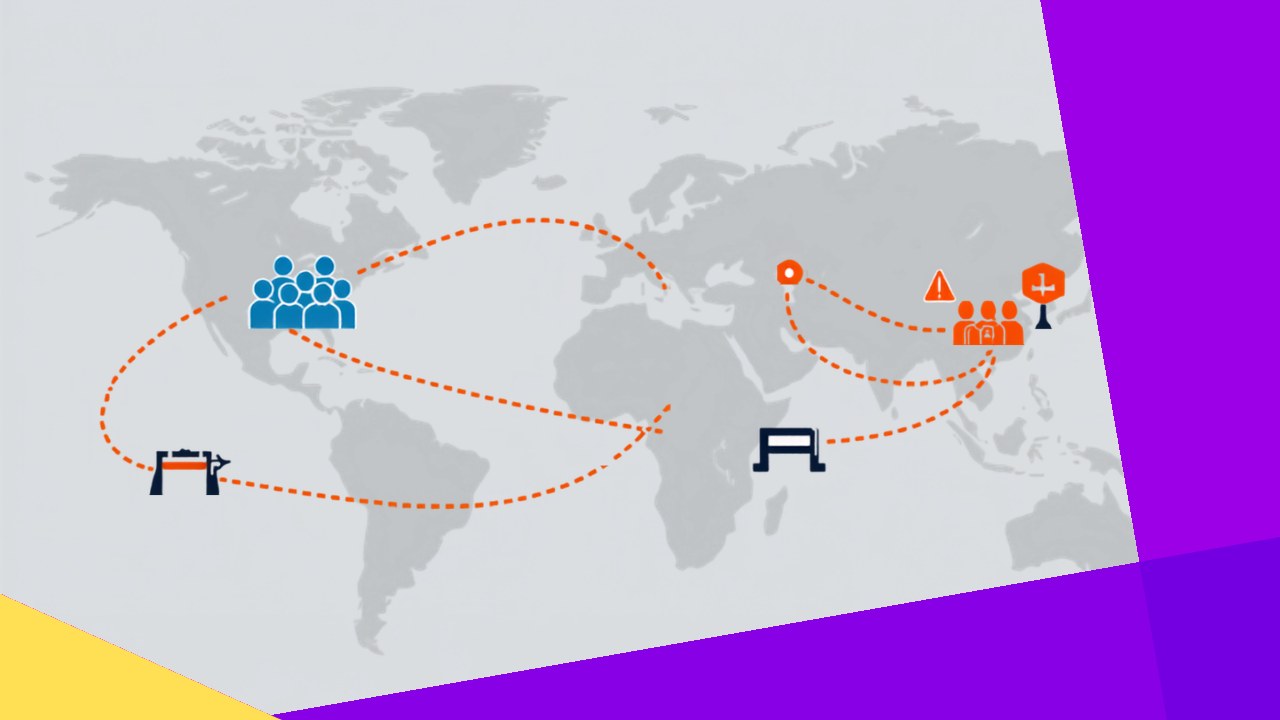
- The biggest challenges of offshoring business processes are people and process problems, not distance itself.
- Time zones, data security, quality drift, culture, hidden costs, compliance, and knowledge loss each have a practical fix.
- A documented pilot with clear KPIs and a named point of contact prevents most offshoring failures.
The challenges of offshoring business processes rarely show up in the first sales pitch. On paper, the math looks simple: move a function offshore, cut the wage bill, and keep the same output. In practice, the friction hides in the handoffs. Communication slips, quality wobbles, and costs you never budgeted for start to surface.
None of these problems are reasons to avoid offshoring. They are reasons to plan for it. Below are the seven challenges that trip up most teams, and a practical way to defuse each one before it costs you.
1. Communication gaps and time zone friction
Distance creates delay. When your team logs off and your offshore team logs on, a simple question can take a full day to answer. Small misunderstandings then compound because nobody catches them in real time.
The fix is rhythm, not more meetings. Set a daily overlap window of two to three hours for live calls. Use written updates for everything else. Document decisions in a shared tool so context does not live in one person’s head. A short pre-move guide on how to start offshoring back-office tasks can help you map these communication rules early.
2. Data security and privacy exposure
Sending work offshore means sending data offshore. Customer records, payment details, and health files all travel across borders. That widens your attack surface and your legal exposure.
Treat your provider as part of your own supply chain risk. NIST defines supply chain risk management as “a systematic process for managing cyber supply chain risk exposures, threats, and vulnerabilities throughout the supply chain.” In practice, that means role-based access, encryption, and audited controls. Ask for evidence, not promises. The NIST Cybersecurity Framework gives you a checklist to hold vendors to.
3. Quality control and consistency
Quality often looks fine in week one and then drifts. Instructions get interpreted loosely. Edge cases pile up. Without a tight feedback loop, errors reach your customers before you notice.
Define quality before you hand over the work. Write clear acceptance criteria for each task. Sample output daily at first, then weekly once scores stabilize. For example, a target of 98% accuracy on data entry gives everyone a shared number to defend. Because the standard is written down, coaching becomes specific instead of vague.
4. Cultural fit and management style
Culture shapes how feedback lands and how problems get raised. In some workplaces, staff hesitate to flag a blocker or push back on a bad instruction. As a result, small issues stay hidden until they become large ones.
Managers should invite disagreement openly and reward early warnings. Explain the “why” behind tasks, not just the steps. Short cultural onboarding on both sides pays off quickly. In short, treat culture as a skill your managers build, not a barrier they blame.
5. Hidden costs beyond the hourly rate
The advertised rate is never the full price. Transition time, rework, extra supervision, and staff attrition all add cost after you sign. A cheap provider can end up more expensive once these show up.
Budget for the total cost, not the sticker price. Our breakdown of the hidden costs of cheap offshore BPO covers where the money leaks. The table below maps the common ones.
| Hidden cost | Why it appears | How to control it |
|---|---|---|
| Transition and ramp-up | Training and process documentation take weeks | Run a paid pilot and phase the rollout |
| Rework and QA | Early errors need internal checking | Set accuracy targets and sample output |
| Supervision load | Thin management ratios burn out leads | Confirm supervisor-to-agent ratios upfront |
| Attrition | Turnover forces constant re-hiring | Track retention as a contract KPI |
6. Regulatory compliance and legal exposure
Offshoring does not offshore your liability. If your provider mishandles data or misses a rule, the regulator still comes to you. Cross-border data laws, sector rules, and contract terms all apply at once.
Build compliance into the contract, not the goodwill. Name the standards that apply, the audit rights you keep, and the penalties for a breach. Remember that a breach of contract, as Cornell Law explains, “occurs whenever a party who entered a contract fails to perform their promised obligations.” Clear service level agreements give you a remedy when that happens.
7. Knowledge transfer and staff turnover
Your process knowledge is an asset, and offshoring can scatter it. When a trained agent leaves, the know-how often walks out with them. High turnover then resets your quality gains again and again.
Capture knowledge in systems, not memories. Record process walkthroughs, keep a living playbook, and cross-train more than one person per task. Because the knowledge lives in shared documents, a resignation becomes an inconvenience rather than a crisis.
Frequently asked questions
What is the hardest part of offshoring business processes?
For most teams, communication and quality control cause the most pain early on. Both stem from unclear expectations rather than distance. Written standards and a daily overlap window fix the majority of these issues.
How do you reduce the risks of offshoring?
Start with a small, documented pilot instead of a full switch. Set clear KPIs, name one point of contact, and audit data controls before scaling. This lets you catch problems while they are still cheap to fix.
Is offshoring still cheaper after the hidden costs?
Usually yes, but the gap is smaller than the headline rate suggests. Once you budget for transition, rework, and supervision, savings often land at a realistic level. A total-cost view keeps the decision honest.
Which processes are safest to offshore first?
Rules-based, well-documented tasks transfer best, such as data entry, bookkeeping, and basic IT support. These have clear right answers and are easy to measure. Complex judgment work can follow once the relationship is proven.
Key takeaways
- The main challenges of offshoring are communication, security, quality, culture, hidden costs, compliance, and knowledge loss.
- Each challenge has a practical fix rooted in documentation, clear KPIs, and audited controls.
- Budget for total cost, not the hourly rate, so hidden expenses do not erase your savings.
- Run a small pilot first, then scale once quality and retention hold steady.






 Independent





