
7 HR help desk services examples worth knowing

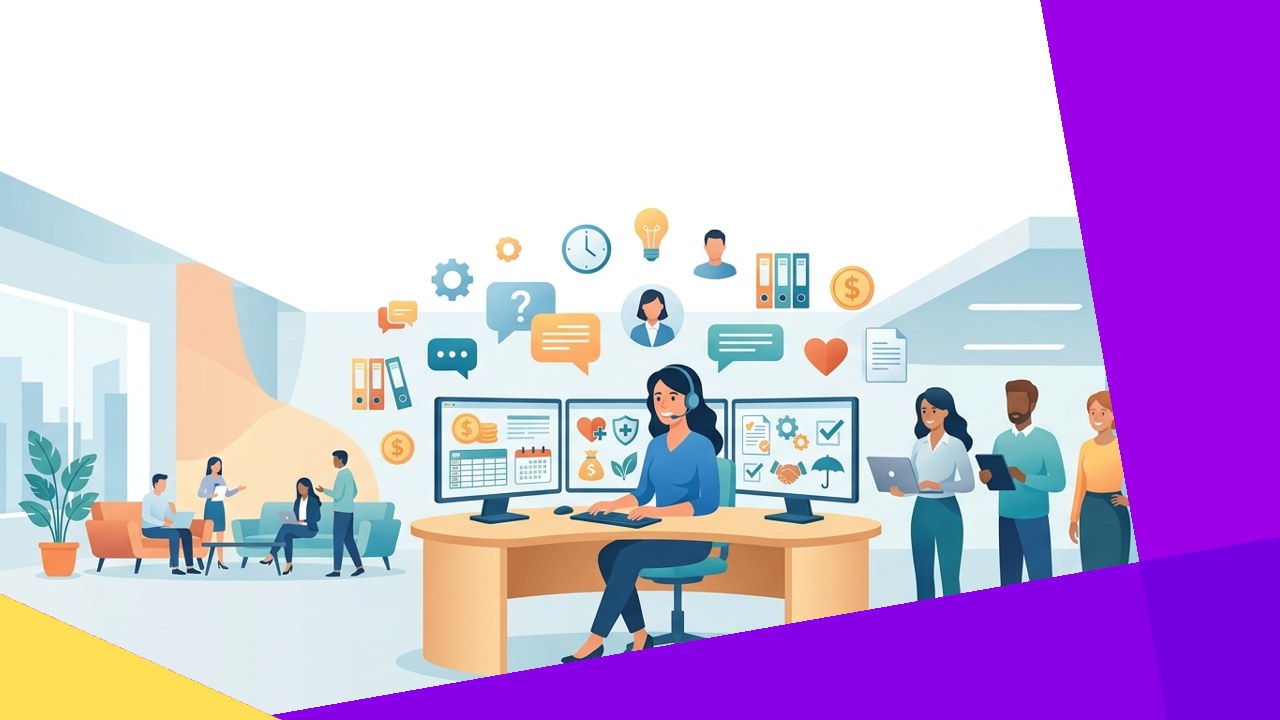
- HR help desk services give employees one place to ask questions and resolve routine HR issues.
- Common examples include payroll queries, leave requests, onboarding, policy questions, and system access help.
- Outsourcing these tasks to an offshore partner can cut response times and free your HR team for strategic work.
HR help desk services are the frontline support that answers employee questions and handles day-to-day HR requests. Think of it as a single point of contact for anything HR related. When someone asks about a paycheck, a benefit, or a leave balance, the help desk takes the ticket and sees it through.
Many companies now run this desk with a mix of software and people. Some keep it in-house. Others hand routine, high-volume work to an outside team. Below are seven real examples of what an HR help desk actually does, and how outsourcing each one works in practice.
1. Payroll and benefits queries
Payroll questions are the most common tickets an HR help desk receives. Employees want to know why a deduction changed or when a bonus lands. Benefits questions follow close behind. People ask about health plans, retirement contributions, and enrollment deadlines.
A help desk agent checks the records and gives a clear answer. If the issue is complex, the agent escalates it to a payroll specialist. Because these questions repeat so often, they suit an outsourced team well. An offshore partner can staff the queue across time zones and answer within minutes.
2. Leave and time-off requests
Employees regularly ask how much leave they have left and how to request more. The help desk confirms balances, logs requests, and routes approvals to managers. Agents also explain the rules around statutory leave.
In the United States, for example, the Family and Medical Leave Act lets eligible employees take up to 12 weeks of job-protected leave per year. A help desk agent can explain who qualifies and what documents are needed. Clear answers here prevent costly compliance mistakes later.
3. Onboarding and offboarding support
New hires have dozens of questions in their first week. Where do they sign forms? How do they set up direct deposit? The help desk guides them step by step. It also tracks paperwork so nothing slips.
Offboarding needs the same care. When someone leaves, the desk manages final pay, equipment return, and access removal. An outsourced team can run these checklists consistently. As a result, your in-house staff avoids repetitive admin during busy hiring seasons.
4. HR policy questions
Employees often need a quick answer about company policy. Can they work from home on Fridays? What is the dress code? The help desk points them to the right policy and explains it in plain terms.
Agents work from an approved knowledge base, so answers stay consistent. When a question is unusual, they escalate it to a senior advisor. Professional bodies like SHRM offer HR advisors who “assist our members with their HR-related inquiries.” Many help desks model their escalation path on that tiered approach.
5. HRIS and system access help
Most HR data now lives in software. According to TechTarget, an HRIS is “software that aids organizations in maintaining detailed employee information” and automating core HR tasks. Employees still need help using it, though.
They forget passwords, cannot find a payslip, or get locked out of a portal. The help desk resets access and walks them through the system. This work is technical but repeatable. For that reason, it maps neatly onto an outsourced help desk service that already handles user support at scale.
6. Tier-1 employee case management
Not every request has a quick answer. Some become cases that need tracking over days or weeks. A workplace complaint or a benefits dispute is a good example. Tier-1 agents open the case, gather facts, and keep the employee updated.
They resolve what they can and pass the rest to HR specialists. This tiered model keeps senior staff focused on sensitive matters. Meanwhile, the outsourced tier handles volume, logging, and follow-up. Employees get faster replies, and nothing gets lost.
7. Compliance and documentation support
HR runs on records. Contracts, tax forms, and policy sign-offs all need to be stored and current. The help desk collects these documents and flags anything missing. It also reminds employees when a certification expires.
Good documentation protects the company during audits and disputes. An outsourced team can manage the paperwork trail without adding headcount. Because agents follow strict data rules, sensitive files stay secure. In short, the desk keeps compliance tidy and traceable.
In-house versus outsourced HR help desk
The table below compares the two setups across common factors. It helps show where an outsourced model adds the most value.
| Factor | In-house desk | Outsourced desk |
|---|---|---|
| Cost per ticket | Higher fixed cost | Lower variable cost |
| Coverage hours | Business hours only | Extended or 24/7 |
| Scaling speed | Slow to hire | Fast to add agents |
| Best use | Sensitive, complex cases | High-volume routine tasks |
Most companies blend both. They keep strategy and sensitive cases in-house. Then they route routine, repeatable work to a partner. This mirrors how outsourced human resources functions are managed more broadly.
Frequently asked questions
What are HR help desk services?
They are the frontline support that answers employee HR questions and handles routine requests. Common tasks include payroll queries, leave requests, and system access help. The desk logs each issue and escalates anything complex to a specialist.
Can HR help desk services be outsourced safely?
Yes, as long as the partner follows strong data protection rules. Reputable providers use secure systems and trained agents. You keep sensitive cases in-house and hand routine, high-volume work to the outsourced team.
What is tier-1 support in an HR help desk?
Tier-1 is the first level of support that handles common, low-complexity requests. Agents resolve what they can quickly. When a case needs deeper expertise, they escalate it to senior HR staff.
How does outsourcing an HR help desk save money?
It shifts fixed staffing costs to a lower variable cost per ticket. An offshore partner can also cover more hours without overtime. Your internal team then spends its time on strategy rather than repetitive admin.
Key takeaways
- HR help desk services cover payroll, leave, onboarding, policy, systems, cases, and compliance support.
- A tiered model lets agents resolve routine tickets and escalate complex ones to specialists.
- Outsourcing high-volume tasks can lower cost per ticket and extend coverage hours.
- Keep sensitive cases in-house and hand repeatable work to a trusted offshore partner.






 Independent





