
Why customer experience data processing matters for e-commerce brands

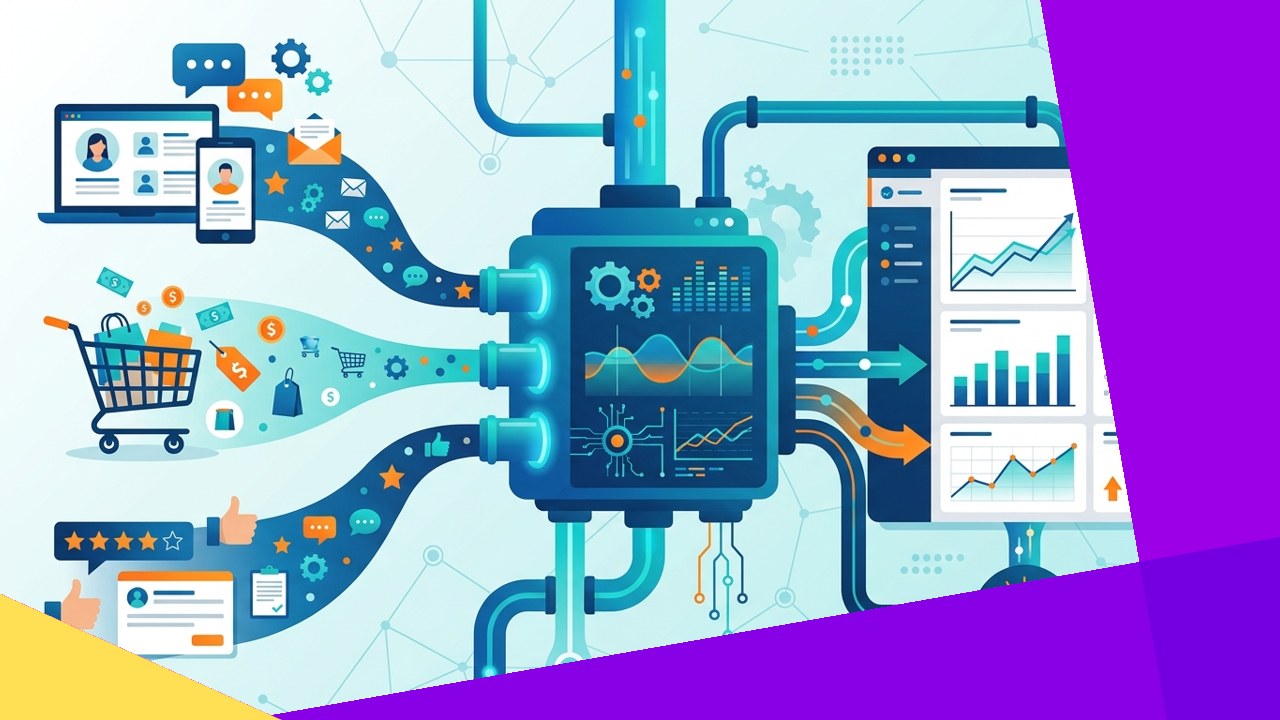
- Customer experience data processing turns raw support and interaction data into clean, tagged insight your team can act on.
- For e-commerce brands, that insight drives personalization, cuts churn, flags product issues early, and guides the roadmap.
- Outsourcing the collection, cleaning, and tagging work lets small teams process large volumes without losing privacy control.
Customer experience data processing is the practice of collecting, cleaning, tagging, and analyzing every signal a shopper leaves behind. That includes support tickets, live chats, product reviews, survey answers, and on-site behavior. For an e-commerce brand, these signals arrive fast and in huge volumes. Raw, they are noise. Processed well, they become a clear picture of what customers want and where you fall short.
Most online stores already sit on this data. Few use it fully. The gap is not collection. It is the work of turning messy inputs into structured, reliable insight. That work is what this article explains.
What customer experience data processing actually involves
The process moves through four steps. Each one prepares the data for the next. Skip a step, and the analysis at the end becomes unreliable.
1. Collecting the data
First, you pull signals from every channel. That means help-desk tickets, chat logs, reviews, post-purchase surveys, and website behavior. The goal is one shared pool, not scattered exports.
2. Cleaning the data
Raw data is rarely tidy. It holds duplicates, spam, empty fields, and broken formats. Cleaning removes the junk and fixes the gaps. As a result, your team works from a trustworthy base.
3. Tagging and categorizing
Next, each item gets labels. A ticket might be tagged “shipping delay” or “sizing question.” Reviews get sentiment scores. Tagging is what makes the data searchable and countable later.
4. Analyzing and reporting
Finally, the tagged data becomes trends and reports. You can see which issues spike, which products draw complaints, and which touchpoints lose customers. In short, the numbers start to tell a story.
Why it matters for e-commerce brands
Processed CX data pays off in four clear ways. Each one ties directly to revenue or cost.
Better personalization
Clean behavior and purchase data let you tailor offers, emails, and product suggestions. Personalization is now an expectation, not a bonus. Shoppers reward brands that get it right and drift from those that do not.
Lower churn
Retention is cheaper than acquisition. Harvard Business Review notes that “acquiring a new customer is anywhere from five to 25 times more expensive than retaining an existing one.” The same Harvard Business Review analysis of customer retention adds that raising retention rates by 5% can lift profits by 25% to 95%. Processed data shows you who is about to leave and why. Then you can act before they go.
Spotting issues early
Tagged tickets and reviews surface patterns fast. A sudden rise in “damaged on arrival” tags points to a packaging fault. Because you catch it early, you fix it before it spreads to a thousand orders.
Informing the product roadmap
Customers tell you what to build next. Recurring requests in chats and surveys reveal real demand. As a result, product decisions rest on evidence, not guesswork.
What data to process
Not all data is equal. Focus on the sources that carry customer intent and friction. The main ones are below.
| Data source | What it reveals | Best use |
|---|---|---|
| Support tickets | Recurring problems and their volume | Fixing process and product faults |
| Live chat logs | Pre-purchase doubts and objections | Improving product pages and FAQs |
| Product reviews | Sentiment and specific complaints | Quality control and roadmap input |
| Surveys (NPS, CSAT) | Overall satisfaction and loyalty | Tracking trends over time |
| On-site behavior | Where shoppers hesitate or drop off | Personalization and funnel fixes |
Together, these five sources cover intent, friction, and outcome. Start with the two that hold the most volume. Then add the rest as your process matures.
Privacy and security duties
CX data is personal data. It carries names, emails, order history, and sometimes payment details. Handling it well is both a legal duty and a trust builder. Careless handling risks fines and lost customers.
A structured framework helps. The NIST Privacy Framework calls itself “A Tool for Improving Privacy through Enterprise Risk Management.” It helps you map what data you hold and why. For technical safeguards, the NIST Cybersecurity Framework offers “a widely used approach based on existing standards, guidelines, and practices to help organizations to better manage and reduce cybersecurity risk.”
In practice, follow a few basics. Collect only what you need. Limit who can see raw records. Encrypt data at rest and in transit. Delete data you no longer use. Because these steps are visible to customers, they also strengthen your brand.
How outsourcing helps
Processing CX data at scale is labor-heavy. Cleaning and tagging thousands of tickets each week takes steady hands and clear rules. Many e-commerce teams are too small to do it in-house without pulling staff off other work.
An outsourcing provider can own the routine steps. A trained offshore team collects, cleans, and tags data to your playbook. Your in-house staff then focus on analysis and decisions. This split keeps quality high and cost predictable. Firms that delegate structured data entry work often report better accuracy and faster turnaround. Support-focused teams take a similar path with customer service outsourcing.
The table above shows what to process. The choice below shows where to run it.
In-house versus outsourced processing
Both models can work. The right fit depends on your volume, budget, and privacy needs.
- In-house: tighter control and faster context, but higher cost and limited scale.
- Outsourced: lower cost and easy scale, but you must vet the provider’s security and set clear tagging rules.
Many brands blend the two. They keep analysis and strategy in-house. Then they outsource the high-volume cleaning and tagging. This hybrid gives scale without giving up control.
Frequently asked questions
What is customer experience data processing?
It is the work of collecting, cleaning, tagging, and analyzing customer signals. Those signals include tickets, chats, reviews, surveys, and site behavior. The output is clear insight your team can act on.
How does it reduce churn?
Processed data reveals early warning signs, such as rising complaints or drop-offs. You can then reach at-risk customers before they leave. Because retention costs far less than acquisition, this protects margin.
Is it safe to outsource CX data processing?
Yes, when you vet the provider carefully. Check their security controls, access limits, and compliance record. A good partner signs strict data agreements and encrypts every record.
What data should a small store start with?
Begin with support tickets and reviews. They carry the clearest signals about friction and sentiment. Add chat logs, surveys, and behavior data as your process grows.
Key takeaways
- CX data processing turns scattered support and interaction data into clean, tagged, usable insight.
- For e-commerce, it powers personalization, cuts churn, catches issues early, and guides the product roadmap.
- Process the sources with the most intent and friction first: tickets, reviews, chats, surveys, and behavior.
- Treat all CX data as personal data, and use outsourcing to scale the routine work without losing privacy control.






 Independent





