
Understanding the basics of BPO digital marketing and visibility
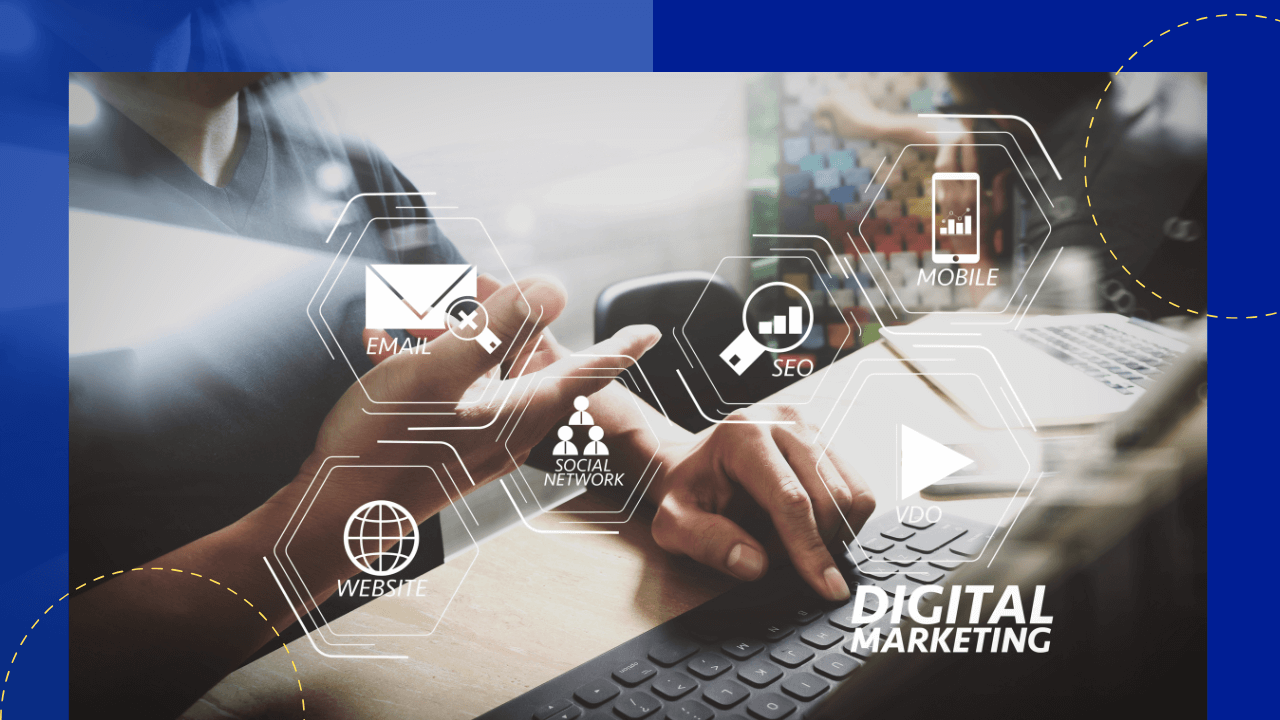
- BPO digital marketing helps outsourcing companies increase visibility, attract qualified leads, and build credibility in a competitive online space.
- The 5 D’s framework: digital devices, platforms, media, data, and technology, guides effective digital marketing strategies.
- Key types of digital marketing include content marketing, SEO, SEM, PPC, social media, email marketing, and native advertising.
- Using tools like OA Marketing Hub allows BPO companies to manage their profile, track engagement, and convert online visibility into real opportunities.
Business process outsourcing (BPO) companies sell expertise, reliability, and long-term partnerships, yet many struggle to communicate that value in a crowded digital marketplace.
Lean internal teams often juggle client delivery and lead generation simultaneously, leaving little room for consistent branding, content creation, or performance tracking. As competition intensifies, visibility becomes harder to achieve without a clear digital strategy.
Digital marketing is critical to how outsourcing buyers discover and evaluate providers. According to HubSpot’s State of Marketing report, the top channels driving ROI are websites, blogs, and SEO efforts, followed by paid social media content and social media shopping tools.
These insights highlight the importance of building a strong online presence and investing in measurable campaigns.
In this article, we’ll shed light on the foundations of BPO digital marketing. We’ll also outline practical strategies that help outsourcing firms increase visibility, attract qualified leads, and convert interest into growth.
BPO digital marketing: An overview
BPO digital marketing refers to the strategies and online channels that outsourcing providers use to attract, engage, and convert potential clients. It goes beyond simply having a website.
It involves building a credible online presence, publishing valuable content, running targeted ads, and tracking performance data to refine campaigns over time.
In the BPO space, digital marketing works as a structured funnel. Companies capture attention through search engines, social platforms, and industry directories.
They nurture interest through case studies, thought leadership articles, and client testimonials. Clear calls to action then guide prospects toward inquiries, consultations, or proposal requests.
Here’s how BPO digital marketing benefits companies:
- Increases online visibility among outsourcing buyers
- Builds authority and trust through educational content
- Generates qualified leads through targeted campaigns
- Provides measurable insights to improve marketing spend
- Shortens the sales cycle through consistent engagement
A well-planned strategy positions outsourcing firms as credible, competitive partners in a global marketplace.
5 D’s of BPO digital marketing
The “5 D’s” framework provides a simple way to understand the essential elements that drive effective digital marketing.
| 5 D’s of BPO digital marketing | Description |
| Digital devices | Devices like smartphones, tablets, and laptops used to access digital content. |
| Digital platforms | Online spaces such as search engines, social media, email, and websites where audiences engage. |
| Digital media | Forms of content including text, images, videos, and audio that convey a brand message. |
| Digital data | Insights about audience behavior, demographics, and engagement patterns to guide strategy. |
| Digital technology | Tools and software that help create, deliver, and measure marketing campaigns. |
These five components help outsourcing marketers design campaigns that reach the right audience, at the right time, and in the right format:
1. Digital devices
BPO clients interact with content on multiple devices, from smartphones to desktop computers. Marketers must optimize websites, emails, and ads for every device to deliver a smooth, intuitive experience.
Mobile responsiveness is critical, as a growing portion of outsourcing buyers research providers on their phones.
2. Digital platforms
Each platform has its own rules, audience behaviors, and content formats. Search engines require SEO-friendly content, social media demands engaging posts, and email thrives on personalization.
Knowing and understanding how each platform works helps BPO marketing teams place content where it will reach and resonate with potential buyers.
3. Digital media
Compelling content drives engagement. Text, visuals, videos, and podcasts all work together to communicate a brand’s expertise.
Integrated campaigns that span multiple channels reinforce messaging, build trust, and make it easier for prospects to remember a BPO company when evaluating outsourcing partners.
4. Digital data
Digital campaigns generate detailed insights about audience demographics, interests, and behaviors. BPO marketers can analyze these patterns to refine targeting, improve messaging, and track ROI more accurately than traditional methods.
Having a clear knowledge of a buyer’s digital footprint helps craft personalized, high-impact campaigns.
5. Digital technology
Modern tools streamline campaign creation and tracking. Marketing automation, CRM systems, and analytics software allow BPO companies to manage multiple campaigns, monitor engagement, and measure performance efficiently.
Leveraging technology reduces manual effort and boosts the impact of marketing initiatives.
Together, the 5 D’s form a roadmap for BPO digital marketing that combines reach, engagement, and data-driven decision-making.
How to get started with BPO digital marketing: A step-by-step
Starting BPO digital marketing can feel daunting, but breaking it into clear, actionable steps helps companies move from uncertainty to strategy. A structured approach allows teams to focus resources, reach the right audience, and measure results effectively.
Step 1: Define your goals
Every digital marketing campaign begins with clear, measurable objectives. Goals guide strategy and help track progress. BPO companies can focus on metrics such as:
- Impressions
- Clicks
- Engagement rate
- Conversions
- Cost per lead (CPL)
Setting realistic targets provides direction and allows teams to adjust campaigns if results fall short of expectations.
Step 2: Identify your target audience
Understanding the audience is critical. BPO providers must define who their ideal outsourcing buyers are, including demographics, business needs, and online behaviors.
Different platforms attract different audiences, so campaigns must be tailored for each channel to maximize relevance and engagement.
Step 3: Set a budget for each digital channel
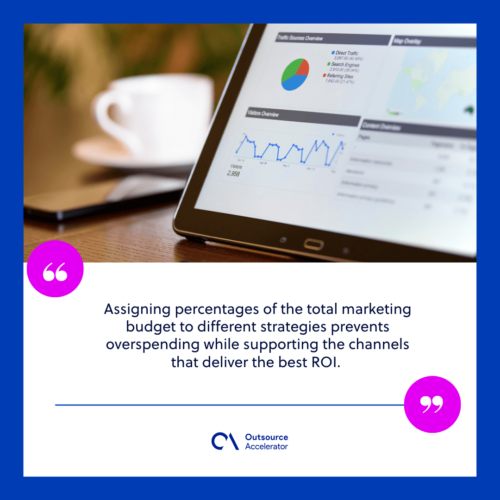
Budget allocation helps optimize resources across paid and organic channels. Assigning percentages of the total marketing budget to different strategies prevents overspending while supporting the channels that deliver the best ROI.
This step balances short-term gains from paid campaigns and long-term growth from organic marketing.
Step 4: Select your digital marketing channels
Don’t just spray and pray; pick the platforms where your ideal customers actually hang out. Search engines, social media platforms, email campaigns, and content marketing all serve unique purposes.
Paid channels like PPC can generate immediate leads, while organic channels like SEO and blogs create lasting visibility.
Step 5: Optimize your digital assets for mobile
Most buyers access content on smartphones or tablets. Responsive design and seamless experiences across devices keep users engaged and reduce drop-offs.
Mobile optimization improves visibility, engagement, and conversion rates.
Step 6: Refine marketing efforts
Analyze performance continuously. Monitor social media metrics, email data, and website analytics to identify trends, adjust strategies, and improve ROI. Digital marketing evolves, and staying data-driven keeps campaigns relevant and effective.
Following these steps gives BPO companies a strong foundation in BPO digital marketing, helping them attract qualified prospects and grow their business online.
7 types of BPO digital marketing teams must be aware of
Marketing in the BPO sector requires more than random campaigns or sporadic posting. Teams need a strategic mix of approaches that connect with outsourcing buyers, build credibility, and drive measurable results.
| Type of BPO digital marketing | Description |
| Content marketing | Creating informative, educational content to attract and engage leads. |
| Email marketing | Sending targeted messages to nurture relationships and prompt action. |
| SEO | Optimizing websites and content to appear higher on search engine results pages. |
| SEM | Paid search campaigns that place your brand in front of users actively searching. |
| PPC | Paying for clicks on ads across search engines, social media, and other platforms. |
| Social media marketing | Promoting business organically through social networks and building community. |
| Native advertising | Ads that blend seamlessly with platform content, appearing less intrusive. |
Understanding the types of digital marketing available helps marketing teams pick the right methods for their audience, budget, and goals:
1. Content marketing
Content marketing educates and provides value rather than directly promoting services. BPO teams can create blogs, eBooks, newsletters, guides, videos, and podcasts to demonstrate industry expertise.
Thoughtful content positions a company as a trusted partner, builds brand awareness, and generates leads over time. Consistency and relevance are key: posts should address common outsourcing challenges and showcase solutions effectively.
2. Email marketing
Email marketing helps BPO companies stay top of mind for prospects and clients. Common forms include newsletters, welcome emails, and post-purchase follow-ups.
Personalized subject lines, clear calls to action, and integration of transactional and promotional emails increase engagement. Emails allow teams to deliver targeted messages directly to decision-makers, fostering stronger relationships.
3. Search engine optimization (SEO)
Search engine optimization improves a website’s visibility in organic search results. On-page SEO focuses on keywords and web copy, off-page SEO builds quality backlinks, and technical SEO enhances site speed, mobile responsiveness, and metadata.
Effective SEO helps BPO companies attract qualified leads actively searching for outsourcing solutions.
4. Search engine marketing (SEM)
Search engine marketing relies on paid ads appearing in search engine results. While other options exist, Google and Microsoft remain the primary ecosystems for capturing search-based intent.
SEM works so well because, for most of us, a search engine is the first place we go when we need something.
BPO companies capture leads who are already interested in outsourcing services by targeting relevant search terms.
5. Pay-per-click (PPC)
Pay-per-click advertising lets businesses pay only when users click their ads. Platforms include Google Ads, Meta Ads, YouTube Ads, and more. Successful PPC campaigns require relevant ad copy, high-quality landing pages, and an understanding of bidding strategies.
Done right, PPC generates fast, measurable results.
6. Social media marketing (SMM)
As per DataReportal, 93% of global internet users, regardless of age, are on social media.
For BPOs, social media marketing connects companies with their audience on platforms like Facebook, Instagram, YouTube, TikTok, and X. Posting engaging content, responding to comments promptly, and maintaining a consistent schedule increases reach.
Social media builds brand recognition, encourages engagement, and fosters a sense of community.
7. Native advertising
Native advertising blends promotional content with the look and feel of the platform it appears on. It reduces ad fatigue while reaching audiences organically.
Clear labeling, such as “sponsored,” maintains transparency. Native ads work best when they provide value while subtly promoting services.
Through a thoughtful combination of these strategies, BPO teams can create integrated marketing campaigns that attract the right buyers. A good mix of these approaches can also strengthen brand authority and convert interest into long-term partnerships.
Frequently Asked Questions (FAQs)
Below, we’ll answer some frequently asked questions from outsourcing companies about digital marketing and how to maximize its impact:
How long does it take to see results from BPO digital marketing?
Results vary by strategy. SEO and content marketing may take three to six months to generate significant traffic, while paid campaigns like PPC or SEM can deliver leads almost immediately once launched.
Can small BPO companies compete with larger firms online?
Yes. Targeted digital marketing allows smaller BPOs to reach niche audiences, showcase expertise, and build credibility without massive budgets, leveling the playing field against larger competitors.
How do BPO companies measure the success of their campaigns?
Success is tracked using metrics like website traffic, engagement rate, lead conversions, click-through rates, and ROI. Consistent monitoring allows teams to refine campaigns and improve overall performance over time.
Key takeaways
BPO digital marketing gives outsourcing companies the tools to increase visibility, attract qualified leads, and establish authority online.
Effective strategies combine content, social media, SEO, paid ads, and data-driven insights. Consistent monitoring and optimization help campaigns stay relevant and deliver measurable results.
Take full advantage of the OA Marketing Hub to manage their profile, track performance, and turn online visibility into real business opportunities.






 Independent





