
Why businesses should pay attention to click funneling strategies

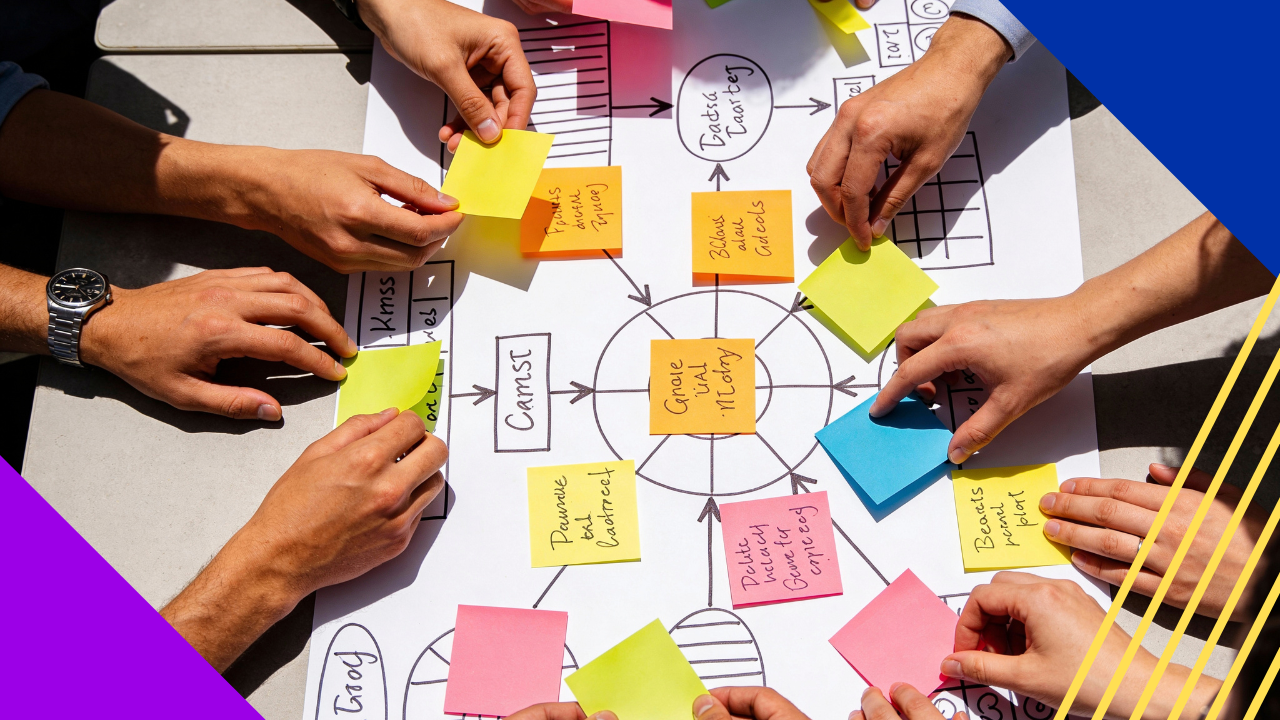
Ignoring how your potential customers move through your digital touchpoints means leaving opportunities behind.
Many businesses focus only on generating traffic, but clicks alone do not create growth. You need a structured way to lead visitors toward meaningful actions that align with your goals.
This is why click funneling deserves your attention. It is not just about attracting visitors but about guiding them toward conversion in a systematic and measurable way.
What is click funneling?
Click funneling is the process of directing visitors through a series of digital steps designed to move them closer to the following actions:
- Making a purchase
- Booking a consultation
- Engaging with your business in a valuable way
Each click acts as a micro-decision that should build trust and reduce barriers until the final conversion occurs.
Instead of looking at online traffic as random interactions, click funneling views each visit as part of a journey. This journey may begin with a blog post or social media ad and then progress toward more targeted pages, such as product information or a contact form.
At each stage, your role is to provide the right content, the right offer, and the right call-to-action.
Why does click funneling matter?
Click funneling matters because it transforms scattered digital activity into measurable growth.
Without a funnel, your visitors may engage with your site briefly and then leave without taking any valuable action.
Here are several reasons businesses benefit from prioritizing click funneling:
- Improved lead quality: A funnel attracts not only clicks but also filters out casual visitors who are not likely to convert. This means your sales team spends time on leads that show genuine interest.
- Higher return on marketing investment: By structuring visitor journeys, your ad spend and content creation efforts produce better outcomes. Each stage of the funnel maximizes the likelihood that a visitor moves closer to conversion.
- Predictable revenue growth: Funnels provide measurable data at each stage. You can forecast sales more accurately and adjust your strategies based on performance.
- Better customer experience: Instead of overwhelming visitors with too many options, click funneling presents a clear and logical sequence of actions. This reduces confusion and builds confidence in your business.
The businesses that succeed online are not always the ones with the biggest advertising budgets. They are often the ones who implement structured, effective click funnels and use data to refine their approach.
4 stages of click funneling
Click funneling can be broken into four distinct stages.
Understanding each stage allows you to design a process that moves your audience steadily toward conversion.
1. Awareness
At this stage, potential customers first encounter your brand. They may see your paid ads, social media posts, or blog content.
Your goal is to capture attention and introduce your business in a way that is relevant and appealing. Hence, your content should focus on answering questions, solving problems, or presenting your value clearly.
2. Interest
Once you have attention, the next stage is to create deeper interest.
Visitors at this stage are not ready to buy immediately, but they are open to learning more. Your responsibility is to provide useful, trust-building resources.
Examples include webinars, case studies, or guides. A clear call-to-action, such as signing up for a newsletter, helps bring them into your system for ongoing engagement.
3. Decision
The decision stage is where potential customers actively compare solutions.
Your role here is to highlight what sets your business apart. Testimonials, product demonstrations, or free consultations can be highly effective.
Click funneling at this stage ensures that decision-making is made easier through clear, persuasive content.
4. Action
This is the conversion stage. Visitors are ready to make a purchase, schedule a service, or engage with your sales team. A well-structured funnel reduces friction here.
Here, clear pricing, seamless checkout processes, or quick access to a representative are essential. Each click at this stage should
lead directly to a measurable business outcome.
Key elements of effective click funneling
Designing a funnel that works requires attention to several key elements. Without them, you risk building a process that looks good on paper but fails in practice.
Target audience understanding
Your funnel will only succeed if it is designed around your audience. Understanding their motivations, challenges, and decision-making habits ensures that your content and calls-to-action align with what they need.
Value-driven content
At every stage, you must provide content that delivers value.
In the awareness stage, value comes through education. In the decision stage, value comes through reassurance and proof of your reliability. Again, your content should always move the visitor toward the next logical step.
Clear calls-to-action
Vague or confusing calls-to-action can break the funnel. Each page should guide visitors to one clear “next step”.
Also, instead of overwhelming your visitors with too many options, focus on progression.
For example, invite them to download a guide, request a demo, or complete a purchase depending on the funnel stage.
Data tracking and optimization
Click funneling must be measurable. Tracking metrics such as click-through rates, bounce rates, and conversion rates allows you to identify weak points in your funnel.
Optimization should be continuous, as even small improvements at one stage can significantly increase overall performance.
Seamless user experience
A funnel that forces visitors to go through complicated forms, slow-loading pages, or unclear navigation will lead to drop-offs. An effective funnel ensures a smooth, professional experience at every step.
When these elements work together, businesses gain not just clicks but structured pathways that lead to consistent growth.
Transform clicks into conversions with click funneling
Every click on your website represents an opportunity. Without structure, those opportunities are wasted.
With click funneling, you turn those clicks into a predictable system that brings in leads, nurtures them, and converts them into paying customers.






 Independent





