
Malaysia outsourcing: The country’s role as a multilingual outsourcing hub

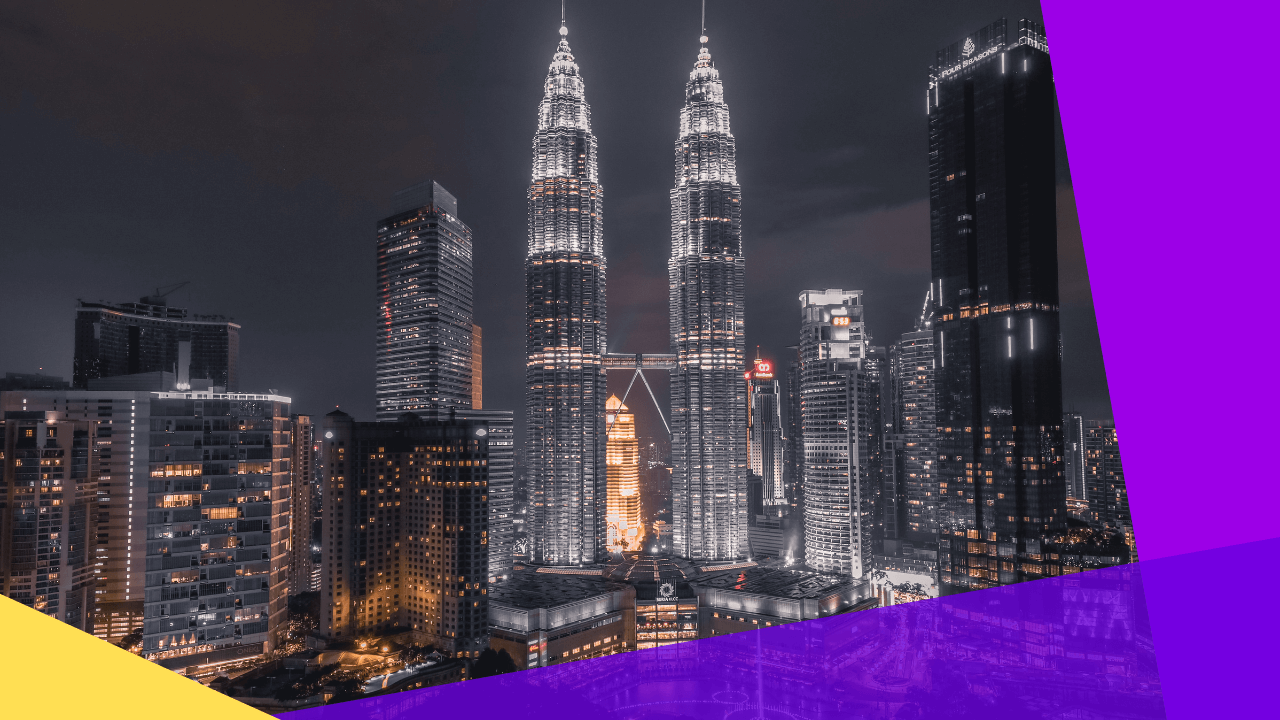
Why is Malaysia becoming a top multilingual outsourcing hub?
Malaysia outsourcing is rising fast because the country mixes local multilingual talent, smart geography, and strong government support into one flexible offshore hub.
- Local teams speak English, Malay, Mandarin, and Cantonese out of the gate.
- Government programs let firms bring in more Asian language talent when needed.
- Its location bridges East and West for global business.
For decades, India and the Philippines led the outsourcing world. However, the market is no longer just those two players. As global firms chase efficiency, scale, and cultural fit, other Asian countries are stepping up. In fact, this shift is one of the clearest outsourcing trends to watch right now.
Malaysia outsourcing is one of the most exciting growth stories here. With its mix of languages, strong location, and helpful policies, Malaysia is building a hub for multilingual and multicultural services. In the 554th episode of the Outsource Accelerator Podcast, Ajay Agarrwal, founder and CEO of SummitNext, shared a first-hand view of why Malaysia is drawing so much interest.
Malaysia’s unique multilingual advantage
Malaysia’s appeal starts with its people. The country is naturally multilingual. So English, Malay, Mandarin, and Cantonese are all widely spoken.
Ajay explained: “We do provide a number of languages, obviously English, Malay, Mandarin, and Cantonese is our bread and butter. Those languages are available locally.”
As a result, Malaysia outsourcing providers can serve many Asian markets from day one. This language mix is also what makes the country a strong base for multilingual BPO that switches between customers across Asia. So businesses do not need several vendors just to cover regional languages. Strong bilingual support is built into the local talent pool.
The government has widened this edge too. Through MDEC (Malaysia Digital Economy Corporation), approved firms can bring in foreign professionals for extra language support.
As Ajay noted: “We are able to bring in other nationalities… pretty much all the Asian nationalities.”
So Malaysia blends local language strength with imported talent. Because of this, it offers a flexible, multilingual workforce that spans Asia and beyond.
Drivers of demand for Malaysia outsourcing
Malaysia’s strengths are clear. But what is fueling the rising demand? Three key drivers stand out.
1. China’s market shifts
China’s economy is still huge. However, uncertainty has pushed many multinationals to look elsewhere.
Ajay observed: “Chinese companies have shown a lot of interest for Malaysia over the last one, one and a half years. Multinational companies that were running businesses in China, there is this element of uncertainty, and they want to move out of China to a safer location.”
At the same time, Chinese firms expanding into Western markets need bilingual talent. So Malaysia is a natural fit.
“They’re looking for people that can speak their language and can also speak English, which is a bit difficult for them to find within China and pretty much standard to find in Malaysia,” Ajay explained.
2. Regional neighbors
Companies in Singapore, Hong Kong, and Taiwan also drive demand. These markets are highly international. So they need support and technical help in several languages.
Malaysia sits close by, with a deep talent pool. As a result, it is well placed to serve them.
3. Western expansion into Asia
For US and European firms entering Asia, Malaysia works as a gateway. It offers cultural familiarity with the West and language links to the East. So it makes a natural bridge for global business.
Malaysia’s comparison with other outsourcing destinations
To place Malaysia clearly, it helps to compare it with Asia’s giants.
Philippines
The Philippines is famous for voice-based services, especially for US clients. In fact, it still leads in English-speaking call centers. For more, see this guide to outsourcing to the Philippines.
Ajay highlighted: “For our Philippines operations, it is primarily voice-based work that we are doing. And that’s how broadly the industry is going, especially for the outsourcing that happens out of the US.”
India
India’s scale and talent pool are unmatched. However, its focus has shifted over time.
Ajay reflected: “Outsourcing is still big business in India, but it has changed drastically over the last 10 to 15 years from being a voice-only outsourcing destination to more backend outsourcing. Even the interest we are seeing from some of our clients is completely non-voice.”
Today, India leads in backend services, IT, analytics, and knowledge process work. For example, Astute Analytica reported that IT services held a 23.46% market share of India’s BPO market. To learn more, read this overview of outsourcing to India.
Rather than fight head-to-head, Malaysia positions itself differently. Its edge is multilingual and multicultural work. So businesses can operate across both regional and global markets.
In short:
- Philippines = Voice outsourcing powerhouse
- India = Backend and KPO specialist
- Malaysia = Multilingual, multicultural bridge
Malaysia outsourcing: Challenges and opportunities
Of course, no destination is perfect. So Malaysia faces two main challenges:
- Relocation complexities: Bringing in expats can be slow and costly. Ajay admitted: “It’s a difficult process. It’s an expensive process to bring people into Malaysia.”
- Cost considerations: Malaysia outsourcing often costs more than India or the Philippines. So for cost-only buyers, this can be a barrier.
Still, these challenges point to real opportunities:
- Demand for multilingual support keeps rising across Asia and beyond.
- Malaysia is well placed for AI-driven work, especially data annotation for AI models. Ajay shared: “A recent project we delivered was where two people are supposed to talk in two different languages… even if there’s a mixture of words, the AI model is still able to figure it out.”
- Buyers who want quality and flexibility over cost alone see Malaysia as a smart investment.
Malaysia as Asia’s future in multilingual outsourcing
Malaysia outsourcing is not trying to be the cheapest or the biggest. Instead, it aims to be the most adaptable multilingual hub in Asia.
Here is why:
- It has natural strength in English, Malay, Mandarin, and Cantonese.
- It can import talent from across Asia and Europe to add more languages.
- Its location makes it a cultural and commercial bridge between East and West.
As Ajay summed it up, “Those languages are our bread and butter.” So for businesses that want flexibility, quality, and reach, Malaysia is fast becoming the go-to destination.
Frequently asked questions
What languages can Malaysia outsourcing providers support?
Local teams cover English, Malay, Mandarin, and Cantonese. In addition, approved firms can bring in talent for other Asian languages. So one provider can often serve many markets at once.
Is Malaysia more expensive than the Philippines or India?
Often, yes. Malaysia usually costs more than those two markets. However, buyers pay for multilingual reach and quality, not just low rates.
What services does Malaysia outsourcing handle best?
It shines in multilingual customer support and multicultural work. Meanwhile, it is also growing in AI data annotation. So it suits firms serving several regions at once.
How does Malaysia compare with the Philippines and India?
The Philippines leads voice work, and India leads backend and KPO. Malaysia, by contrast, is the multilingual bridge. So each hub fits a different need.
Who should consider Malaysia for outsourcing?
It fits firms expanding across Asia or into Western markets. In particular, it helps brands that need many languages under one roof. So quality-focused buyers gain the most.






 Independent






