
5 signs of job abandonment all companies should know


What is job abandonment and how do you spot it?
Job abandonment is when an employee stops showing up for work, gives no notice, and shows no plan to return.
- It differs from a short, explained absence like a family emergency.
- Common triggers include heavy workloads, weak career paths, and personal crises.
- Clear policies, good communication, and support help you prevent it.
Most workplaces today have changed a lot. Teams now mix many generations and points of view. So gaps in communication can grow fast.
These gaps drive more cases of job abandonment, in both private and public sectors. However, you can lower the risk. First, learn the causes. Next, act on them. As a result, your working relationships get stronger.
What is job abandonment?
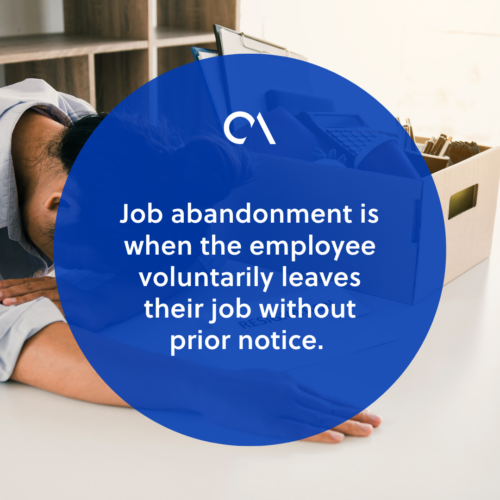
Job abandonment is when an employee leaves their job with no notice. It happens when staff stop communicating, skip the handover, and do not plan to return after a long absence.
It differs from being away for a few days due to an emergency or urgent errand.
Many workers choose this path, especially when mental or physical health suffers. However, some employers treat it as a serious matter. So they may use it to support the legal dismissal of the employee.
Because it is voluntary, most workers then lose their right to unemployment and separation benefits.
What are the triggering factors for job abandonment?
Job abandonment can cause real disruption. So companies should watch for it and set a clear internal policy.
First, identify the triggers that affect your people. Then you can plan proactive responses. Here are the top factors every company should know.
#1. Uneven workload distribution by employer
Using your team’s full potential is smart. However, too much load leads to burnout. So a fair split of work matters.
Also, know the right number of people needed for each task. In addition, pair fair pay with a realistic workload. Many firms now hire virtual assistants to take on simple, repetitive, time-consuming work.
#2. A better opportunity
Every company should map clear career paths and succession plans. This guides each employee while they stay with you.
Many firms lose top performers who feel stuck. As a result, they abandon their jobs for brighter roles elsewhere. To dig deeper, review the common reasons behind high employee turnover.
#3. Fear of confrontation and difficult conversation
People handle work challenges in different ways. Some fear confrontations and hard talks that may turn into arguments.
So team leaders should read each person’s style. This helps build a good relationship with their people. Sometimes, workers leave to take freelance jobs they can do remotely for a competitive salary.
#4. Unexpected personal or family emergency
Personal and family emergencies often pull workers away from their jobs.
Some companies miss the value of internal support and extra benefits. Because of this, many workers feel unseen and lose morale. Eventually, some of them abandon their jobs. This differs from quiet exits, so it also helps to know turnover versus attrition.

How to prevent job abandonment
Once you know the triggers, prevention gets easier. A healthy work relationship shows workers they matter.
Here are the most effective ways to prevent job abandonment:
- Share a clear plan for career growth and succession. This gives your team direction and keeps them motivated.
- Acknowledge each worker’s wins and contributions.
- Gauge performance and reward strong work with fair pay and extra rewards.
- Set internal policies that define terms for cases like job abandonment. So workers can make better decisions.
- Be proactive about personal challenges. Offer support so people can regain focus and peace at work.
These steps help you keep your top performers. In addition, good conditions and a calm environment help them stay longer. They also lower the risk of a sudden no call no show.
Prevention is not only about policy. It also means solving employee retention problems early. Watch for softer warning signs too, such as quiet quitting. Another option is hiring support talents through outsourcing, so tedious and technical tasks get done virtually.
Consistency also matters here. So apply your policy the same way for everyone. In addition, keep clear records of absences and warnings. As a result, you protect both the worker and the company.
Frequently asked questions about job abandonment
How many days count as job abandonment?
Most companies set three straight no-show days as the line. Still, the exact number belongs in your policy. So write it down clearly and share it with staff.
Is job abandonment the same as resignation?
No, a resignation includes notice and a handover. Job abandonment gives neither. As a result, the worker often loses separation benefits.
Can you fire someone for job abandonment?
Yes, many employers treat it as voluntary resignation. However, follow your policy and local labor law first. For safety, document every missed day.
How can outsourcing reduce job abandonment?
Outsourcing eases heavy workloads that lead to burnout. It also covers gaps when a worker leaves suddenly. So your core team stays balanced.
What is the first sign of job abandonment?
Often it is silence: missed shifts with no message. Weak engagement can come before it. So check in early and keep communication open.
Should you contact an employee who has gone silent?
Yes, reach out by phone, email, and text first. Sometimes an emergency is the real cause. So a quick check can clear things up. As a result, you avoid a wrongful dismissal claim.






 Independent






