
6 questions to ask when hiring a remote coder


What should you ask when hiring a remote coder?
When hiring a remote coder, ask about their focus, accuracy, workload fit, independence, specialty experience, and attention to detail.
These questions help you judge both skill and fit. In short, they show if a coder can support your goals. Use them to check:
- Why your business needs a medical coder.
- How well a coder can work on their own.
- Whether they know your specialty and its rules.
Healthcare is a complex field. So firms must balance patient care with careful, sound business habits.
Skilled remote coders run most medical coding work. These coders help providers record data on treatments, procedures, and patient care. They also prepare accurate bills for insurers and patients.
Medical coding definition
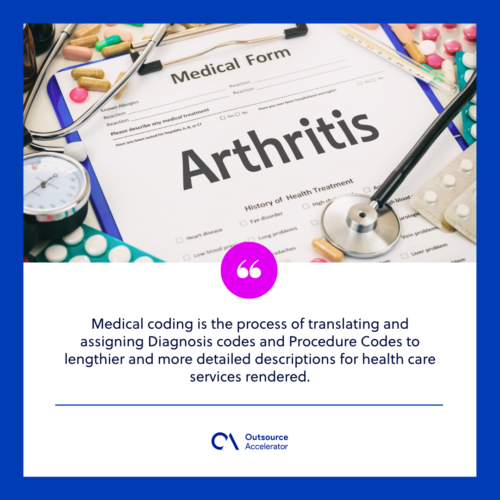
Medical coding is the process of turning detailed health service descriptions into short diagnosis and procedure codes. So it makes complex records easy to process.
It is a key step in the reimbursement cycle for healthcare claims. Without it, claims stall.
Besides hospitals and clinics, medical coders also work in many other places. For example, they are often found working in locations such as government agencies, law firms, insurers, schools, and remote setups that need medical data translated.
Questions to ask when hiring a remote coder
A good interview question does two things:
- It shows how well a medical coder can support your business goals.
- It also shows how well they fit the role and your work culture.
So find answers to the questions below. They help you decide if it is time to build or grow your own team of remote coders.
For businesses hiring a remote coder
Before you hire, look at what drives your need for a coder. This differs by company. So pin down the needs that are unique to your business.
1. Do you want to put more focus on your core competencies?
Growing firms often lose focus over time. Some get too busy running daily tasks. As a result, they drift from their main goals.
Handing tasks like medical coding to experts helps you focus on your core work. So leaders free up time to plan and strategize.
What’s more, skilled coders can lift service quality and boost customer satisfaction.
2. Do you want to improve accuracy and lessen errors?
Coding errors can hurt your bottom line. Weak coding can affect claims and lead to penalties, denials, wrong payments, and wasted time on resubmissions.
One fix is to hire certified coders with the right skills. Also, make sure you have enough staff to handle your volume of work.
3. Is your current team overworked?
Your billing team handles a lot of paperwork each day. Meanwhile, patients want to see their doctors fast.
But often, your medical billing staff must guide patients through insurance first. When left unchecked, this leads to burnout and low morale. In turn, it can hurt quality and output.
So you may need a billing partner to take on this work. This frees your staff to spend more time with patients.
For remote coders
The questions below help employers vet applicants further. However, they also make a great starting point for aspiring medical coders who want to test their own skills. They even hint at the future of medical coders as the field evolves.
Do you have:
4. The ability to work independently?
As coders grow, they should assess and finish daily tasks on their own. They need little outside feedback. Still, they should check the quality and volume of their work often.
Being accountable also matters a lot for coders who work remotely.
5. Experience in your specialty compliance?
A coder who knows your specialty’s terms and processes makes onboarding easier. They take less time to train. As a result, you get a smoother workflow.
So it helps to hire someone who knows these topics tied to your specialty:
- Health records management
- Medical terminology
- Insurance procedures
- Business communications
6. Attention to detail?
Coding many medical documents takes great care to stay accurate. The right coder must be precise when they check records and turn them into the proper codes.
If data is wrong or sent in error, it can risk patient safety or delay payment to the provider.
Why hire a remote coder
Remote medical coders can work from anywhere. So this is a big plus for firms that want to hire remote staff.
As a result, you need not find a local hire or pay relocation costs if your office and their home sit in different states.
The cost savings are also real. Remote coders are usually cheaper than a local hire who still needs office space. In addition, remote work taps a wider talent pool than you may find nearby. For many providers, this is a core reason to explore healthcare outsourcing.
One common way to hire a remote coder is by offshoring or outsourcing.
Service providers like Remote Employee have the resources and know-how to find and hire the most qualified remote coders for their clients. A dedicated healthcare BPO can also manage coding end to end.
So it gives employers a flexible way to get the work done. In short, outsourcing medical coding opens the door to scale, cost savings, and easier compliance.
Frequently asked questions about hiring a remote coder
What certifications should a remote medical coder have?
Look for credentials like CPC or CCS from a trusted body. These show the coder has met a known standard. So they give you added confidence in their skill.
How much does it cost to hire a remote coder?
Costs vary by country, skill, and specialty. Offshore coders often cost far less than local hires. Still, weigh quality and compliance, not just price.
Is remote medical coding secure?
Yes, when the provider follows strict data rules. Good partners use secure systems and access controls. As a result, they protect patient data and meet compliance needs.
How do I keep a remote coder productive?
Set clear targets and review work often. Give feedback and ongoing training. Finally, use shared tools to track tasks and quality.
Should I hire one coder or an outsourced team?
It depends on your volume. One coder may suit a small clinic. But a growing provider often gains more from an outsourced team that can scale.






 Independent






