
What is a remote call center representative?


What is a remote call center representative?
A remote call center representative is an agent who handles inbound and outbound customer calls from outside a traditional office, using the company’s network and tools.
- They answer calls, solve issues, and relay calls between departments, just like an in-office agent.
- The only real difference is location, since they work from home or another remote site.
- They rely on company devices, software, and a steady connection to serve customers well.
A remote call center representative is an agent responsible for customer calls, both inbound and outbound. They can also relay calls between departments through the company’s network of devices.
So the only difference between a remote representative and a traditional one is simple. The remote agent works outside the office.
Skills a remote call center representative should have
Knowing what to look for in an employee can cut the hiring process down a lot. So here are the skills a remote call center representative should have to be one of the best.
In most cases, employees with these skills tend to thrive in a remote work setup.
Skill #1: Customer-centric approach
A customer-centric approach puts the needs of the customer first. In practice, the policies, rules, and call center operating standards all revolve around better customer-facing service.
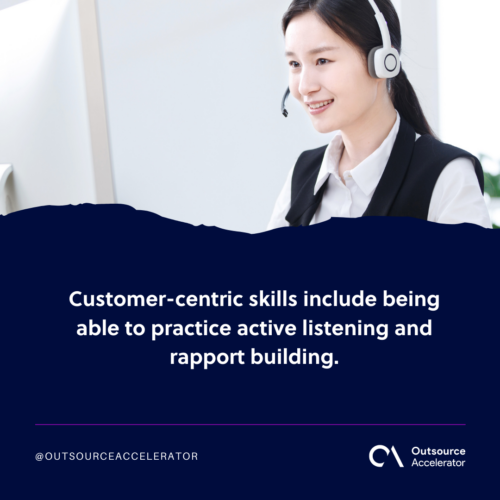
This mindset includes active listening and rapport building. As a result, a remote agent can help customers in a more efficient way. You can learn more about core customer service skills that support this.
Skill #2: Empathy
Empathy pairs closely with customer-centric skills. It is also key for agents who deal with customers every day, remote or not.
When agents put themselves in the customer’s shoes, they serve people better. As a result, they resolve issues faster and reflect the company in a positive light.
Skill #3: Attention to detail
Remote agents should spot mistakes or problems right away, especially on a call. Otherwise, issues may not get fixed in time.
Sometimes a call runs long because an agent misread something. For example, typing the wrong words or forgetting a detail can happen on any call. So close attention keeps calls short and accurate.
Skill #4: Efficiency
Being efficient at work is the same as working smart. This skill is vital for remote agents, who face many distractions at home.
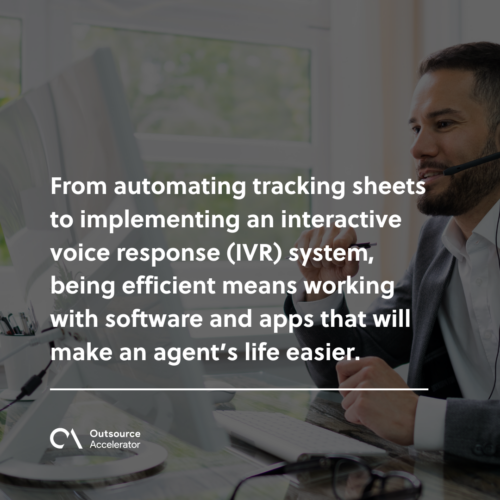
In a high-pressure job like a call center, every second counts. So efficiency means using tools and apps that make the work easier, from tracking sheets to an interactive voice response (IVR) system.
Skill #5: Problem-solving
Customers reach out because they need help. So agents must offer quick, creative solutions. The good news is that problem-solving can be learned and practiced in any customer-facing role.
Skill #6: Resourcefulness
Remote agents should be resourceful and creative. For example, some answers are not in any knowledge base or handbook. So agents must think outside the box to solve the problem.
Skill #7: Communication skills
Agents must speak clearly with customers, teammates, and managers. Most of all, they should relay information as clearly and simply as they can.
Good communication also prevents confusion and conflict at work. So the ability to communicate effectively is a must.
Skill #8: Perseverance
Some days feel heavy, like every task is piling up at once. On other days, customers are more impatient or rude.
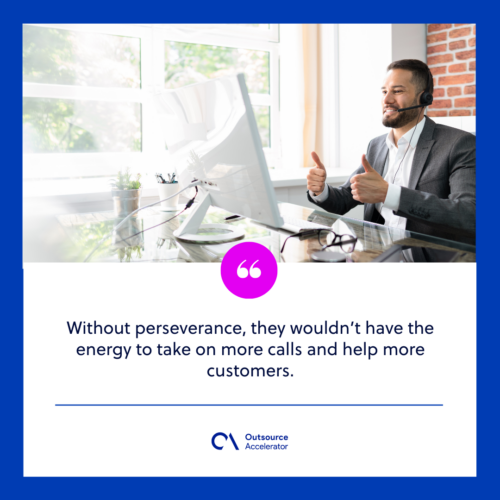
So pushing through these hurdles should be second nature. Without perseverance, an agent would not have the energy to take more calls and help more people. Clear managing remote staff practices help teams stay resilient.
Why remote call centers are trending
Remote call centers keep gaining ground. That is because more companies now outsource their work to remote-only providers.
Remote-only firms are often cheaper than those with physical sites. The reason is simple: they carry fewer overhead costs. The right remote work software also makes these teams easy to run. On top of that, remote setups widen the hiring pool, so firms can recruit skilled agents from many regions. As a result, they often fill seats faster and keep service running across more time zones.
BPO providers like EB Call Center make staffing easier for businesses, providing excellent remote candidates or teams. So if you’re still on the look for remote call center representatives, consider call center outsourcing.
Remote call center representative FAQs
Here are quick answers to common questions about the remote call center representative role.
What does a remote call center representative do?
They handle inbound and outbound customer calls from a remote location. In short, they answer questions, solve issues, and route calls, just like an in-office agent.
What skills does a remote call center representative need?
The top skills are empathy, clear communication, and attention to detail. In addition, efficiency, problem-solving, and perseverance help agents handle a busy day.
What equipment does a remote call center agent need?
They need a reliable computer, a headset, and a stable internet connection. They also use company software, like a CRM and an IVR system, to manage calls.
Is a remote call center cheaper than an in-office one?
Often, yes. Remote-only providers carry fewer overhead costs, like office rent. As a result, they can offer lower rates than firms with physical sites.
How do you hire remote call center representatives?
You can hire directly or through a BPO provider. For many firms, outsourcing is faster. So a provider can source trained remote agents and manage the team for you.






 Independent






