
Cultivating a customer-centric culture in the 21st century

What is a customer-centric culture and how do you build one?
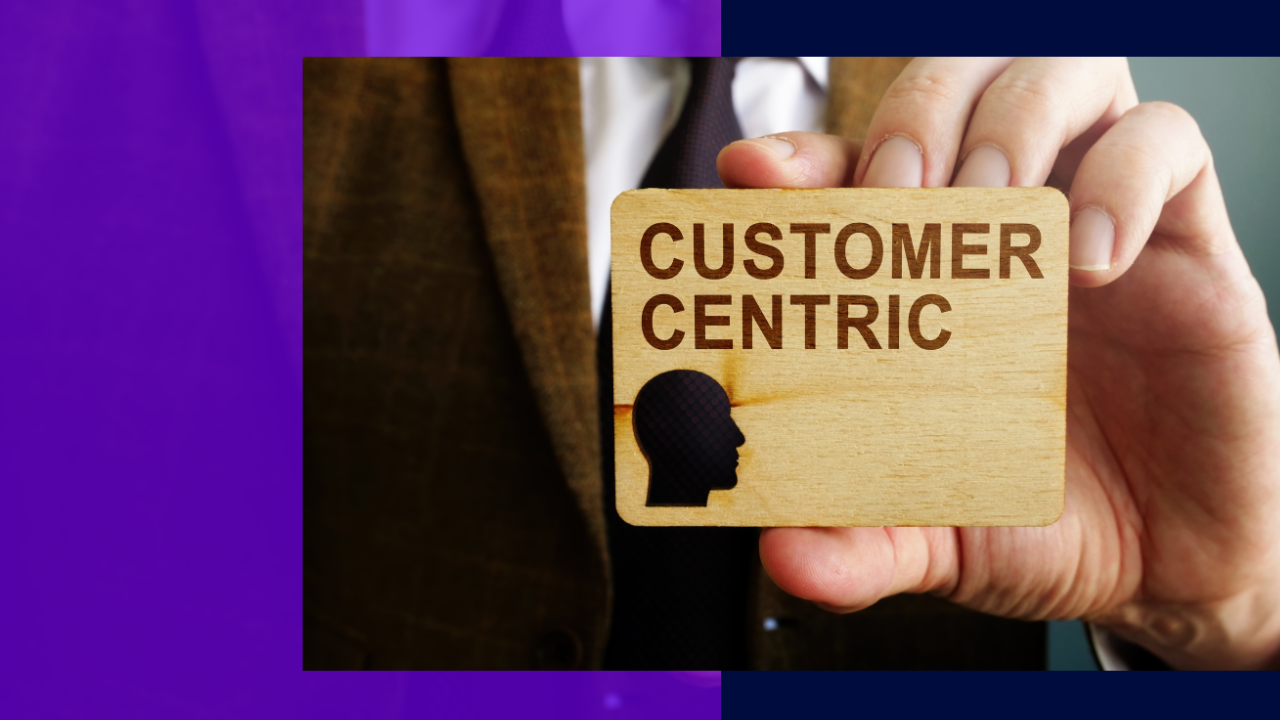
A customer-centric culture is a way of working where a company puts customer needs first in every decision, from its vision down to daily service.
Here is what that looks like in practice:
- Core values and goals are built around keeping customers happy.
- Teams treat customer retention as highly as new sales.
- Feedback shapes how products, service, and support improve.
In today’s market, customers and employees drive a business more than anything else. So it makes sense that leaders build a culture that lifts both. In fact, a customer-centric culture is not a new idea. Still, it grows in value every passing year.
Competition is high and cutthroat. As a result, companies cannot slack off and let their guard down. Customer satisfaction, along with experience and care, should stay high at all times. Strong customer satisfaction is what keeps buyers coming back.
What is a customer-centric culture?
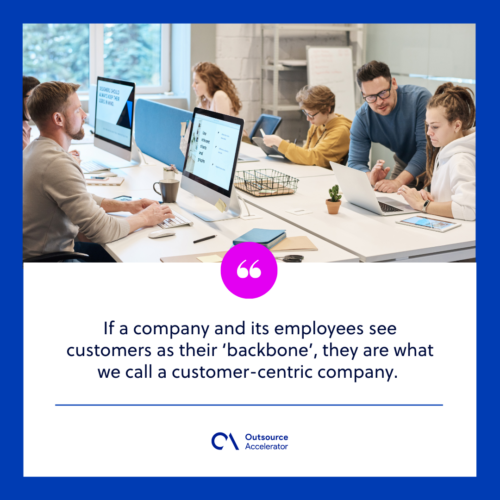
If a company and its staff see customers as their backbone, they are what we call a customer-centric company.
Customer-centric companies, like Support Services Group, are built to put customer needs and wants first. For example, businesses like this aim for full customer satisfaction at all times.
They line up their core values and mission with making customers happy. In addition, they treat customer retention as just as important as service and new sales.
How to create a customer-centric culture
To build a customer-centric culture, you first have to see where your business can improve. Next, put customer concerns at the heart of how you work with them. Because of this, you and your team will grow a truly customer-focused culture.
In addition, inclusivity matters here too. So make sure your website and help resources are easy for everyone to reach. In addition, build your products and services with access in mind. A better customer experience starts with these small, thoughtful choices.
Tips in building a customer-centric culture
The Chief Marketing Officer (CMO) Council ran a market study. It found that only 14% of marketers say customer-centricity is a hallmark of their firms. Meanwhile, just 11% believe their customers would agree.
This gap can seem like a problem. Still, it shows that many companies have room to raise their core standards.
Align your company’s vision with customer-centricity
Your company’s vision reflects its inner drive. So if you want a customer-centric business, your vision must carry that same energy. Otherwise, it may come across as shallow or fake.
Listen to your employees
Employees in customer-facing roles are your first point of contact. As a result, their ideas, concerns, and input matter a great deal. After all, they spend the most time with your customers and know them best. Strong customer service skills often start on this front line.
Hearing out your team also lifts morale, boosts job satisfaction, and raises output.
Be open to feedback
Feedback comes in many forms. From questions to reports and complaints, it always finds its way back to you. Being open to it is part of good customer care as well.
Without fresh views and honest opinions, growth can stall.
Employee tools for introducing customer-centric culture in the office
The rise of tools that help staff deliver better service has been a big win for many companies.
Being customer-centric means your channels should stay open around the clock, all year. This matters even more when your audience spans many time zones and countries.
Salesforce
For example, Salesforce is one of the most popular customer management systems around. With its campaign tools and B2B automation, your staff no longer stress over analytics. In addition, real-time reports let managers spot fixes early.
Hubspot
This handy CRM tool pulls your sales funnel into one dashboard. If your team learns best by sight, they will like how HubSpot shows data visually. It also makes follow-ups on messages much easier.
Zoho
To sort chats, emails, and tickets in one place, look at Zoho. The platform shows customer data from many sources at once. So there is no need to switch windows to view several tickets.
Bonus tool for internal communication: Asana
Asana is a well-known virtual corkboard for remote teams. With strong mobile and web apps, this tool helps staff stay productive with their workload.
How culture affects marketing
Overall, a company’s culture shows in its people, staff, and management.
Whether you run a startup or a large group, remember that growth starts from within. Without a healthy workplace culture, output drops, quality slips, and trust fades. A clear customer experience strategy can tie that culture back to real results.
So make sure your company’s culture helps both the people who work there and those who buy from you.
Successfully changing the culture to a customer-centric organization
First, it is vital to look after your customers. After all, they are the backbone of your business from every angle.
That said, being customer-centric does not mean the customer is always right.
Years of real stories back this up. So there will be times when you have to say no and risk losing business rather than turn a blind eye.
Frequently asked questions
What does customer-centric culture mean?
In short, it means a company puts customer needs at the center of every choice. As a result, its values, teams, and daily work all aim to serve customers well.
Why is a customer-centric culture important?
It builds trust and keeps buyers loyal. In addition, happy customers spend more and refer others, which drives steady growth.
How do you build a customer-centric culture?
Start by aligning your vision with customer needs. Next, listen to frontline staff and stay open to feedback. Finally, give teams the right tools to serve customers fast.
What tools support a customer-centric culture?
CRM platforms like Salesforce, HubSpot, and Zoho help teams track and serve customers. Meanwhile, tools like Asana keep internal work organized.
Does customer-centric mean the customer is always right?
No. It means you value customers and act in their best interest. Still, there are times when saying no is the right call.






 Independent





