
Offshoring legal support services for law firms

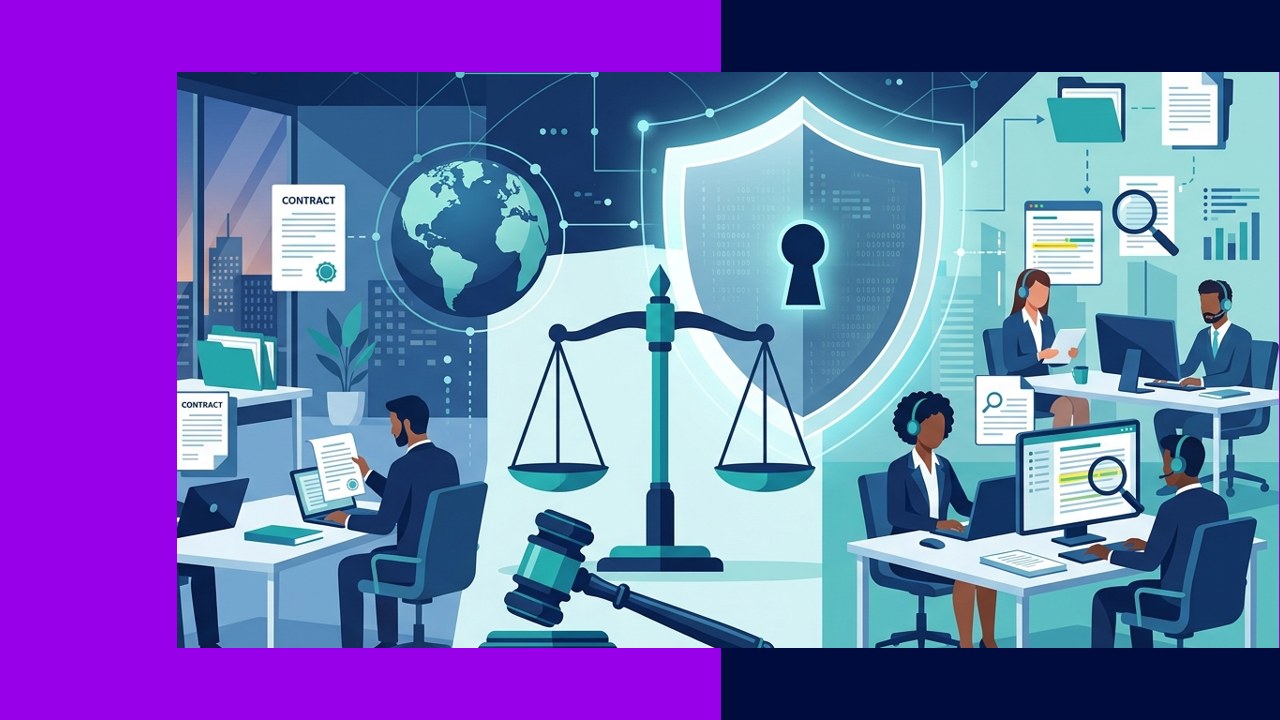
- Law firms offshore repeatable legal work such as document review, legal research, contract drafting, e-discovery, transcription, and paralegal support to cut cost and free lawyers for billable work.
- The main draw is lower labor cost and added capacity, but the deciding factors are confidentiality, privilege, data security, quality control, and bar ethics rules.
- A written engagement, supervision of the offshore team, and client consent are what keep an offshoring arrangement defensible.
Offshoring legal support services for law firms means moving defined, repeatable legal tasks to a trained team in a lower-cost country, usually under a model known as legal process outsourcing (LPO). The work stays under a lawyer’s supervision, but the hours are billed at a fraction of onshore rates.
Firms of every size use it, from solo practices that need overflow help to large firms that run offshore review teams. The goal is not to replace lawyers. It is to hand routine work to a capable partner so attorneys spend more time on advice, strategy, and client relationships.
What legal work do firms offshore?
Not every task can leave the building, but a large share of legal support is process-driven and well suited to a remote team. The most common categories are below.
Document review and e-discovery
First-pass review, coding, and privilege logging in large litigation and due diligence matters are volume work. Offshore teams handle the bulk sorting so onshore attorneys focus on the documents that actually matter.
Legal research and drafting
Case law research, memos, and first drafts of briefs, motions, and contracts are routinely offshored. A supervising attorney reviews and finalizes every output before it reaches a court or client.
Contract lifecycle work
Contract drafting, review, and abstraction scale well offshore, especially for firms handling repetitive commercial agreements, NDAs, and leases.
Paralegal and administrative support
Offshore paralegals handle intake, case file management, deposition summaries, and transcription. According to the U.S. Bureau of Labor Statistics, paralegals and legal assistants “do a variety of tasks to support lawyers, including maintaining and organizing files, conducting legal research, and drafting documents.” Much of that support work translates cleanly to a remote team.
Why law firms offshore legal support
The business case rests on three levers: cost, capacity, and focus.
Cost. Offshore legal support often runs 50 to 70 percent below onshore staffing for comparable process work. For price-sensitive matters, that gap decides whether the work is profitable.
Capacity. An offshore team lets a firm absorb a document-heavy case or a busy season without a permanent hiring commitment. You scale up for the matter and scale down when it closes.
Focus. Every hour a partner spends coding documents is an hour not spent on billable advisory work. Shifting support tasks offshore protects the firm’s highest-value time.
Offshore support vs in-house staffing
The trade-off is not only price. The table below compares the two models on the factors that matter most to a managing partner.
| Factor | Offshore legal support (LPO) | In-house staff |
|---|---|---|
| Cost per hour | Typically 50 to 70 percent lower for process work | Full salary, benefits, overhead, and software |
| Scalability | Ramp up or down per matter | Fixed headcount; slow to adjust |
| Supervision | Requires remote oversight and clear protocols | Direct, in-person oversight |
| Best suited for | High-volume, repeatable, defined tasks | Judgment calls, court appearances, client-facing advice |
| Data control | Depends on the partner’s security and contract terms | Inside the firm’s own environment |
The critical considerations before you offshore
Cost is the easy part. The hard part is doing it in a way that survives a bar complaint or a client audit. Four issues deserve real attention.
Confidentiality and privilege
Client information sent offshore must stay protected. Attorney-client privilege “protects confidential communications between a lawyer and their client that relate to the client’s seeking of legal advice or services,” and careless handling of files can put that protection at risk. Litigation materials carry a second layer: under Federal Rule of Civil Procedure 26(b)(3), “a party may not discover documents and tangible things that are prepared in anticipation of litigation.” Keep the offshore team inside those protections with confidentiality clauses and access limits.
Data security
Sensitive files should move through encrypted channels, sit in access-controlled systems, and never land on personal devices. Ask any partner for its security certifications and breach history before a single file leaves the firm.
Quality control
Offshore work needs the same review discipline as any junior output. Build in a sample-check step, clear style guides, and feedback loops so quality is measured, not assumed. The supervising attorney stays responsible for the final product.
Ethics and bar rules
U.S. ethics rules permit outsourcing legal work, but they place the duty on the supervising lawyer to oversee it competently, protect client information, and often disclose the arrangement and obtain client consent. Check your state bar, because rules on disclosure and billing vary.
How to start offshoring the right way
1. Define the tasks
List the specific, repeatable work you want to move. Tightly scoped tasks with clear instructions produce the best offshore results.
2. Vet the partner
Assess legal expertise, security posture, references, and supervision model. Run a small paid pilot before committing to volume. Our guide to protecting data when working with an outsourcing vendor is a useful checklist here.
3. Paper the relationship
Put confidentiality, data handling, quality standards, and liability in writing. Address client consent and ethics obligations up front, not after a problem appears.
4. Supervise and measure
Assign an onshore attorney to review output, track turnaround and accuracy, and adjust as the relationship matures. For a broader overview, see this explainer on how legal service outsourcing works.
Frequently asked questions
Is offshoring legal work ethical for U.S. law firms?
Yes, when done properly. Ethics rules allow it as long as the supervising lawyer oversees the work competently, protects confidential information, and follows state bar guidance on disclosure and client consent.
What legal tasks should not be offshored?
Anything requiring legal judgment, court appearances, or direct client advice stays with a licensed attorney. Offshoring suits defined, repeatable support tasks, not the practice of law itself.
How much can a firm save by offshoring?
Savings on process work commonly land in the 50 to 70 percent range once salary, benefits, overhead, and software are counted, though the exact figure depends on the task and the partner.
How do firms keep client data safe offshore?
Through encrypted transfers, access-controlled systems, confidentiality agreements, security certifications, and an onshore attorney who supervises how files are handled at every step.
Key takeaways
- Offshore the repeatable, process-driven work (review, research, drafting, e-discovery, transcription, paralegal support) and keep judgment and client advice with licensed attorneys.
- The core benefit is lower cost and flexible capacity that protects billable, high-value lawyer time.
- Confidentiality, privilege, data security, quality control, and bar ethics rules decide whether the arrangement holds up.
- Start with a defined scope, a vetted partner, a written agreement, and ongoing onshore supervision.






 Independent





