
Be an expert in managing workload through these quick and easy steps


How do you get better at managing workload?
Managing workload means sharing tasks fairly across your team, so people stay productive without burning out.
Do it well and you gain three clear wins:
- Lower stress and a better work-life balance for your team.
- Higher output, because people focus on the right tasks.
- Fewer missed deadlines, even on complex projects.
A modern workplace asks a lot from teams. Every day, companies must meet rising customer demands. So a clear system for managing workload matters more than ever.
As a manager, you need to keep your team focused and on track. At the same time, you cannot use people up. One of the hardest parts is work-related stress, which can lead to burnout.
Managing workload to match your team’s capacity is key to steady progress. It is not easy at first. Still, you can master it with the steps below.
Managing your workload matters because…
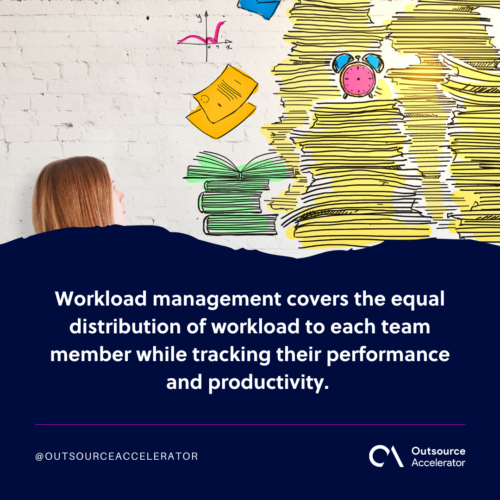
Workload management means sharing tasks evenly while you track output. Team members handle their own tasks day to day. Meanwhile, managers spread work based on each person’s capacity.
In a study conducted by Gallup, about two-thirds of full-time employees feel burned out. A big reason is workload that gets out of hand. Because of this, a strong system pays off fast.
Managing workload across teams helps the whole company. For example, it delivers these gains:
- Less stress. Smart workload management cuts stress at work. As a result, people enjoy a better balance and a happier day.
- More output. It also lifts output, both now and later. When people manage their own tasks well, they get more done.
- Better coping habits. Sharing work the right way helps people make choices and cope under pressure.
- More fulfillment. People feel proud after a good day’s work. That feeling grows when the job does not pile on too much.
Good habits here also feed into wider gains in workplace productivity over time.
Strategies for managing workload
Effective workload management is about more than tasks and hours. First, it takes planning. Next, it takes clear estimates. Finally, it takes steady tracking, so work stays balanced and deadlines hold.
In practice, you balance deadlines, tasks, and skills to match your team’s strengths. This gets tricky when managing a remote team. However, the methods below make it work.
Planning using SMART goals
Managing workload starts with a clear plan and clear goals. Like any good process, SMART goals add structure to how you share work.
In fact, studies show you and your team are 42% more likely to achieve your goals when you write them down. So put them on paper.
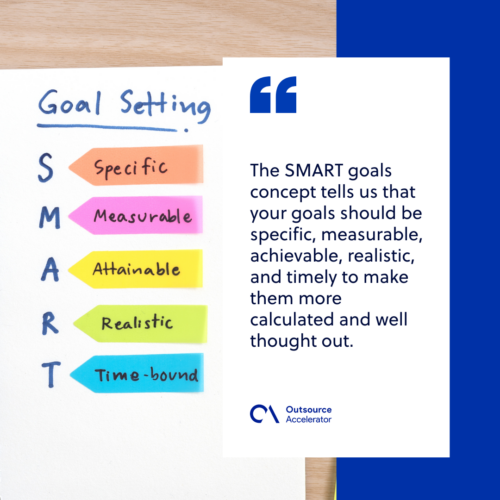
SMART means your goals stay specific, measurable, achievable, realistic, and timely. As a result, each goal is clear and easy to track.
Prioritizing tasks with the Eisenhower matrix
Sometimes almost every task feels urgent. To avoid cramming, use the Eisenhower matrix. First penned by Dwight Eisenhower, it sorts tasks by urgency and importance.
The matrix splits your tasks into four groups:
- To-Do. These come first and follow their deadline.
- To-Schedule. These matter too, but they can wait for a set date.
- To-Delegate. Hand these tasks to the right team members. Good delegative leadership makes this step easy.
- To-Delete. Use this rarely, mainly for things that only cause distraction.
Utilizing project management techniques
Lastly, project management techniques help you organize your team’s workload. In short, they give you a real game plan and make progress easy to track.
There is no one-size-fits-all method. What works for you depends on your deliverables, workflows, and industry. Still, a few common methods stand out. If you want a fuller view, explore these types of project management.
Waterfall method
The Waterfall model shows a step-by-step flow of a task or project. True to its name, it moves down like a waterfall. It follows the old rule of “measure twice, cut once.”
Agile management
Agile is one of the most common methods. In fact, it works more like a guiding principle. It favors a team-based, data-backed, and people-focused way to run tasks.
Scrum management
Scrum fits teams of 10 people or fewer. It runs on short “sprints,” or work cycles that last up to two weeks. Each sprint has a clear deadline. So Agile teams can try it at least once.
Kanban method
Finally, the Kanban method uses visual cards to show backlogs and work in progress. As a result, you see your team’s flow clearly and dodge bottlenecks.
Having difficulty in managing your team’s workload? Follow these tips
Strong workload management skills take time and effort from the whole team. If you are struggling, try these simple practices.
Minimize distractions
These days, distractions sit around every corner. Social media, chatty coworkers, and phone alerts all pull focus. Home chores do too when people work from home.
Some chatter is healthy and helps prevent a negative work environment. However, too much of it breaks concentration. So encourage short breaks, then a clear return to work.
Acknowledge that your team cannot do it all
At the end of the day, your people are human. They cannot work past their limits, even when they try. Push too hard and burnout follows.
Instead, work with each person’s capacity and skills. First, estimate each task. Next, set deadlines they can hit. Then adjust when things change.
Take your time in planning
Even on an urgent deadline, do not rush the start. First, map out your goals, outcomes, metrics, and likely snags. After that, plan the work for each week.
Stay flexible with your plan too. It is better to prepare for surprises than to lose time fixing them later. Solid time management training can sharpen this habit fast.
Divide complex tasks into subtasks
Big tasks take time and can feel heavy. So help your people break work into smaller pieces. As a result, the job feels simpler and easier to finish.
Automate tasks when needed
Treat automation as a friend you can count on. According to a survey by Smartsheet, 40% of people still spend at least a quarter of their week on repetitive tasks. Yet that time could go to better work.
So automate parts of your workload when it helps. Use online tools to get the job done with less effort. To go further, try these automation tools that boost workplace productivity.
Tools for workload management
Managing workload is hard for solopreneurs, managers, and team leads alike. As your company grows, so do your tasks. You cannot plan every handoff by hand. So the right tools help you share work well.
ClickUp
ClickUp is a cloud-based tool that fits any size of business. It shows tasks in Kanban form, sorted by status. Best of all, users can assign work, build checklists, and drag tasks between columns.
Asana
Asana is a favorite among busy teams. In fact, it is the simplest tool on this list. Users build task checklists and assign them to teammates. However, it lacks a few features, such as resource management.
Trello
Like ClickUp, Trello uses the Kanban method. Its own site calls it a whiteboard full of sticky notes for your team’s tasks. So users can assign work and drag tasks between columns with ease.
Basecamp
Finally, Basecamp takes a full-service approach. Beyond tasks and deadlines, it handles basic chat and file sharing. Users can post updates, notices, and files in one place. Yet the free plan allows only three projects and 20 people.
Frequently asked questions about managing workload
What is workload management?
Workload management is the way you share and track tasks across a team. In short, it keeps effort balanced so deadlines hold and no one burns out.
Why does managing workload matter?
It lowers stress and lifts output. As a result, people feel more in control and produce better work over time.
What is the best way to prioritize tasks?
The Eisenhower matrix is a simple start. It sorts tasks by urgency and importance, so you know what to do first.
Which tools help with workload management?
ClickUp, Asana, Trello, and Basecamp are popular picks. Each one helps you assign, track, and move tasks with ease.
How do you avoid team burnout?
Set realistic deadlines and respect each person’s capacity. Also encourage short breaks and split big tasks into smaller ones.
Key takeaways
- Managing workload keeps tasks balanced, so teams stay productive without burning out.
- Start with SMART goals, then prioritize with the Eisenhower matrix.
- Pick a project method (Waterfall, Agile, Scrum, or Kanban) that fits your work.
- Cut distractions, plan early, and split big tasks into smaller ones.
- Use tools like ClickUp, Asana, Trello, or Basecamp to share work with ease.
Your process and tools only go as far as you guide them. So good workload management stays the real driver. With steady planning, clear time management, and close teamwork, you can lead your team to success.






 Independent





