
What is infrastructure-as-code?

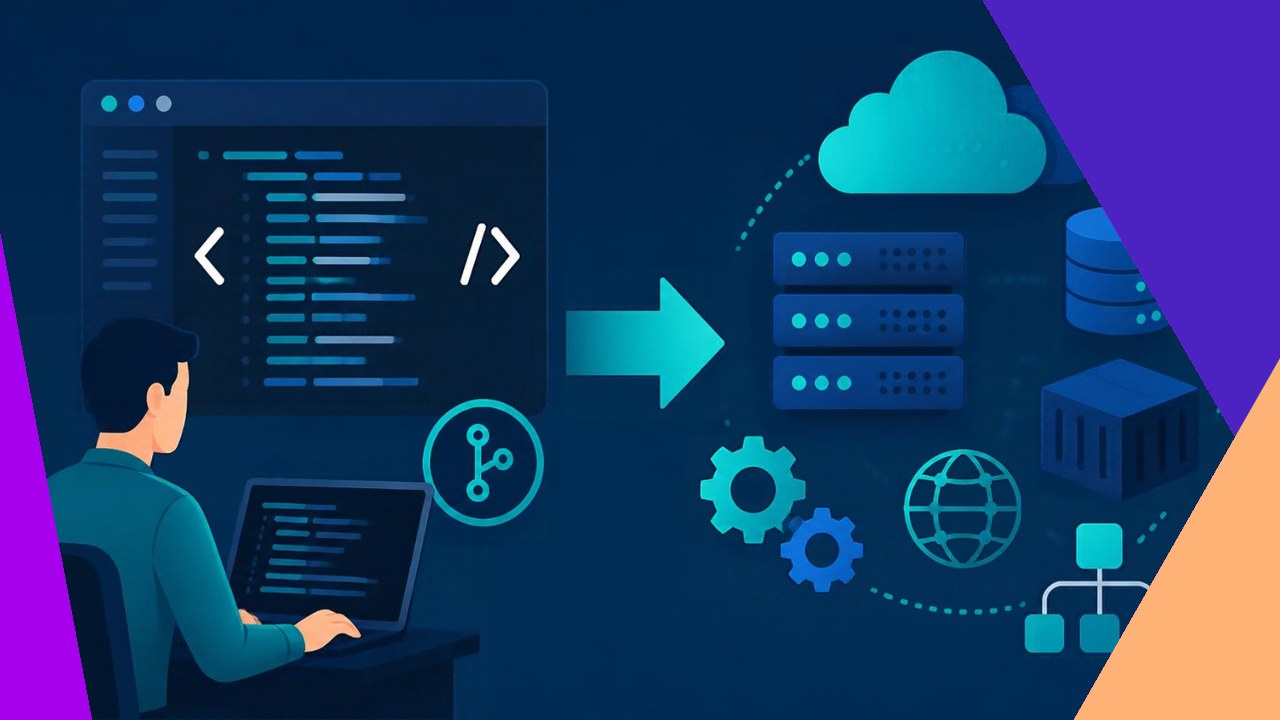
- Infrastructure-as-code manages servers, networks, and cloud resources through machine-readable files instead of manual clicks and console setup.
- It brings speed, consistency, and version control to IT work, which cuts human error and makes every environment repeatable.
- Declarative tools describe the end state you want, while imperative tools spell out each step needed to reach it.
Infrastructure-as-code (IaC) is the practice of defining and managing IT infrastructure through code rather than manual configuration. Instead of logging into a console and clicking through settings, a team writes files that describe the servers, networks, storage, and cloud services they need. A tool then reads those files and builds the environment automatically.
The idea sounds technical, but the business logic is simple. Manual setup is slow, hard to repeat, and easy to get wrong. When you capture infrastructure as code, you turn a fragile manual process into something reliable, testable, and fast. That matters most for companies running on cloud platforms, where resources change often.
What infrastructure as code actually means
Think of IaC as a blueprint for your technology environment. The blueprint lives in plain text files, usually written in formats like YAML, JSON, or a tool’s own language. These files list exactly what should exist: how many servers, which network rules, what storage, and how the pieces connect.
Because the environment is described in files, you can store those files the same way developers store application code. You can review changes, track history, and roll back mistakes. Microsoft’s engineering team notes that an IaC model “generates the same environment every time it deploys,” much like source code always produces the same result. That repeatability is the point.
IaC is not the same as outsourcing infrastructure management. It is a method your own staff or a partner can use to control resources more predictably.
How infrastructure as code works
The workflow usually follows a few clear stages. First, an engineer writes a definition file that describes the target setup. Next, that file goes into a version control system, so every edit is tracked. Then an IaC tool reads the file and provisions the real resources, often on a cloud platform.
Many teams connect this process to a pipeline. When someone updates the code, automated checks run, and the changes deploy without manual steps. AWS describes IaC as “the ability to provision and support your computing infrastructure using code instead of manual processes and settings.” The result is faster delivery and fewer surprises.
A key principle here is idempotence. Running the same file twice should produce the same environment, not a duplicate mess. Good tools check the current state, compare it to the desired state, and change only what needs changing.
Declarative versus imperative
IaC tools generally follow one of two styles, and the difference is worth understanding.
A declarative approach describes the end result. You state what you want, and the tool figures out how to get there. Red Hat explains that “a declarative approach to IaC defines the desired state of the system,” then lets the tool handle the steps. This style is popular because it is easier to maintain.
An imperative approach lists the steps instead. You write the exact commands, in order, that build the environment. It gives fine control, but the scripts grow complex and harder to reuse over time.
| Aspect | Declarative | Imperative |
|---|---|---|
| Focus | The end state you want | The steps to get there |
| Who plans the steps | The tool | You |
| Best for | Repeatable, stable environments | Fine-grained, custom control |
The main benefits
IaC earns its place because it solves real operational pain. Here are the benefits teams value most.
Speed
Spinning up a new environment can take days by hand. With IaC, the same work runs in minutes. Teams can create, copy, and destroy environments on demand, which helps testing and scaling.
Consistency
Manual setup leads to “snowflake” servers, each slightly different and impossible to reproduce. IaC removes that drift because every environment comes from the same source files.
Version control
Since infrastructure lives in code, you get a full history of changes. You can see who changed what, review it before it ships, and roll back cleanly when something breaks.
Fewer errors
Typing commands by hand invites mistakes. Automated, tested code reduces the small slips that cause outages. The environment you review is the environment you get.
Common tool categories
You do not need to memorize product names to understand the categories. Provisioning tools create and manage cloud resources from definition files. Configuration management tools install software and settings on existing machines. Many modern teams run both, plus pipeline tools that trigger deployments automatically.
Most major cloud platforms offer native IaC options, and several cross-platform tools work across providers. The right mix depends on your stack and your team’s skills.
Where it fits in modern IT
IaC sits at the heart of cloud and DevOps work. As organizations move more systems to scalable cloud environments, manual management simply cannot keep pace. Code-driven infrastructure lets small teams manage large, changing estates safely.
It also supports governance. Because changes are tracked and reviewed, security and compliance teams get a clear audit trail. For growing companies, that control turns cloud complexity into something manageable rather than risky.
Frequently asked questions
Do I need to be a developer to use infrastructure as code?
Not fully, but basic coding comfort helps. The files use structured formats that operations staff can learn quickly, and many teams pair infrastructure engineers with developers so skills cross over. Training budgets often shift toward these hybrid roles.
Is infrastructure as code only for the cloud?
No, though cloud is where it shines. IaC can manage on-premises servers and virtual machines too. The payoff grows with scale and change frequency, which is why cloud-heavy organizations adopt it first.
How is IaC different from a one-off setup script?
A script runs once and assumes a clean starting point. IaC tools track the desired state and reconcile reality to match it, so running them repeatedly stays safe. That ongoing state awareness is the main distinction.
What are the risks of adopting infrastructure as code?
The biggest risks are skill gaps and poorly secured files. A mistake in code can deploy widely and fast, so teams need peer review, secrets management, and testing. Start small, build guardrails, then expand coverage.






 Independent





