
5 inbound customer support best practices to elevate your competitiveness


What is inbound customer support?
Inbound customer support is when customers reach out to your brand for help, and a service agent answers their questions, fixes issues, or gives advice.
- Customers start the contact by phone, email, chat, or social media.
- It shapes how people feel about your brand and whether they buy again.
- Many firms offshore it to cut costs and improve service.
Inbound customer support is a direct way for your customers to reach your brand. Through it, they can ask questions, share feedback, or seek advice. So a big part of your success depends on how well you treat your customers.
The internet and new tech give customers many ways to get information. As a result, the modern era has made them more demanding. In fact, they hold high hopes for customer service. If you miss those hopes, they will switch to another brand fast.
Defining inbound customer support
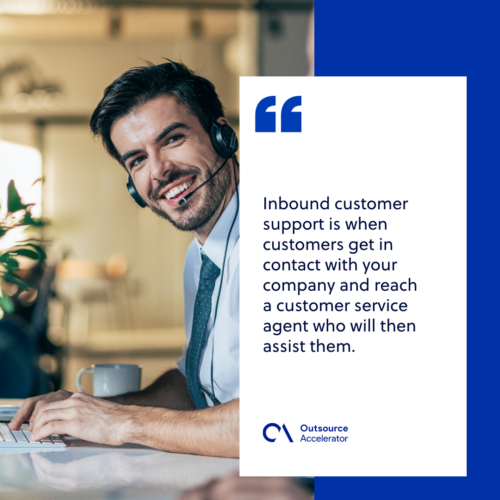
Inbound customer support is when customers contact your company and reach an agent who helps them. Traditionally, it starts with a phone call. For example, a customer may call to ask a question, report a problem, get help with an order, or upgrade a service.
Now, with the internet, customers can also ask for help by email, chat, or social media. These customers are either your current patrons or new buyers looking to purchase from you.
Offshoring inbound customer support
For years, companies worldwide have offshored this work. They do it to improve service, lift productivity, and grow revenue. In short, offshoring inbound customer support means you hand this function to a third-party provider in another country.
Of course, you want a partner you can grow with. One example of a trusted offshoring company is SixEleven. This BPO firm sits in the Philippines. It is known for giving clients and customers more than they expect.
A reliable partner like SixEleven offers quality service for long hours, up to 24 hours a day. In addition, its inbound support specialists go through strong training. As a result, they keep sharpening their skills, knowledge, and experience.
5 inbound customer support best practices
Deciding to offshore or keep agents in-house is a big choice. Either way, use the following inbound customer support best practices. They help your agents bring their A-game.
Customer experience is a must
Research by Salesforce shows that 91% of customers are more likely to buy when a brand gives them a positive experience. So your inbound support plays a big role in buying choices.
Because of this, you should build your whole support plan around customer experience. In addition, that focus should shape your KPIs. For more, see how to build a strong customer experience strategy.
Follow the right metrics
For KPIs, most call center teams track five to eight metrics. These cover their operations and customer results. You do not need to measure every part of support, though. Otherwise, data overload can bury your most vital numbers.
So pick a few key metrics instead. For example, important ones include first call resolution, Net Promoter Score (NPS), abandonment rate, and average handle time. To go deeper, review these core call center metrics and why first call resolution matters so much.
Engage your agents
Happy agents make happy customers. When your agents feel valued, they feel tied to your organization. As a result, they put more care into their roles.

Utilize other communication channels
New tech has changed how customers want to reach brands. So gone are the days when inbound support ran only on phone calls.
In other words, your agents should be ready on whatever channel your customers prefer. For example, a strong omnichannel support setup lets people switch between phone, chat, and email with ease.
Invest in automation
You should always look for better ways to run your support. So automate wherever you can. One option is to add an interactive voice response (IVR) to your systems. Another is to use chatbots, and these chatbot best practices can help you start well.
These methods cut your support queues. As a result, customers can serve themselves for simple needs.
Scale up your inbound customer support with SixEleven!
Enrich your inbound customer support with SixEleven at a reasonable cost. So partner with one of the most trusted and proven BPO providers in the Philippines.
Get in touch with SixEleven today and receive your free quote.
Frequently asked questions about inbound customer support
Here are quick answers to common questions about inbound customer support.
What is the difference between inbound and outbound customer support?
Inbound support starts when the customer reaches out to you. Outbound support starts when your team contacts the customer. For example, inbound handles questions, while outbound often covers sales or follow-up calls.
What channels does inbound customer support use?
It uses phone, email, live chat, and social media. In addition, many brands add self-service tools like chatbots and IVR. So customers can pick the channel that suits them best.
Why do companies offshore inbound customer support?
They offshore it to cut costs and extend their hours. For example, a Philippine partner can offer 24-hour cover with trained agents. As a result, firms get strong service at a lower price.
Which metrics matter most for inbound customer support?
Start with first call resolution, NPS, abandonment rate, and average handle time. These show both speed and quality. So they give a clear view of how well your support works.






 Independent






