
Understanding the impact of green procurement


What is green procurement and why does it matter?
Green procurement is a buying approach that weighs the impact of products and services on the environment and human health.
Here is why it matters:
- It cuts waste, emissions, and resource use across the supply chain.
- It supports a company’s sustainability and social goals.
- It can lower long-term costs while lifting brand trust.
Procurement in both public and private sectors is no small task. It covers a huge range of products, services, and resources. Firms source some locally and some from around the world.
However, traditional procurement can harm the environment. Research by the World Economic Forum found that public procurement alone drives 15% of greenhouse gas emissions worldwide. So the stakes are high.
Green procurement helps firms improve these practices and shrink their impact. In addition, many global bodies push it as part of social responsibility. Find out more about its impact below.
What is green procurement?
Green procurement is a smart approach to buying. In short, it weighs how products and services affect the environment and health. It applies to internal needs, such as tools and equipment. It also covers the materials used to make a firm’s products.
Green procurement takes a whole-view approach to three business areas:
- Economic
- Social
- Financial
Beyond this, it looks at the long-term impact of each purchase. For example, it weighs the full lifecycle of a product. Many firms pair this with wider sustainable outsourcing efforts too.
What to include in a green procurement policy
A clear green procurement policy is a roadmap for your sustainability goals. It builds corporate sustainability into daily choices. As a result, social and green factors shape the whole buying process.
To build a strong policy, include the parts below.
Overview
Start with a short intro. It should explain the purpose and scope of the policy. So readers know the aim from the start.
Table of contents
Give a clear outline of each section and topic. This helps readers find key details fast.
Executive summary
Sum up the main points of the policy. Present the highlights in brief. As a result, leaders and stakeholders get a quick reference.
Mission statement
State your firm’s commitment to sustainability. Also list your green procurement goals. A strong mission statement acts as a guide. In turn, it gives staff and partners a shared sense of purpose.
Procurement guidelines
Spell out clear criteria for green buying. For example, cover energy use, recycled content, and waste cuts. These rules keep every purchase in line with your goals. A clear vendor management system makes them easier to track.
Benefits of green procurement
Green procurement brings clear gains for firms and the planet. Here are the main ones.
Decreased environmental impact
Green procurement cuts resource use, waste, and emissions across the supply chain. By picking greener products, firms help protect natural resources.
Support for the green market
Buying greener goods creates demand for them. As a result, the green market grows. This also drives firms to build more sustainable products.
Enhanced brand reputation
Green procurement is a strong addition to your brand strategy. It shows real care for the environment. In addition, it proves your firm is working to lower its impact. So buyers who value sustainability take notice.
Innovation and sustainability
Green buying pushes suppliers to find better solutions. As a result, it builds a culture of innovation. This commitment can spark change across the whole industry.
Cost savings
Some think green practices cost more. In fact, they often save money over time. For example, energy-efficient gear lowers your bills. Green habits also cut waste disposal costs. So the savings add up.
Best practices for implementing green procurement
Green procurement needs a proactive plan. Here are some best practices to guide you. Some firms also lean on procurement outsourcing to speed up the shift.
Practice local sourcing
Choose local suppliers when you can. This cuts transport emissions and supports the local economy. In addition, close suppliers build stronger ties and better quality control.
Choose ethical and efficient products
Look for goods made in ethical, sustainable ways. For example, check how a supplier sources materials. Also review its production methods and lifecycle data.
Partner with eco-friendly brands
Work with suppliers who share your values. Look for trusted certifications and partnerships. As a result, you know your suppliers follow green practices.
Here are some certifications to look into, and apply for:
- B Corp certification. This goes to firms that show high standards in performance, accountability, and transparency.
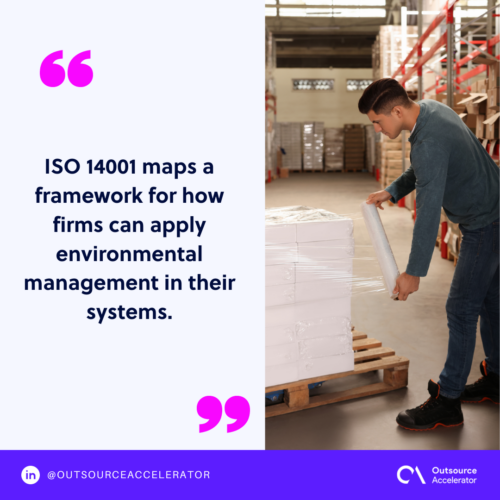
- ISO 14001. This maps a framework for environmental management.
- Leadership in Energy and Environmental Design (LEED). LEED sets common standards for green buildings worldwide.
Formulate a long-term waste management plan
Build a full waste management plan. It should put recycling and waste cuts first. Also set up clear steps to sort and dispose of waste. For example, explore waste-to-energy or circular economy methods.
The future of green procurement
Green procurement is a strong tool for change. It lowers impact, supports the green market, and saves money. By using the best practices above, firms can pave the way for a greener future.
The road ahead looks bright. More firms now see why sustainability matters. Meanwhile, advances in renewable energy and biodegradable materials will help. Better waste tech will drive adoption too. This fits well with broader ESG compliance and corporate social responsibility goals.
All in all, firms must build green practices into their buying plans. As a result, they meet buyer demand and help the planet.
Frequently asked questions about green procurement
What is the goal of green procurement?
The goal is to buy in ways that protect the environment and health. In short, firms choose greener products and suppliers. As a result, they cut waste and emissions.
Is green procurement more expensive?
Not always. Some green goods cost more upfront. However, they often save money over time. For example, energy-efficient gear lowers bills and waste costs.
What certifications support green procurement?
Look for B Corp, ISO 14001, and LEED. Each one shows a real commitment to green standards. So they help you vet suppliers with confidence.
How do I start a green procurement policy?
Start with a clear mission and scope. Next, set buying rules for energy, waste, and recycled content. Then track results and improve over time.
How does green procurement link to the supply chain?
It shapes choices at every step of the supply chain. For example, it favors local and ethical suppliers. As a result, impact drops from sourcing to delivery.






 Independent






