
Future of HR operations: What to expect

At a glance
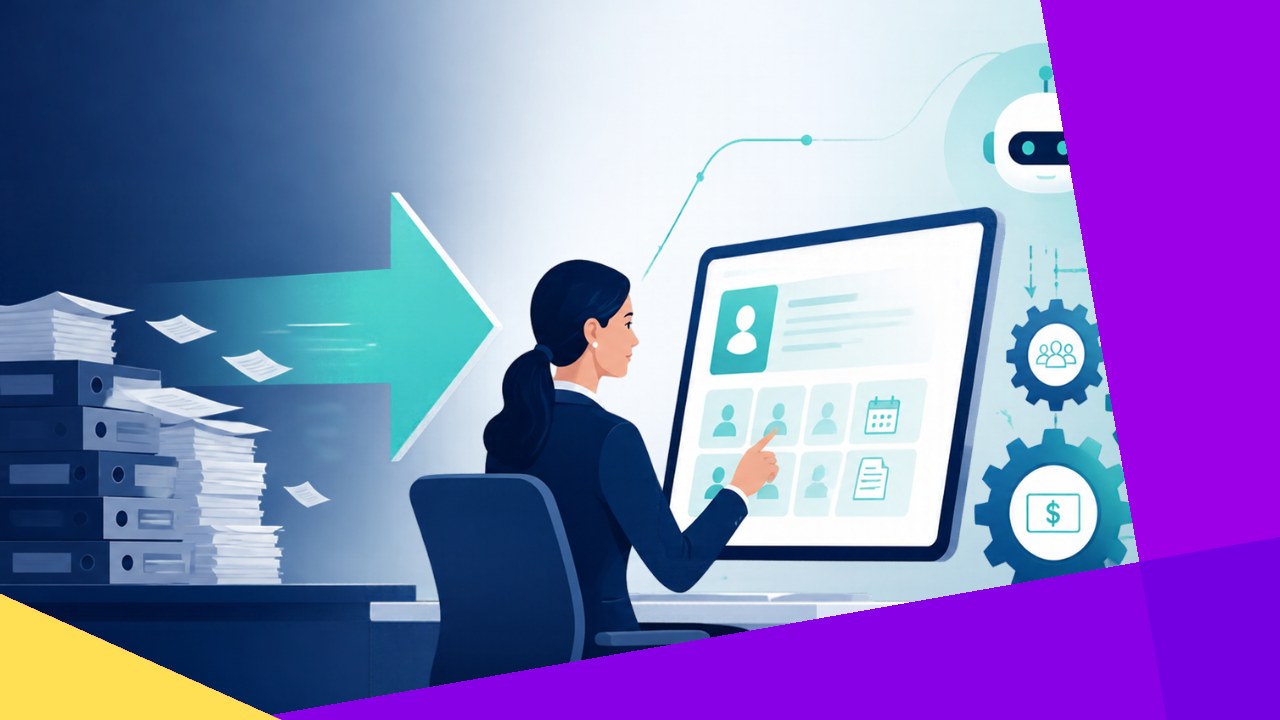
- The future of HR operations points toward more automation, more self-service, and far less manual paperwork.
- Routine admin is moving to software and shared services, freeing HR to focus on people and strategy.
- HR teams that build new digital and analytical skills now will lead the shift instead of scrambling to catch up.
HR operations is changing faster than almost any other part of the business. The future of HR operations is less about filing and processing and more about technology, self-service, and strategic support. For HR leaders, the question is no longer whether the function will change, but how fast they can get ready.
HR operations, sometimes called HR ops, is the engine room of the people function. It handles the day-to-day work: payroll, benefits, records, onboarding, and the systems that keep it all running.
Here is what to expect as that engine room is rebuilt.
Why HR operations is changing
Two pressures are pushing the change. First, work itself is more complex, with remote, hybrid, and global teams to support. Second, employees now expect the same easy digital service they get as consumers.
Engagement adds urgency. Gallup reports that global employee engagement fell to 20% in 2025, its lowest level since 2020. HR cannot lift that number while buried in paperwork, so the function has to free up time for people.
Automation takes over routine work
The clearest trend is automation. Software now handles tasks that once ate up hours, from processing leave requests to generating standard letters.
Artificial intelligence (AI) pushes this further. AI tools can answer common employee questions, screen routine requests, and flag issues early. The result is faster service and fewer manual errors. Rather than replacing HR staff, this work frees them for judgment calls that software cannot make.
Employee self-service becomes the norm
In the past, employees emailed HR for every small thing. In the future, they will serve themselves through simple portals and apps.
Self-service lets people update details, book leave, and find answers on their own, at any hour. That cuts the HR ticket pile and gives employees instant control. When routine questions handle themselves, HR can spend its time where it matters most.
Shared services and outsourcing expand
More companies are grouping routine HR work into shared service centers, where one team handles tasks across the whole organization. This approach standardizes processes and lowers cost.
Outsourcing is growing too. The U.S. Bureau of Labor Statistics projects that employment of HR specialists will grow 6 percent from 2025 to 2035, driven partly by “companies contracting HR services out.” Moving routine HR work to a dedicated outside team gives firms steady capacity without new internal hires.
HR shifts from admin to strategy
As software swallows the paperwork, the role of HR changes. Freed from processing, HR professionals can focus on culture, talent, and advising the business.
This is the biggest shift of all. The future HR operations team spends less time pushing forms and more time solving people problems that shape results. Admin becomes the baseline, not the job.
New skills take center stage
A more digital function needs more digital people. The HR professionals who thrive will pair people skills with comfort in data and technology.
That means learning to work alongside HR software, read basic metrics, and improve processes. Teams do not need to become engineers, but they do need to be curious and confident with new tools. Building these skills now is the surest way to stay ahead.
The payoff of modern HR operations
These changes are not just about speed. A modern HR operation delivers faster answers, fewer errors, and a smoother experience for every employee.
It also saves money. Automation and self-service cut the cost of routine work, while shared services and outsourcing spread that cost further. Those savings can then fund the strategic work that sets a company apart.
How to prepare for the shift
The future rewards teams that start early. A few practical steps make the transition smoother.
Audit your current processes
List the tasks that eat the most time, then target those for automation or self-service first. The biggest time drains usually offer the fastest wins.
Invest in skills
Give your team time to learn new tools and basic data skills. Confident people adopt new systems far faster than reluctant ones.
Start small and scale
Pilot one change, prove it works, then expand. Steady, visible progress builds trust and keeps the shift manageable.
Frequently asked questions
Will automation replace HR jobs?
Automation is reshaping HR roles rather than erasing them. It removes repetitive tasks, which shifts HR work toward advising, problem-solving, and strategy, so the people who adapt tend to find their roles more valuable, not less.
What is the difference between HR operations and HR strategy?
HR operations handles the day-to-day mechanics such as payroll, records, and benefits, while HR strategy sets the long-term direction for talent and culture. The future blurs the line, because better operations give HR the time and data to act more strategically.
Is HR shared services only for large companies?
No. While big employers pioneered shared services, cloud tools now make the model practical for midsize firms too. Smaller companies often reach the same goal by outsourcing routine HR work rather than building an internal center.
How should a small HR team start modernizing?
Begin with one high-volume pain point, such as leave requests or onboarding, and automate it. A single successful project builds confidence and frees time, which makes the next improvement easier to tackle.






 Independent






