
A quick guide to Form 8109

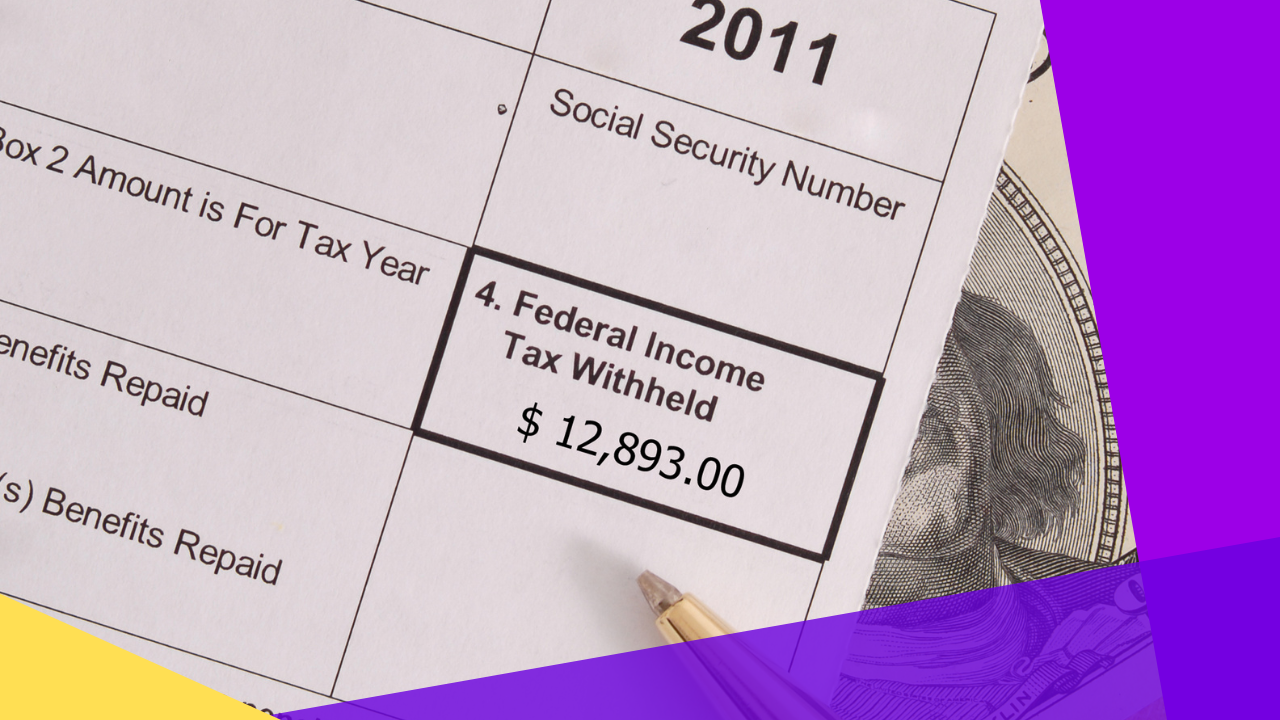
Form 8109 was once a key tool for businesses that withhold taxes. Withholding taxes is a big duty for any firm. Because people file so many taxes, the IRS needed a way to track them all.
The document built for this job was Form 8109. However, it is now defunct. It was only used until the end of 2010. Read on to learn more about Form 8109, its alternatives, and what taxpayers had to do.
What is Form 8109?
Form 8109 was an IRS federal tax deposit coupon that businesses used to record and pay their taxes before 2011.
- It tracked corporate, payroll, Social Security, and Medicare taxes.
- Firms wrote the amount paid on the coupon and sent it with physical tax forms.
- The IRS retired it on January 1, 2011, in favor of electronic payments.
Form 8109 explained
Form 8109 was also known as a federal tax deposit coupon from the IRS. It helped track and pay corporate taxes, payroll taxes, Social Security taxes, and Medicare taxes. So the amount paid was simply written on Form 8109. Then it was sent with physical federal tax documents. Think of the form as a bridge between the taxpayer and the IRS. As a result, payments were processed in an orderly and timely way. Today, clean bookkeeping for small businesses plays much the same role.

What is the purpose of Form 8109?
The purpose of Form 8109 was to help taxpayers pay the right amount on time. Doing so kept penalties and interest charges from piling up. In short, it was a simple, orderly process. It tracked the tax duties of both businesses and individuals. As a result, it helped prevent late payments.
Quarterly or annual income taxes could be filed with Form 8109. The coupon stood for all tax payments made during the year. So it lowered the total business tax due. The form had to be done before January 1st of the tax filing year.
Business taxes could also use other forms, including:
- Form 941
- Form 940
- Form 944
- Form 1120
For payroll-heavy filings, review Form 943 as well.
Who must file Form 8109?
Businesses with federal tax liabilities had to file Form 8109. This covered small and large firms alike. It also reached self-employed people who met certain income thresholds. So both employees and employers were meant to file it. Employers had to withhold and deposit payroll taxes.
To make an electronic deposit, you must use the Electronic Federal Tax Payment System (EFTPS). Form 8109 could be found on the IRS website or at a local tax office. However, as of January 1, 2011, Form 8109 is no longer in use. Many firms also track worker forms like Form W-2 at the same time.
Form 8109 required information
When filing Form 8109, you had to send the IRS certain details. These included the following:
- Business name and contact information
- Employee Identification Number
- Account and bank routing numbers of your business bank account
- Personal identification number once you enrolled in the Electronic Federal Tax Payment System (EFTPS)
- Amount of money you are withholding for payroll taxes, corporate taxes, and other tax obligations
At the top of the coupon, write the tax year month in a two-digit format. This shows when the funds are deposited. Then input the Employee Identification Number in the right space. On the right side, pick the type of tax and the tax period. The period runs from the 1st Quarter to the 4th Quarter. Finally, write the total deposit in the boxes provided.
Alternatives to Form 8109
Form 8109 has been retired since January 1st, 2011. Still, you must remit your tax requirements to the IRS. You can do this electronically or through the methods below.
- Electronic Federal Tax Payment System – The EFTPS is the main option the IRS recommends for tax deposits. So you can enroll online for free and submit payments.
- Voice response system – If you cannot access the EFTPS, you can call them by phone at 1-800-555-3453.
- Financial institutions – Your bank may use an ACH credit to make federal tax deposits for you. It may also send same-day wire transfers. There may be a fee, so check with your bank first.
- Third-party services – Payroll providers, accountants, or tax pros can track federal tax deposits for you. However, they charge a fee for this help.
- Form 941 – Form 941 is used to file quarterly tax returns. So you can use it for income tax, Social Security tax, and Medicare tax withholdings. It covers both the employee and the employer.
To keep filings smooth, many teams follow simple payroll best practices year-round.

Ensuring compliance with Form 8109
Form 8109 is no longer in use. Still, our duty as taxpayers does not go away. There are many ways to file taxes today. So it is important to stay compliant with these laws and rules.
Late payments bring penalties and high interest charges. To avoid them, do your part and file on time. For some firms, payroll outsourcing makes this task much easier.
Frequently asked questions about Form 8109
Is Form 8109 still used today?
No. The IRS retired Form 8109 on January 1, 2011. Since then, businesses use electronic methods like the EFTPS instead.
What replaced Form 8109?
The EFTPS replaced it as the main way to make federal tax deposits. Banks and third-party services can also help. Firms still file forms like Form 941 for returns.
What taxes did Form 8109 cover?
It covered corporate, payroll, Social Security, and Medicare taxes. So it worked as a single coupon for many federal tax deposits.
How do I make federal tax deposits now?
Use the EFTPS to enroll and pay online for free. You can also pay through your bank or a tax professional. Each option has its own steps and possible fees.
What happens if I miss a tax deposit?
You can face penalties and high interest charges. As a result, late filings cost more over time. So it is best to file every payment on time.
Key takeaways
- Form 8109 was an IRS tax deposit coupon retired on January 1, 2011.
- It tracked corporate, payroll, Social Security, and Medicare taxes.
- The EFTPS is now the main way to make federal tax deposits.
- Taxpayers must still file on time to avoid penalties and interest.






 Independent





