
Boosting employee retention through a positive work environment


How does a positive work environment improve employee retention?
A positive work environment lifts employee retention by making staff feel safe, valued, and supported, so they choose to stay and do their best work.
- Comfort, safety, and open communication keep morale and loyalty high.
- Growth paths and fair rewards give people a reason to stay.
- Outsourcing routine tasks frees your team for more meaningful work.
Employee retention is hard for many companies. Staff now know what they want, and they will leave firms that cannot meet those needs. This is even more true for skilled people who have many job options.
The Flex Report notes that 30% of companies use a structured hybrid approach, while 42% of offices require full-time onsite. So a full return to office looks unlikely.
Because of this, employers must learn to shape their work environments. They can also improve conditions through third-party providers. For example, Emapta is an outsourcing firm that offers offshore staff, services, and dedicated private offices. As a result, your offshore team gets housed in professional spaces.
Importance of employee retention and morale
Employee morale means the overall satisfaction, well-being, and drive of your staff. High morale usually leads to high employee retention, which is a firm’s ability to keep talent over time. In addition, both factors are linked, and both shape how well an organization performs.

Here are key reasons why employee retention and morale matter for businesses.
- Productivity and performance : Staff who feel valued tend to deliver better work. They also help push company goals forward.
- Cost-savings : Turnover can be costly. So a focus on retention and morale cuts those costs and frees up resources.
- Knowledge and skill retention : Skilled staff are assets. Keeping them also builds a culture of ideas and creativity.
- Organizational culture and engagement : Engaged staff invest more in their work. As a result, they are more likely to stay committed.
- Reputational and employer branding : Firms with a good culture and strong retention rates enjoy a better image in the job market.
High turnover carries real costs too. To see the scale, review the latest employee turnover statistics before you plan.
Role of work environments in employee retention
A positive work environment is key to strong employee retention. When staff feel valued, backed, and content, they are more likely to stay loyal. The physical office plays a big part in this. For example, the following elements shape well-being and output.
- Office layout and design
- Temperature
- Color
- Noise
- Plants
Improving these factors can reshape your workplace. As a result, it can also lift employee retention.
Beyond the office, employers must now weigh remote setups too. A study on federal workforces found that agencies with more teleworkers had less voluntary turnover.
The work environment often appears on the list of reasons people quit. Other major factors include the following.
- Job stress and satisfaction
- Job security
- Motivation
- Wages
- Rewards
So strategies that meet these needs tend to produce better retention and morale. Many firms also study common employee retention problems so they can fix them early.
Strategies for improving working conditions
Here are several strategies to improve work conditions and lift employee retention.
Foster open communication
First, encourage open and honest communication across the company. So give staff clear ways to share feedback, ideas, and concerns. This goes both ways. So listen well and act on what you hear.
Enhance physical comfort
A clean, well-kept, and comfy workspace supports retention. So provide ergonomic furniture to reduce strain. Also keep the temperature, lighting, and airflow at good levels.
Establish workplace safety
Beyond comfort, your workplace must be safe. So make safety a priority and give staff the right training and tools. Encourage them to report any risks or incidents. Hiring an EHS specialist’s services shows your team you take their safety seriously.
Promote work-life balance
A better office helps, but you must also check what staff truly need. With remote work now common, offer flexible setups where you can. In addition, urge staff to take regular breaks and holidays. A healthy balance benefits everyone.
Provide growth and development opportunities
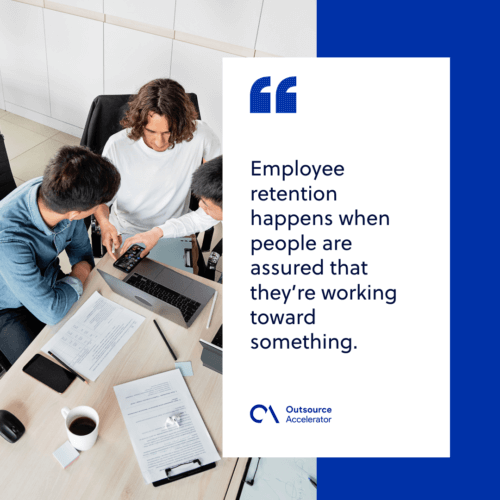
Employee retention grows when people feel they work toward something. So offer chances for training, upskilling, and career growth. In addition, support each person’s personal and professional path.
Recognize and reward employee contributions
Your staff are the backbone of your operations. So make them feel valued by noticing their work. For example, a simple rewards program can mark their efforts and wins. Fresh employee recognition ideas work well for remote teams too.
Provide workforce diversity and inclusion
Diverse teams are strong teams. Employee retention rises when people from all backgrounds feel safe and respected. So build a welcoming space that offers equal chances. Also embrace diversity in hiring and run inclusion training to raise awareness.
Lead by example
Your staff will look to you for direction. A boss who breaks their own rules often drives morale down. Instead, model leadership behaviors that reflect a positive work environment. Simple steps to build team morale can support this daily.
How outsourcing aids employee retention
Outsourcing can support employee retention in several ways.
- It eases the load on your onsite staff. So they can focus on more meaningful, strategic work.
- It gives you access to special skills. As a result, your team gains confidence in the quality of the work.
- It sparks collaboration and learning, since outside providers bring fresh views. This cross-pollination builds a more dynamic environment.
- It opens new career paths that internal staff can take.
- Finally, it improves work-life balance by moving tedious tasks offshore. This cuts time demands and lifts job satisfaction.
The right tools help too. For instance, the best employee engagement tools keep both onsite and offshore staff connected.
We recommend Emapta as a trusted outsourcing partner. Along with its services, the firm provides fully equipped office spaces that are comfortable and high-tech. Get in touch with Emapta to learn more about its services.
Frequently asked questions about employee retention
What is a good employee retention rate?
A healthy retention rate often sits around 90% or higher. Still, the right number varies by industry. So compare your rate against peers in your field, not a single benchmark.
How does a positive work environment reduce turnover?
A positive work environment meets both comfort and emotional needs. Staff feel safe, valued, and heard. As a result, they have fewer reasons to look elsewhere.
Can outsourcing really help retention?
Yes, it can. Outsourcing removes routine tasks from your core team. So your staff focus on work that matters more. This lifts satisfaction and helps people stay.
What are the biggest drivers of employee retention?
Fair pay, growth paths, and good leadership top the list. Safety, flexibility, and recognition matter too. Because of this, a mix of these factors works best.
How often should employers measure retention and morale?
Check morale often through short pulse surveys, perhaps each quarter. Track retention rates at least once a year. So you can spot problems early and act fast.






 Independent





