
Defining customer-centricity and how to achieve it in business


What is customer-centricity?
Customer-centricity is a way of doing business that puts the customer’s needs first in every decision you make.
- It shapes how you build products, sell, and serve people.
- As a result, it tends to be more profitable than a product-first approach.
- In addition, it builds loyalty, retention, and steady growth.
Many companies have rethought their marketing to fit changing times. One big shift is a focus on customer-centricity. However, the term means different things to different people. For some, it is all the things you do so customers get what they need, when they need it, with ease. For marketing experts, meanwhile, it means keeping a clear promise with set goals. Others see it as how you run the business and sell your products. Still, common wisdom is simple. In short, customer-centricity means putting customers first in all you do.
Customer-centricity vs. product-centricity
Product-centricity focuses on product design and quality first. So it pays less mind to what customers actually need. Customer-centricity flips that order. Instead, it builds the product with customer needs in mind from the start. In fact, many customer-centric businesses are more profitable. For example, Amazon and Zappos have used this approach for years. In fact, research conducted by Deloitte and Touche has linked customer-centric companies to stronger profits than their peers.

6 steps to becoming a customer-centric business
You cannot adopt a customer-centric approach overnight. Like any strategy, it takes time to embed. So here are six clear steps to get there.
Establish a customer-centric culture
Customer-centricity is a culture as much as a strategy. So first, get buy-in from your stakeholders and staff. After all, you plan to change how the whole business runs. In short, you must shape core values that put customers first. So every team member should listen to customer concerns. In addition, they should aim to deliver a great experience. A true customer-centric culture grows from these daily habits.
Improve your data management
Next, bring your key information together. So your staff can understand customers at every touchpoint. However, the data must be accurate and consistent to be useful. For example, you can use AI to analyze data and turn it into clear insight. As a result, your team serves people better and meets your goals.

Get customer feedback
Take time to listen to customer feedback. Then decide which ideas you can realistically act on. After all, a customer is not always right. However, if many share the same view, it is worth a look. In addition, watch their behavior for clues about how they feel. Not everyone speaks up, so actions matter too. Simple customer feedback tools make this far easier to track.
Reward your employees
Reward your staff for their effort, just as you treat customers. So set up a system that recognizes great service. In addition, build trust and a good relationship with them. As a result, they grow into a more customer-centric team.
Focus on customer retention and build loyalty
It is harder to win new customers than to keep current ones. So value every customer at each step of their journey. For example, resolve concerns fast and follow up when needed. After all, a loyal customer is worth more over time. So find ways to bring them back again and again. Clear customer retention habits make this far simpler. In turn, strong customer loyalty follows.
Set customer-centric KPIs
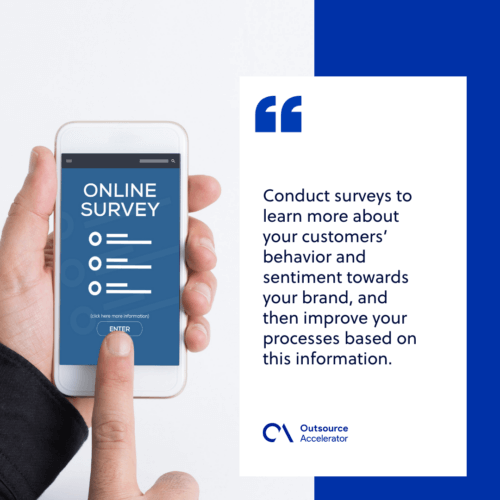
Finally, pick KPIs to measure your success. For example, use customer satisfaction (CSAT) metrics to gauge how people feel. In addition, run surveys to learn about their behavior and views. Then improve your processes based on what you find. You can also track wallet share to see revenue per customer. In addition, measure customer churn to see how many you keep, gain, and lose.
Challenges to becoming customer-centric
Like any strategy, customer-centricity has its share of hurdles. So weigh these challenges before you start.
Building and getting support for the culture
You need buy-in from everyone, especially your investors. However, you cannot do this overnight. After all, you bring in a new system and new habits. So you must instill customer-centricity as a core value. In addition, your team must commit to it in action. In short, you need everyone’s support to succeed.
Moving away from a product-centric approach
Studies show a product-first process is often less profitable. However, the switch can still be hard. For example, it calls for moving funds, hours of training, and culture change. So plan the transition with care.
Data consolidation
You also need to organize existing data to support the shift. However, gathering and unifying data can be slow and complex. Still, the payoff is worth it. As a result, you gain a clear base for better decisions.
The importance of being a customer-centric business
Customer-centricity is a strong business view. After all, it can lead to faster growth. So it is worth the effort to build. A smart customer experience strategy helps you put it into practice. In addition, the right outsourcing partner can embody this value in your outsourced functions. As a result, you can switch to a more profitable, efficient process with ease. So check out our outsourcing directory or get your three free quotes today.
Customer-centricity FAQ
What does it mean to be customer-centric?
Being customer-centric means you put customer needs first. So you build products, sell, and serve with them in mind. In short, every decision starts from the customer’s point of view. As a result, you earn more trust and loyalty.
How is customer-centricity different from product-centricity?
Product-centricity starts with the product and its features. In contrast, customer-centricity starts with customer needs. So the order of priorities flips. In turn, the customer-centric path tends to be more profitable.
How long does it take to become customer-centric?
There is no overnight fix. After all, it is a culture shift as much as a strategy. So it can take months of training and change. Still, steady effort brings clear, lasting results.
What KPIs measure customer-centricity?
Several metrics help you track progress. For example, use CSAT scores and customer churn rates. In addition, watch wallet share and retention over time. So you can see if your efforts truly land. Strong customer satisfaction is a key sign of success.
Why is customer-centricity important for growth?
Loyal customers spend more and stay longer. So a customer-first focus lifts retention and revenue. In addition, happy customers refer others. As a result, the business grows faster over time.






 Independent






