
A practical guide to cost savings in accounting

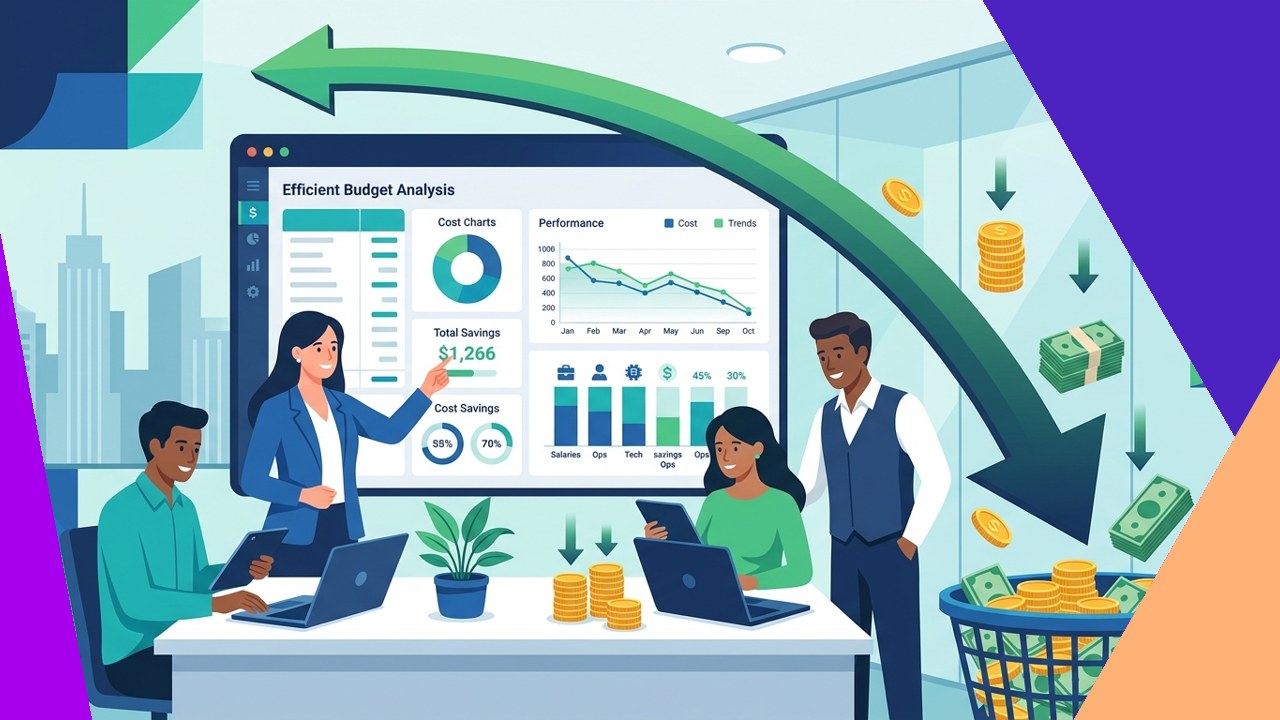
- Real cost savings in accounting come from cutting rework, automating high-volume tasks, and right-sizing the team.
- Outsourcing, cloud tools, and standard processes lower spend without weakening controls or compliance.
- Start with the levers that combine low effort and high impact, then measure the savings each one delivers.
Finance leaders feel constant pressure to spend less. Yet cost savings in accounting rarely come from one big cut. They come from many small, deliberate changes across people, process, and tools. This guide shows where the money goes, and how to trim it while protecting quality and compliance.
The goal is not a cheaper books-close at any price. Instead, you want lower cost per transaction, fewer errors, and faster reporting. Each lever below does one of those three things. Some are quick wins. Others take planning. We flag the trade-offs so you can sequence the work.
Where accounting costs actually come from
Most accounting spend hides in labor and rework. Skilled staff handle routine entry, chase approvals, and fix mistakes made upstream. That work is slow and expensive. When a number is wrong, someone finds it late and reopens the period.
Compliance adds cost too, but you cannot skip it. So the aim is to run controls efficiently, not to remove them. Because errors drive audits and penalties, cutting them saves money twice. First you avoid the fix. Then you avoid the fallout.
Outsource and offshore the right tasks
Outsourcing moves repeatable work to a specialist team, often offshore. Transactional tasks fit this model well. Think bookkeeping, payroll runs, accounts payable, and month-end support. You keep strategy, review, and sign-off in-house.
Cost is still a leading reason firms outsource. According to Deloitte, “Cost reduction is the top challenge cited, with 83% of organizations surveyed citing cost-cutting as a primary motive to outsource,” in its guidance on how to elevate tax and finance with outsourcing. Talent access matters as well, because the accountant pipeline is tight.
The trade-off is coordination. You must define scope, set service levels, and protect data. For a breakdown of what to hand over, see this guide to types of outsourced finance and accounting services. Start with one process, prove the savings, then expand.
Automate high-volume work
Automation cuts cost where volume is high and rules are clear. Accounts payable and accounts receivable are prime targets. Software can capture invoices, match them to orders, and route approvals. Staff then review exceptions instead of every line.
Reconciliations gain the most. Manual reconciliation eats preparation time and hides errors until year end. Deloitte notes that automation “can generate value through: standardisation of the reconciliation process across geographies, enhanced visibility… reduced processing time, centralised repository for all reconciliations,” in its overview of reconciliation automation. As a result, teams close faster and catch issues sooner.
Where to apply automation first
Pick tasks that are frequent, rules-based, and low-judgment. Invoice capture, three-way matching, and bank reconciliations qualify. Avoid automating messy, exception-heavy work first. Clean the process, then automate it. Otherwise you just speed up the errors.
Standardize processes and move to the cloud
Every extra variation adds cost. When each entity closes its own way, training and review both balloon. Standard charts of accounts, templates, and close checklists fix this. Then one trained person can support many units.
Cloud accounting tools support standard work well. They centralize data, cut manual file sharing, and reduce server upkeep. Updates and backups happen automatically. Because everyone works in one system, month-end reporting speeds up and audit trails stay clean.
Right-size the team and cut rework
After you automate and standardize, review the team shape. Some senior staff spend hours on data entry. Move that work to junior roles, tools, or an offshore partner. Then redeploy expensive experts to analysis and controls.
Rework is the quiet budget killer. Fix errors at the source with clear input rules and validation. For example, block payments without a matching purchase order. In short, prevention costs far less than correction. Fewer mistakes also mean smoother audits and lower risk.
Compare the cost-saving levers
Not every lever fits every team. Use the table below to sequence your plan. It weighs effort against impact and flags the main risk. Start top-left, with quick wins, then work toward bigger projects.
| Cost-saving lever | Effort | Cost impact | Main trade-off |
|---|---|---|---|
| Standardize processes and templates | Low | Medium | Needs discipline to enforce |
| Automate AP, AR, and reconciliations | Medium | High | Upfront setup and clean data |
| Move to cloud accounting tools | Medium | Medium | Migration and training time |
| Outsource or offshore routine tasks | Medium | High | Coordination and data security |
| Cut errors and rework at the source | Low | Medium | Requires input controls |
Keep quality and compliance intact
Cost cuts must never weaken controls. Keep approval limits, segregation of duties, and audit trails in place. When you outsource, write these rules into the contract. When you automate, log every step so reviewers can trace it.
New tools also bring AI into the mix. Deloitte reports that “83% are leveraging AI as part of their outsourced services,” in its global outsourcing survey. AI can flag anomalies and speed review. However, a human must still own the sign-off. For a fuller buyer view, see this guide to outsourced accounting, bookkeeping, and payroll services.
Frequently asked questions
How much can outsourcing accounting really save?
Savings vary by scope and region, so treat any single figure with care. Many firms cut labor cost on routine tasks by moving them offshore. The bigger win often comes from freeing senior staff for higher-value work. Measure cost per transaction before and after to see the real gain.
Does automation replace accountants?
No. Automation removes repetitive tasks, not judgment. Accountants still interpret results, manage controls, and advise the business. In practice, the role shifts from data entry to review and analysis. That shift is where much of the value sits.
Will cost cutting create compliance risk?
It can, if you remove controls to save money. So keep segregation of duties and approvals in every workflow. Automate the controls instead of skipping them. Done well, tighter processes actually lower audit and error risk.
Where should a small finance team start?
Start with standard templates and clean input rules. These cost little and cut rework fast. Next, automate one high-volume task, such as bank reconciliations. Then consider outsourcing routine work once your process is stable.
Key takeaways
- Cost savings in accounting come from many small levers, not one large cut.
- Automate high-volume tasks like AP, AR, and reconciliations to lower cost per transaction.
- Standardize processes, use cloud tools, and outsource routine work to trim labor spend.
- Protect controls and compliance at every step, because prevented errors save money twice.






 Independent





