
Uncovering the consumer mindset


What is the consumer mindset, and why does it matter?
The consumer mindset is the set of attitudes, beliefs, and feelings that shape how a person decides to buy.
- It shows why customers pick one brand over another.
- It shifts fast, because people now read a lot of information online.
- It helps businesses match their products to what buyers really want.
The consumer mindset refers to the attitudes, beliefs, and perceptions that guide a buyer’s choices. As a result, it is one of the most useful things a brand can study.
Consumer attitudes keep changing. This is true because people now consume large amounts of information online. In fact, 92% of customers who started shopping online have made it a firm habit.
Because of this trend, brands must keep learning how buyers behave. So this article looks at the consumer mindset in detail. It also shows simple ways to adapt to it.
What is consumer mindset?
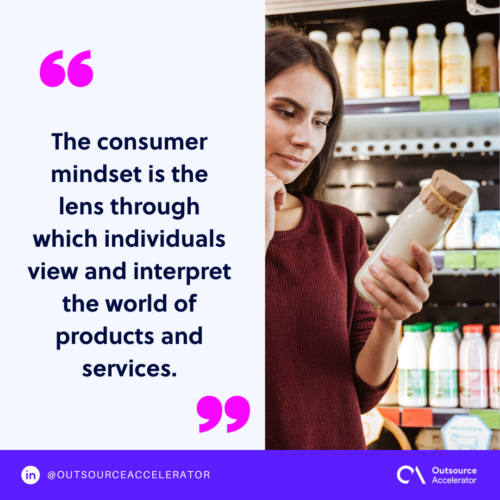
At its core, the consumer mindset is the lens people use to view products and services. In short, it holds their likes, wants, and hopes when they deal with brands.
When you understand the consumer mindset, you can match your offers to your audience. As a result, brand loyalty tends to grow.
Importance of understanding consumer mindsets
Knowing consumer mindsets helps you build a strong customer base. It also lifts their lifetime value. Here are three clear benefits.
- Reinforcing positive beliefs. A consumer mindset helps firms back up good views about their products and services.
- Building credibility. When companies think like their buyers, they earn trust. In turn, this builds their credibility.
- Creating optimal experiences. A clear read of the mindset lets brands build better, more personal experiences.
Factors that affect consumer mindset
Many factors shape a buyer’s attitudes, habits, and choices. So let’s look at the key ones below.
Perception
Perception is how people read and make sense of what they see. For example, product quality, brand name, and reviews all sway how buyers judge an offer. As a result, these signals guide their choices.
Motivation
Motivation is the force behind buying. Basically, it explains why a person picks one brand or makes a purchase.
Maslow’s hierarchy of needs is a common tool for this. Marketers may also study why customers say ‘no’ or lose the urge to buy. Because of this, brands can offer the right nudge at the right time.
Social factors
Social factors weigh heavily on the consumer mindset. These include cultural norms, social pressure, and tips from peers.
People often follow friends, family, and trends when they buy. For this reason, word-of-mouth and influencer marketing both work well. So brands can use social proof to shift the mindset in their favor.
Environmental factors
The setting also shapes the consumer mindset. This covers the physical space and the moment of the choice. For example, buyers like stores, online or offline, that feel neat and easy to use. As a result, a smooth space keeps them engaged.
Economic factors
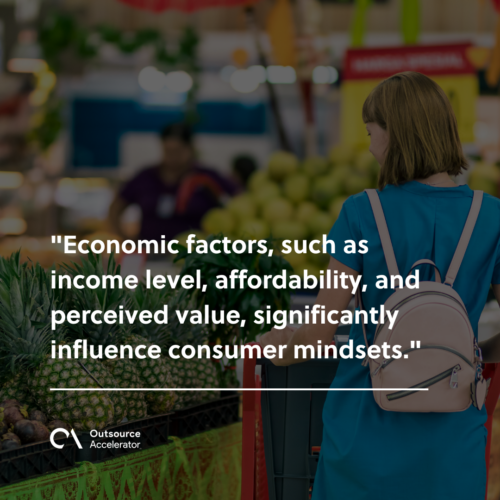
Economic factors such as income, price, and value have a big effect on the mindset. Naturally, buyers tend to skip items that stretch their budget. Still, some save those items for a better time.
Because of this, smart stores price fairly and offer flexible payment plans. In turn, they reach more customer groups.
Modern trends that shape consumer mindsets
Consumer mindsets are not fixed. Instead, they grow and shift with society. So brands must watch the trends that move them. Here are three current ones.
Consciousness of health and wellness
People care much more about health and wellness today. Meanwhile, this shift shows up in what they buy. They want products and services that support body and mind.
Brands that meet this need can reach a growing market. For example, they can show how each product adds to well-being.
Contribution to the community
Buyers are more socially aware than before. As a result, they lean toward brands that live their social values and help the community.
So when a brand ties its values to real causes, it connects with these buyers. In turn, those buyers reward firms that make a difference.
Hassle-free experience
Buyers want speed and ease, above all when they shop online. Therefore, they look for a smooth journey from start to finish. Firms that focus on seamless online shopping experiences gain an edge with this mindset.
Adapting to the consumer’s mindset
To win in a crowded market, you must understand the consumer mindset. So study buyer attitudes, motives, and views. Then shape your marketing around them.
When you adapt to this shifting mindset, you build lasting bonds. As a result, you drive more sales and stay ahead of rivals. Here are simple steps to start.
- Do solid market research to learn your audience’s likes, needs, and pain points.
- Split your audience into groups. Then send each group a message that fits their mindset.
- Track new trends. Next, adjust your offers to meet changing hopes.
- Watch buyer feedback and data often, and refine your plan as you go.
Finally, put in the time to truly know your audience. Do this well, and your brand can climb to new heights.
Consumer mindset: FAQs
What does consumer mindset mean?
It is the mix of attitudes, beliefs, and feelings that guide how a person buys. In short, it shapes every choice a customer makes.
Why is the consumer mindset important for businesses?
It helps brands match offers to real needs. As a result, trust, loyalty, and repeat sales all tend to rise.
What factors shape the consumer mindset?
Perception, motivation, social pressure, the setting, and money all play a part. Together, they steer what people choose to buy.
How can a brand adapt to the consumer mindset?
Start with research and clear audience groups. Then tailor each message and update it as trends change.
Key takeaways
- The consumer mindset is the set of beliefs and feelings behind every purchase.
- It shifts with health trends, social values, and the wish for easy shopping.
- Perception, motivation, social ties, setting, and price all shape it.
- Brands that study and adapt to it earn more trust and loyalty.






 Independent





